
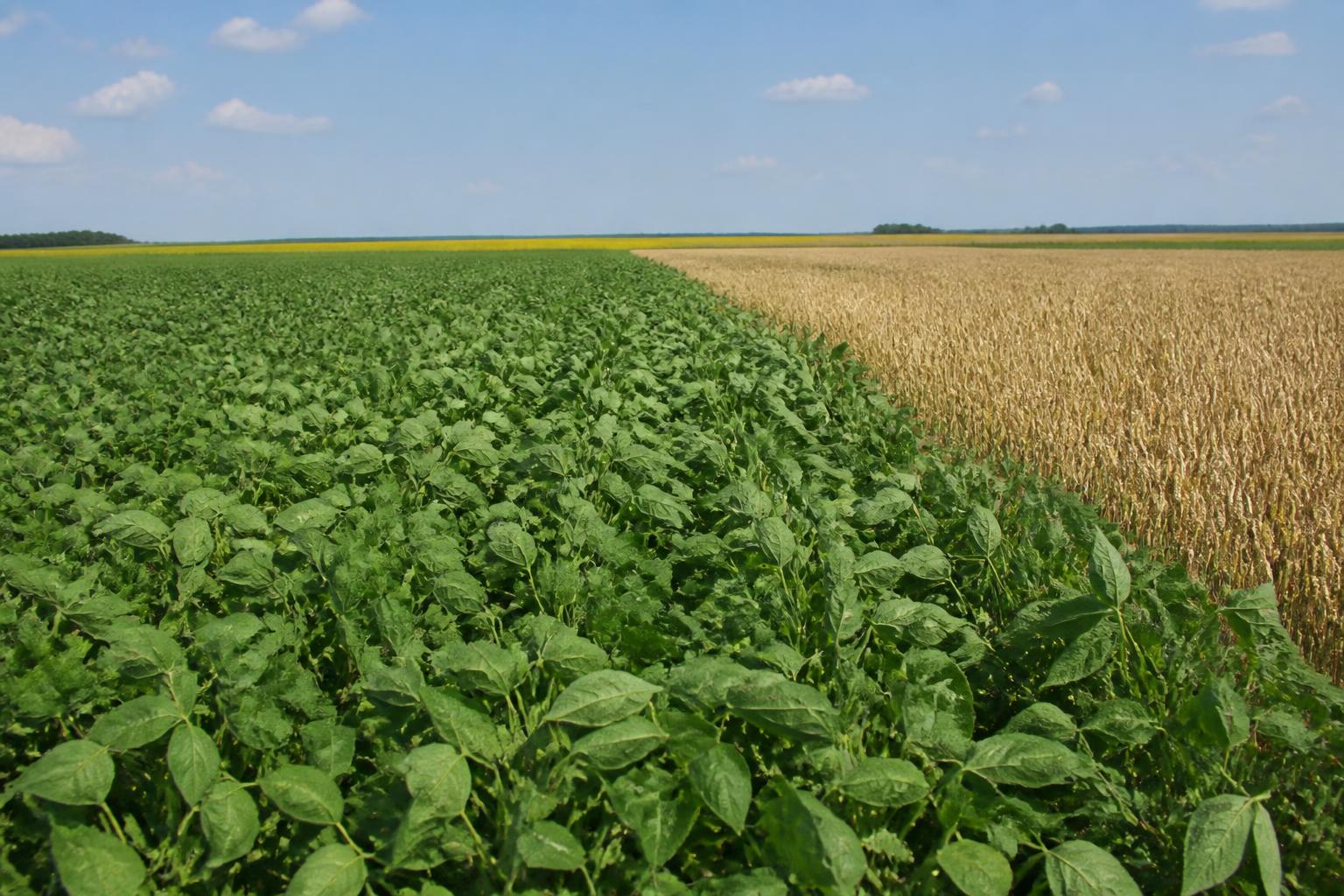
Oklahoma's agricultural landscape is currently undergoing a period of transition as producers monitor shifting market signals and global grain supply pressures. While the state's traditional staples remain foundational, recent trends indicate a calculated movement toward diversifying crop rotations, particularly with an uptick in soybean interest and the re-emergence of winter canola as a viable rotational component in some regions.
For those managing input costs and storage, the current environment demands close attention to both localized production updates and broader commodity trends. As summer progresses, growers are evaluating how these planting decisions interact with regional logistical capacity and the evolving needs of grain handlers throughout the state.
Evaluating Crop Diversification and New Varieties
Diversification is increasingly appearing as a strategy for mitigating risk in the face of persistent price volatility. Observers note that the decision-making process for the coming seasons is heavily influenced by how these crops fit into the long-term sustainability of Oklahoma's soil and water resources. Furthermore, the introduction of new, higher-yielding grain varieties, such as recently developed wheat types featuring larger kernel sizes, provides a potential lever for producers looking to optimize output despite market headwinds.
Logistics and Market Resilience
The state’s grain storage and distribution network remains a critical point of focus, especially as farmers consider how to best position their product to capture value during fluctuating market windows. With shifts in acreage and trade dynamics, maintaining flexibility in where and when to move grain is becoming a standard practice for elevators and producers alike. Staying informed on regional bottlenecks or storage availability is essential for optimizing delivery schedules throughout the summer months.
What it means for the market
For Oklahoma farmers and agribusinesses, the takeaway is clear: efficiency and adaptability are paramount. As supply chains adjust to changing crop concentrations, proactive planning regarding storage and marketing strategies will likely be the difference in navigating this season's volatility. Maintaining open lines of communication with local elevators and keeping a close watch on university-led agricultural research will remain vital for securing a competitive edge in the coming months.
Comments
No comments yet - be the first to share your take.