
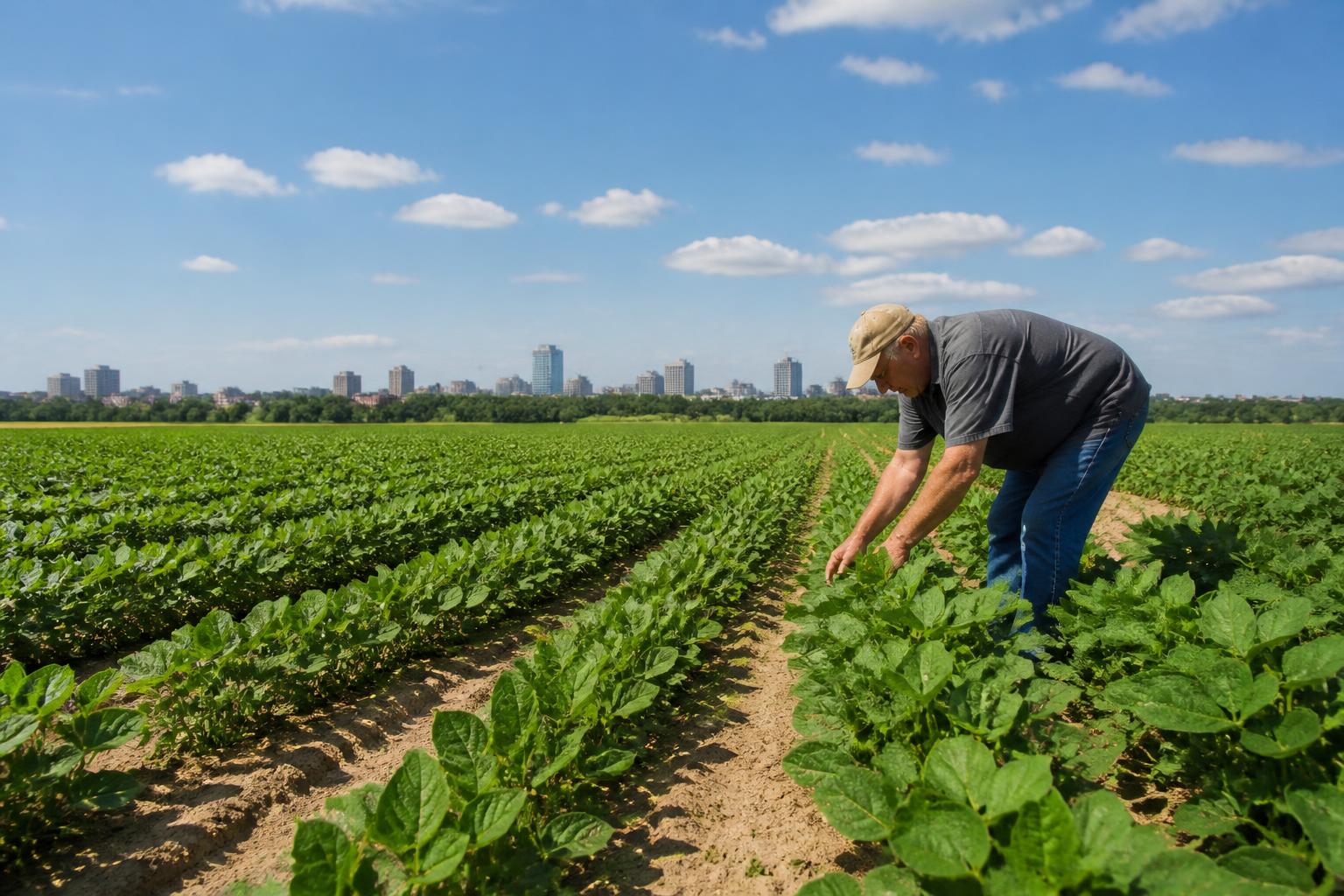
South Carolina's agricultural landscape is seeing significant movement as recent legislative actions prioritize the long-term viability of the state's farmland. By focusing on mitigating the pressures of urban sprawl and development, these policy updates are intended to provide a more stable foundation for producers across the state. For landowners and agribusiness operators, this represents a shift toward land conservation that may influence future land-use planning in key rural corridors.
Protecting Farmland and Sustaining Production
The push for land preservation is essential for maintaining the state's agricultural footprint. As development continues to accelerate near growing urban centers, farmers are looking toward strategies that ensure fields remain productive rather than repurposed. Understanding how these legislative changes might impact land value and long-term investment is critical for operators looking at generational farming in the region. Optimizing your logistics and storage planning remains a vital component of maintaining a competitive edge as these regulatory shifts unfold.
Addressing Emerging Biosecurity Challenges
Beyond land use, growers are keeping a close watch on regional biosecurity. Recent reports of invasive species, such as the yellow-legged hornet in neighboring North Carolina, have highlighted the vulnerability of local ecosystems. This predator poses a legitimate risk to the honeybees and pollinators that are fundamental to the success of many South Carolina specialty crops. Monitoring these developments is key to integrated pest management, as the arrival of such threats can shift the labor and financial requirements for maintaining healthy, high-yield fields throughout the summer season.
What it means for the market
For South Carolina agribusiness, the combined pressure of evolving land-use regulations and the potential for new invasive pest arrivals suggests a need for increased vigilance. Producers should prioritize sustainable land management and stay informed on state-led biosecurity updates to protect their bottom line. Maintaining robust communication with local agricultural extensions will be essential for identifying and mitigating these market risks early.
Comments
No comments yet - be the first to share your take.