
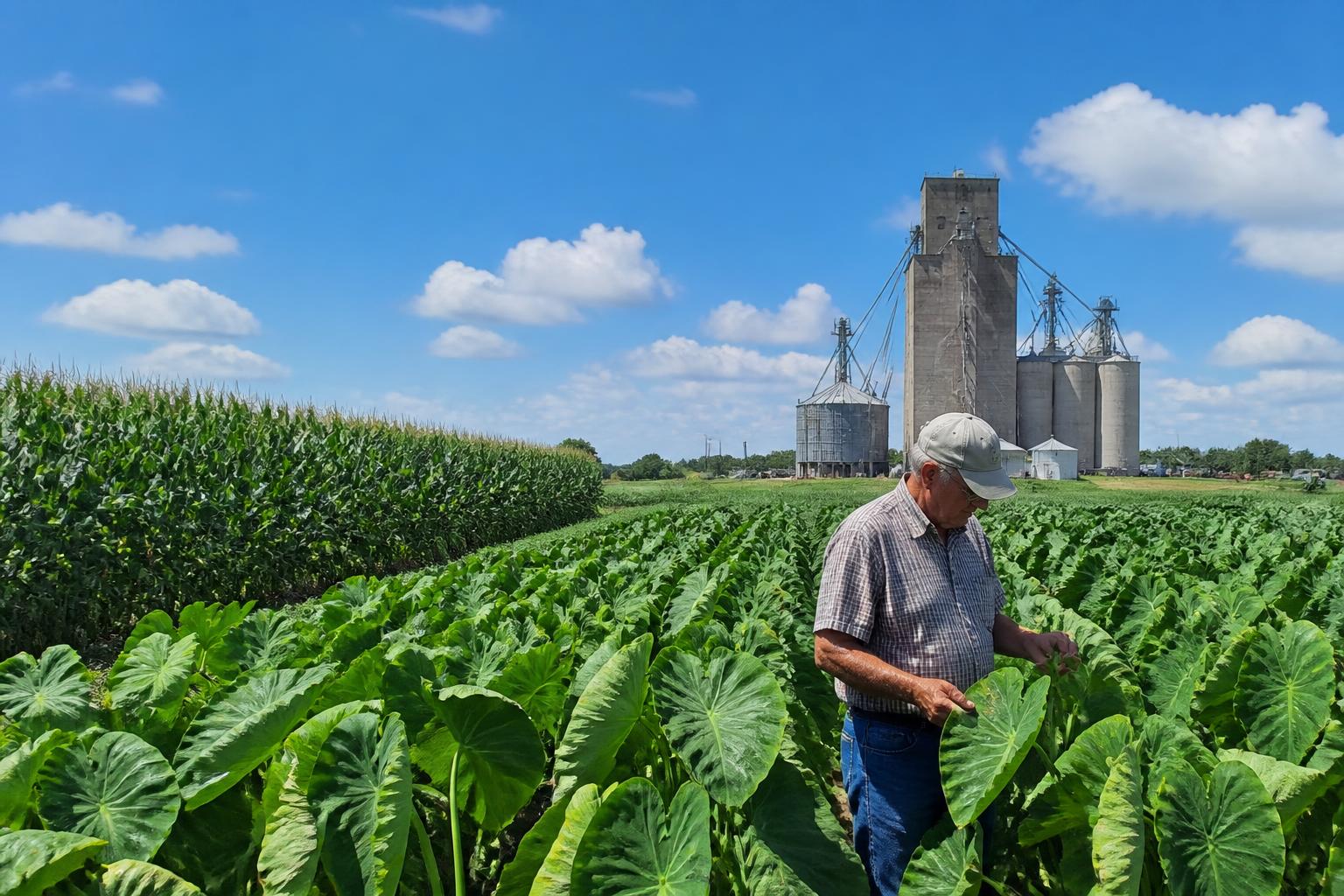
Mid-summer in South Carolina brings a unique set of logistical challenges and opportunities for the state's agriculture sector. As seasonal heat persists, farmers and grain handlers are balancing the demands of routine crop management with the preparation required to ensure efficient flow throughout the harvest cycle. Maintaining infrastructure, such as local regional freight lanes and storage capacity, remains a priority for agribusinesses across the Midlands and the Upstate.
For those managing grain movement, recent discussions have centered on the necessity of upgrading handling facilities and optimizing transport networks to minimize bottlenecks. Reliable access to grain elevators is crucial as the season progresses, and many operators are focusing on preventive maintenance to avoid costly downtime when commodity volumes increase.
Infrastructure and Capacity Trends
Investment in regional handling capability often serves as a primary hedge against transport volatility. Enhancing storage infrastructure allows for more flexibility in timing shipments, providing producers with the ability to avoid peak-traffic periods on major corridors. In some counties, community-driven coalitions are working to streamline communication between growers, processors, and logistics providers, aiming to create more predictable delivery schedules.
Practical Considerations for Seasonal Transport
- Equipment Readiness: Regularly inspect loading and hauling gear to handle the intensity of high-temperature operations.
- Network Planning: Coordinate closely with local elevators to align delivery windows, which can help in avoiding congestion during the busiest weeks of the season.
- Monitoring Local Impacts: Stay informed on regional logistics updates that may influence regional trucking availability and freight rates.
What it means for the market
Success this season hinges on proactive logistics management. By focusing on maintaining fluid handling capacity and fostering strong communication with transport partners, South Carolina agribusinesses can better navigate potential market disruptions. Keeping a pulse on infrastructure capacity today will ensure that the region remains resilient against the logistical pressures often seen during the height of the agricultural calendar.
Comments
No comments yet - be the first to share your take.