
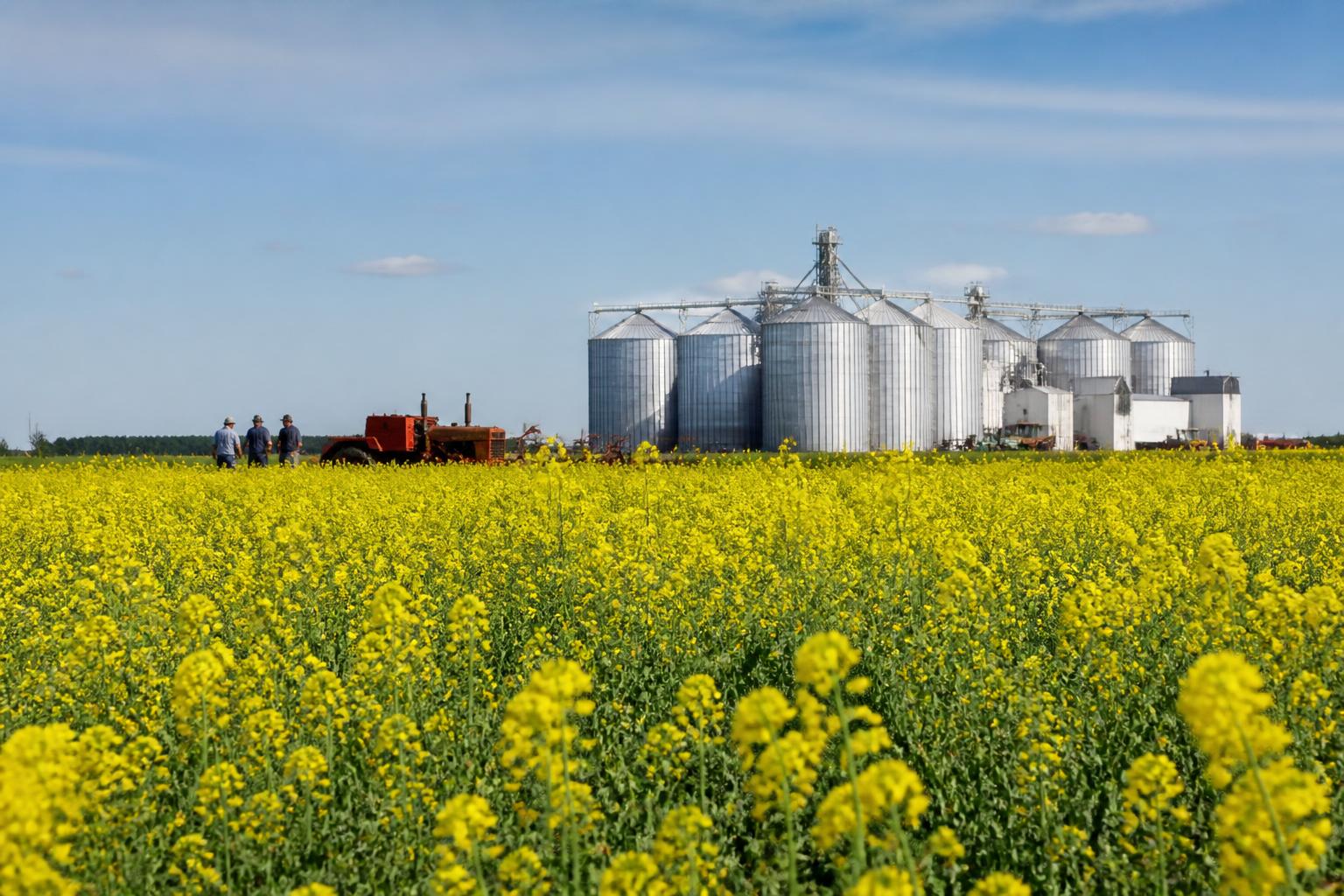
Mid-summer in North Dakota brings a familiar intensity, but for many producers, the current season is defined as much by economic caution as it is by fieldwork. As the state's agriculture sector navigates a complex period of profitless growing conditions, many growers are scaling back on capital expenditures, particularly in farm machinery. This trend reflects a broader effort to tighten operational budgets and preserve liquidity ahead of fall harvest preparations.
For those managing on-farm storage and basis strategies, current conditions necessitate a renewed focus on crop quality. With tight margins, the ability to store grain effectively is becoming a primary competitive advantage. Producers are prioritizing aeration and moisture monitoring to protect the value of their inventory, acknowledging that the difference between profit and loss often comes down to maintaining condition during extended storage cycles.
Navigating Input and Logistical Pressures
The agricultural landscape in North Dakota is further complicated by global supply chain volatility, which continues to impact inputs like fertilizers. While local producers keep a close eye on the pulse of mid-summer market swings, regional research continues to address production hurdles. Emerging partnerships in crop science, such as new water-stress solutions for canola, offer potential avenues for yield stability even when external market factors remain difficult to predict.
Transportation logistics remain another key area of focus for agribusinesses. From coordinating grain movement to ensuring the delivery of essential supplies, the pressure on regional infrastructure highlights the need for operational efficiency. Industry associations continue to advocate for regulatory flexibility, particularly regarding the handling of hazardous materials, to streamline the movement of essential fuels and inputs across the state's corridors.
What it means for the market
Producers are advised to maintain a defensive posture as they navigate the remainder of the summer. By deferring non-essential equipment upgrades and focusing on rigorous storage management, growers can better position themselves against continued margin compression. Staying informed on regional wheat tour developments and local basis movements will be essential for making prudent marketing decisions as the harvest outlook begins to solidify.
Comments
No comments yet - be the first to share your take.