
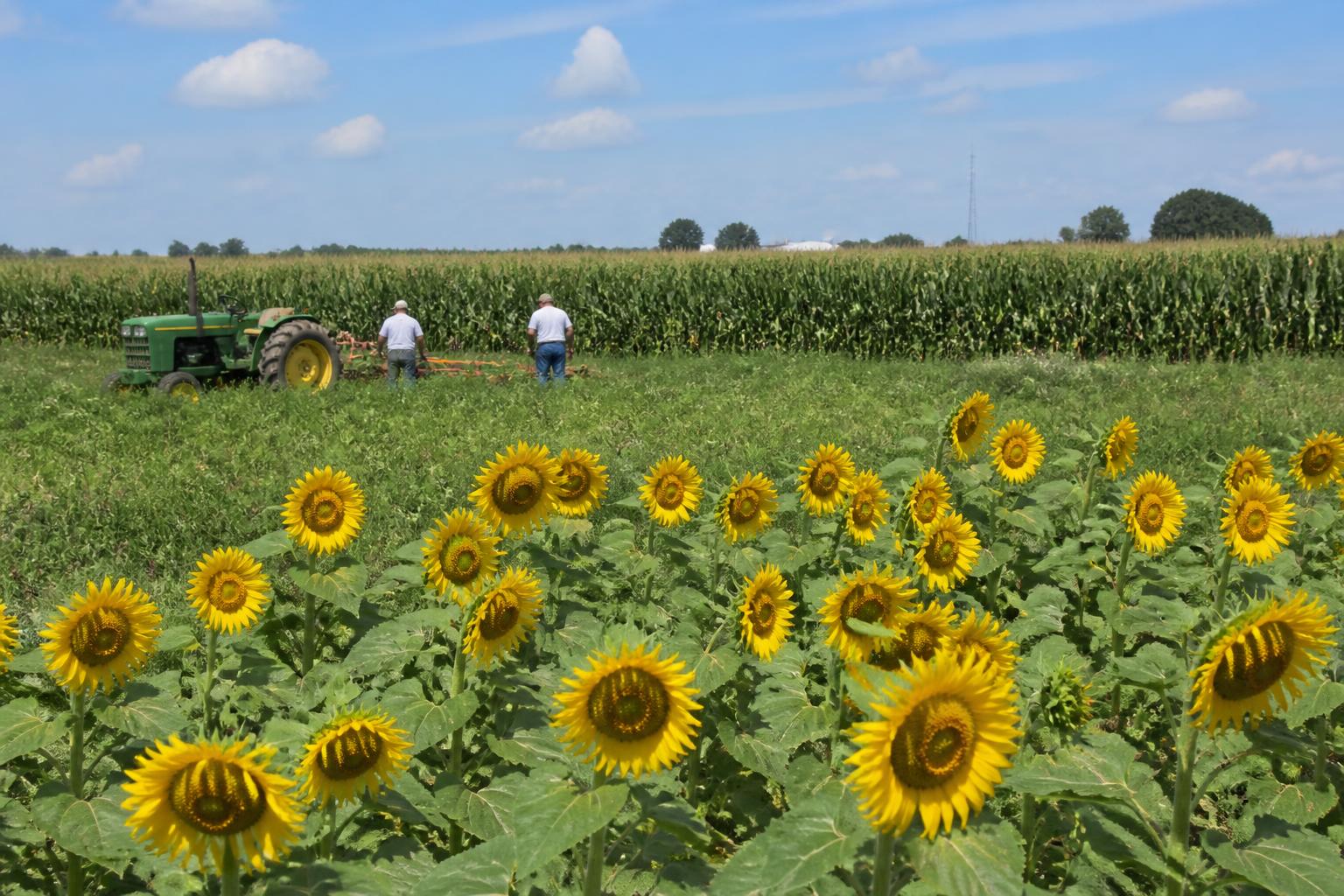
Mid-summer in North Dakota brings a unique set of challenges and opportunities for the state's agribusiness community. While recent reports highlight potential breakthroughs in corn productivity, producers across the state continue to manage their operations with a focus on long-term viability and risk mitigation. Navigating current market and crop pressures remains a primary concern as the industry monitors global demand signals.
Evaluating Crop Performance and Regional Potential
Recent observations of high-yield potential in corn crops underscore the resilience and innovation prevalent in North Dakota agriculture. Alongside staple cereal grains, diversifying into alternative crops like sunflowers is gaining traction, providing producers with flexible options to balance their portfolios. However, success in these ventures requires staying informed on local logistics, as shifting grain movement patterns often dictate the profitability of late-season sales.
Input Costs and Industry Infrastructure
With global fertilizer pressure remaining a persistent issue, regional proposals to enhance local nitrogen production are receiving renewed attention. Strengthening domestic supply chains could prove critical for state producers looking to insulate themselves from international market shocks. As farmers sell grain in North Dakota, the focus frequently shifts toward local storage efficiency and the timing of deliveries to align with regional basis levels.
What it means for the market
The current agricultural landscape in North Dakota is defined by a blend of technical achievement and economic caution. For grain handlers and carriers, maintaining responsiveness to variable yields and evolving trade climates will be essential. By prioritizing efficient storage and staying agile in the face of shifting international trade policies, market participants can better position themselves to weather current volatility and capitalize on regional production gains.
Comments
No comments yet - be the first to share your take.