
As summer temperatures peak across South Carolina, agricultural producers face a complex matrix of biological threats and regulatory updates. From the coastal plains to the Piedmont, maintaining crop health requires a mix of traditional vigilance, biological innovation, and compliance with evolving biosecurity rules. Safeguarding summer yields is critical as local operations navigate both emerging pest pressures and new market opportunities.
Managing New Biosecurity Threats and Regulatory Wins
Biosecurity remains a top priority for South Carolina regulators and growers alike. The detection of citrus greening within the state has heightened the need for strict monitoring of citrus plants, pushing growers to implement tighter defense protocols. This pest-induced disease threatens both backyard groves and commercial potential, requiring swift diagnostic action and coordinated regional responses to prevent further spread.
On a more positive note, effective pest management and quarantine measures have led to significant regulatory relief for other sectors. The lifting of a decades-old sweet potato ban in two South Carolina counties highlights how persistent eradication and monitoring efforts can successfully restore market access. By eliminating the pest pressures that originally triggered the quarantine, local sweet potato producers can now transport and market their crops more freely, boosting the state's regional agricultural footprint.
Biological Solutions and Organic Pathways
In response to rising input costs and evolving pest resistance, South Carolina growers are increasingly exploring integrated pest management (IPM) strategies. This shift matches a broader industry-wide trend toward natural crop defense, highlighted by major crop protection companies like Syngenta reinforcing their strategic focus on biologicals. For producers looking to adapt these methods, understanding how to apply biological crop protection can be highly beneficial, similar to the strategies discussed in protected cultivation and biologicals in the deep South.
For some South Carolina operations, transitioning to organic production provides an attractive pathway to capture premium markets. Clemson University has actively provided guidance on the basics of organic certification, helping farmers navigate the transition period, fertility requirements, and the strict guidelines governing approved organic pesticides and weed control measures. Navigating these requirements carefully ensures that growers do not jeopardize their certification status while trying to manage heavy summer weed pressure.
Protecting South Carolina Row Crops and Specialty Yields
Soybeans continue to serve as a reliable cash crop for many growers across the state, requiring diligent weed and insect management during the rapid growth phase of late June. To keep these operations profitable, growers are integrating advanced pest controls with broader marketing plans, as highlighted in this overview of South Carolina's grain markets and strategic expansion.
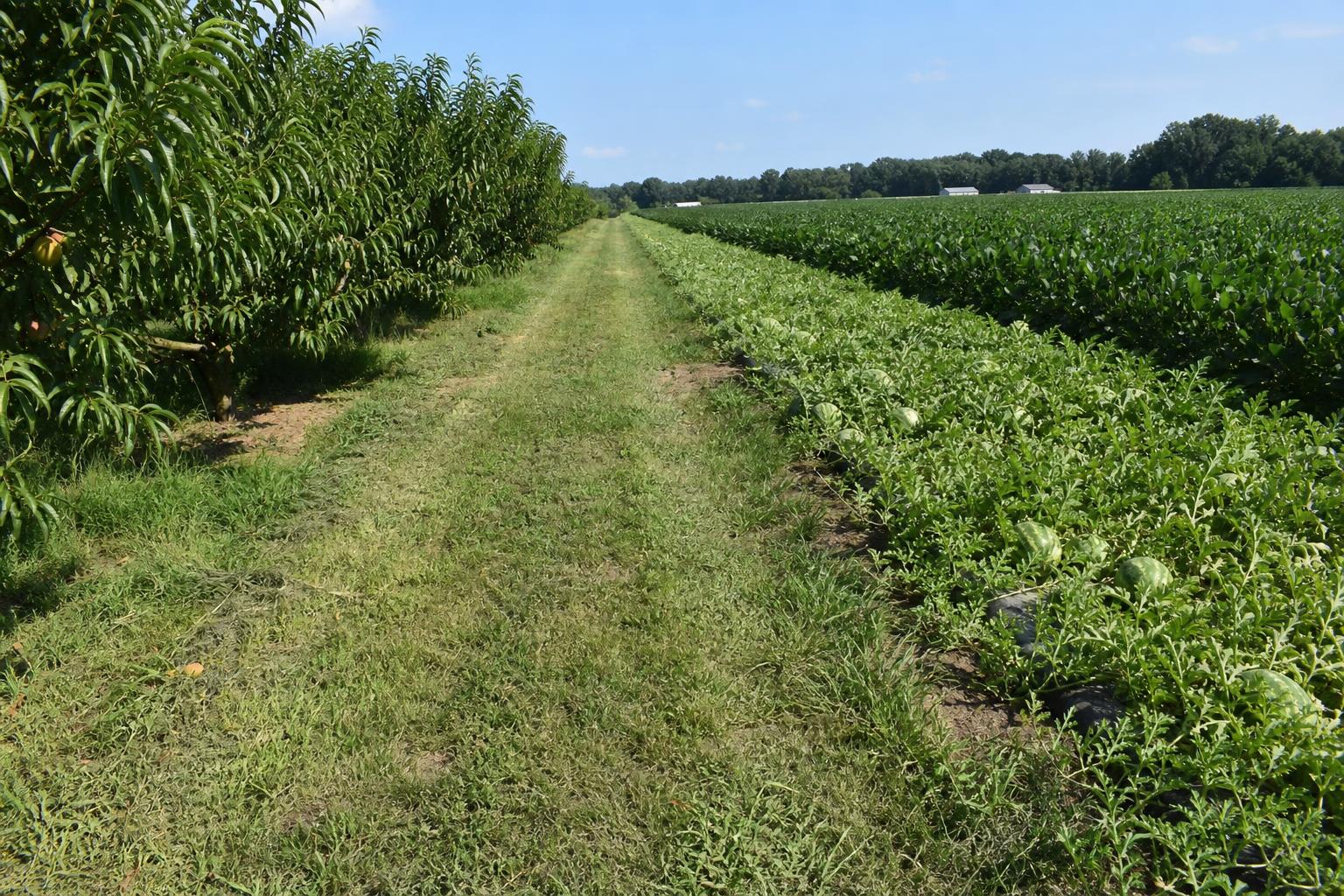
Specialty crops also require intense summer protection. South Carolina's famous peach orchards have seen volatile seasons in recent years, demonstrating how easily a crop can be impacted by weather anomalies and pest pressures. Meanwhile, some watermelon growers have reported exceptionally large fruit sizes this season, presenting unique logistical and protective challenges to prevent sunscald and rind damage before the summer harvest is complete.
What it means for the market
For South Carolina agribusinesses, the current crop protection landscape emphasizes that biosecurity and adaptive pest management are directly tied to profitability. The lifting of regional quarantines shows that long-term containment efforts pay off by opening up restricted shipping corridors, while the detection of citrus greening serves as a reminder that vigilance cannot waver. Growers who successfully balance traditional chemical inputs with emerging biological tools and precision data collection will be best positioned to protect their margins against summer heat and pest pressures.