
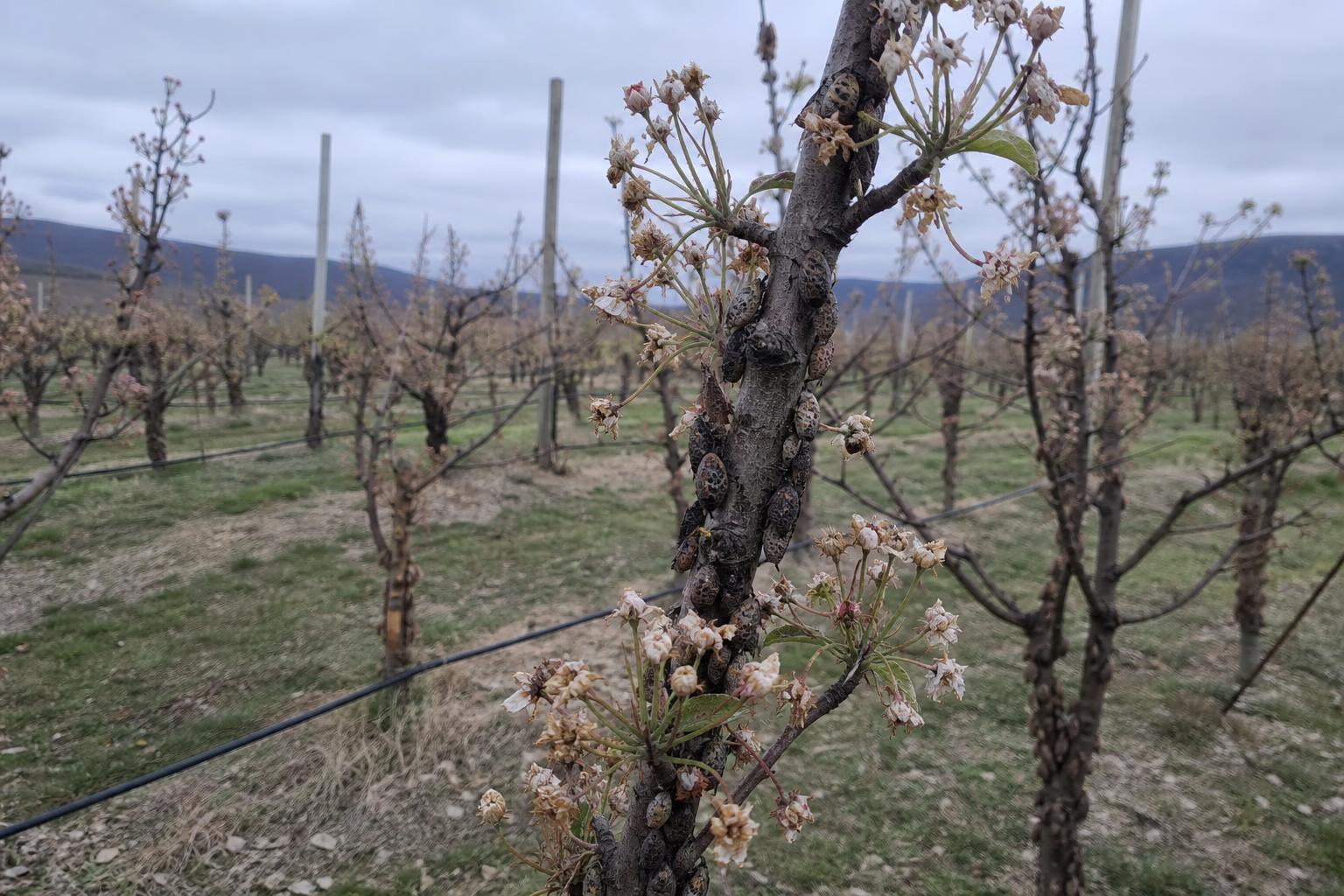
Pennsylvania growers are facing a challenging summer as they navigate a double-front crop protection battle. A widespread late freeze earlier in the spring dealt a severe blow to fruit and other vulnerable crops across the Commonwealth, leaving many orchards and vineyards with reduced yield potential. As summer temperatures rise, agricultural operations must now defend their remaining crops against the persistent threat of the spotted lanternfly, an invasive pest known to feed on a massive variety of agricultural plants.
For operations along key transit corridors like Interstate 81 and throughout major growing regions such as Adams and Lancaster counties, these overlapping pressures demand highly strategic management. Maintaining crop health and quality in the face of both weather setbacks and pest pressures is crucial for preserving local market share and meeting regional demand.
The Widespread Toll of the Late Freeze
The late-season freeze event sent shockwaves through Pennsylvania's specialty crop sector, dealing a significant blow to tree fruit, berries, and early-emerging field crops. In many regions, the sudden drop in temperature caught early buds at their most vulnerable stage, leading to widespread damage that varies by elevation and microclimate. Fruit growers, in particular, are now assessing the long-term viability of this season's harvest, with some blocks showing minimal fruit set.
This weather-induced setback highlights the ongoing volatility in regional production, a theme that remains central when Pennsylvania agriculture navigates market dynamics. With tight margins and reduced volume, growers are forced to maximize the quality of their remaining harvest to cover fixed operating costs and seasonal labor.
Spotted Lanternfly Threats and Summer Management
Adding to the stress of weather damage is the relentless spread of the spotted lanternfly. This destructive pest is known to feed on a wide range of hosts, from grapevines and fruit trees to hardwood timber. During the summer months, the pest reaches its highly active adult stage, swarming plants to feed on sap and leaving behind honeydew that fosters black sooty mold growth.
For vineyards and orchards, keeping these pests at bay requires a robust combination of physical barriers, sticky bands, and targeted chemical applications. However, chemical control measures must be handled with care to avoid harming non-target beneficial insects. For this reason, keeping pollination health on the crop protection checklist is a priority for Pennsylvania growers who rely on healthy bee populations for future cropping cycles.
Key Takeaways for PA Producers
- Evaluate Freeze Damage Individually: Assess crop damage block-by-block, as local topography greatly influenced the severity of the freeze.
- Integrate Pest Monitoring: Early detection of spotted lanternfly nymphs and adults is critical to deploying targeted, cost-effective controls.
- Protect Beneficial Insects: Time insecticide applications carefully to minimize contact with active pollinators during peak foraging hours.
What it means for the market
For the local mid-Atlantic market, the combination of late freeze damage and high pest pressure is expected to restrict the volume of premium Pennsylvania-grown fruit reaching retail shelves and processing facilities this fall. This supply tightening could lead to localized price increases for fresh table fruit, cider apples, and wine grapes. Buyers and logistics providers should anticipate adjusted shipping volumes out of key Pennsylvania growing regions, while input suppliers will likely see sustained demand for selective insecticides and crop-recovery stimulants as farmers work to salvage and protect their remaining inventory.
Comments
No comments yet - be the first to share your take.