
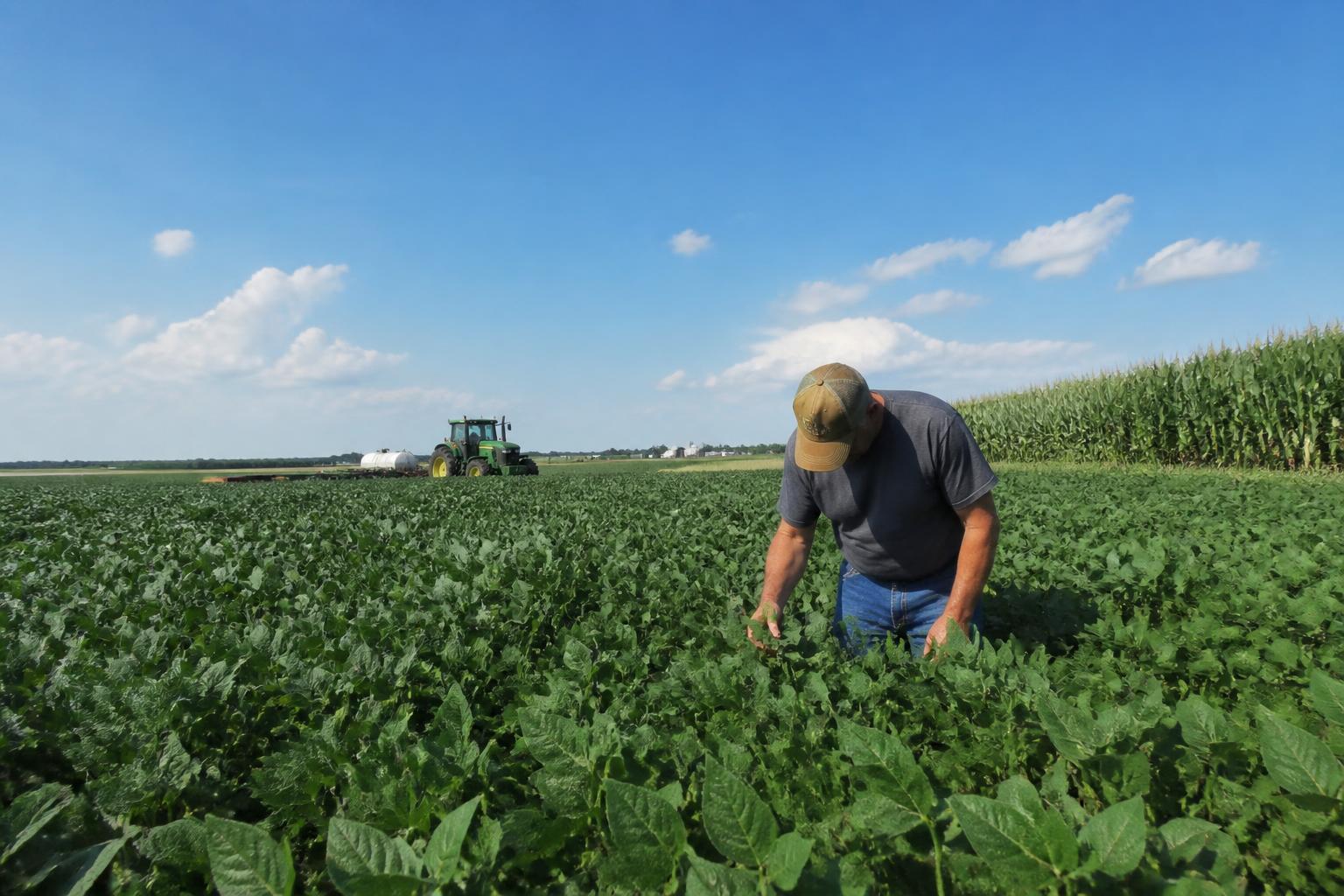
As we move through late summer, North Dakota producers are already looking ahead to future cropping cycles. Recent reports suggest a shift in planting intentions for the upcoming year, with many operations planning to lean into soybeans while trimming back on corn acreage. Wheat producers, meanwhile, are closely monitoring the landscape as they navigate historic shifts in total planted area.
These strategic adjustments come at a time when agribusinesses are forced to balance tight margins with rising operational costs. External factors, including geopolitical volatility, continue to exert upward pressure on fertilizer pricing, creating a challenging environment for those finalizing their input procurement strategies. Local growers are encouraged to stay informed on financial management tactics to weather these persistent market headwinds.
Logistics and Regulatory Oversight
Efficiency remains a top priority for North Dakota’s supply chain. Innovations in ag-logistics are increasingly focused on digitizing and streamlining the movement of commodities from the elevator to the port. Additionally, the regulatory climate in the state continues to evolve, impacting long-term planning for land use and storage infrastructure. For those in the grain sector, maintaining a firm grasp on basis levels and storage capacity is essential as the late-summer window closes.
Monitoring Crop Maturity
With the current season progressing, attention is turning toward final yield potentials. While spring wheat conditions have generally been reported in good shape across many North Dakota counties, the focus for the remainder of the summer involves careful monitoring of crop maturity. As mid-summer harvest outlooks shift, staying agile with grain marketing and equipment preparation will be key for producers preparing for the fall rush.
What it means for the market
Producers should expect a continued emphasis on precision inputs and cost-containment measures. As global supply chain disruptions influence local fertilizer availability and logistics, the value of robust storage infrastructure and efficient transport coordination will only increase. Keeping a close eye on regional market trends will allow for better decision-making as the sector moves into the harvest season.
Comments
No comments yet - be the first to share your take.