
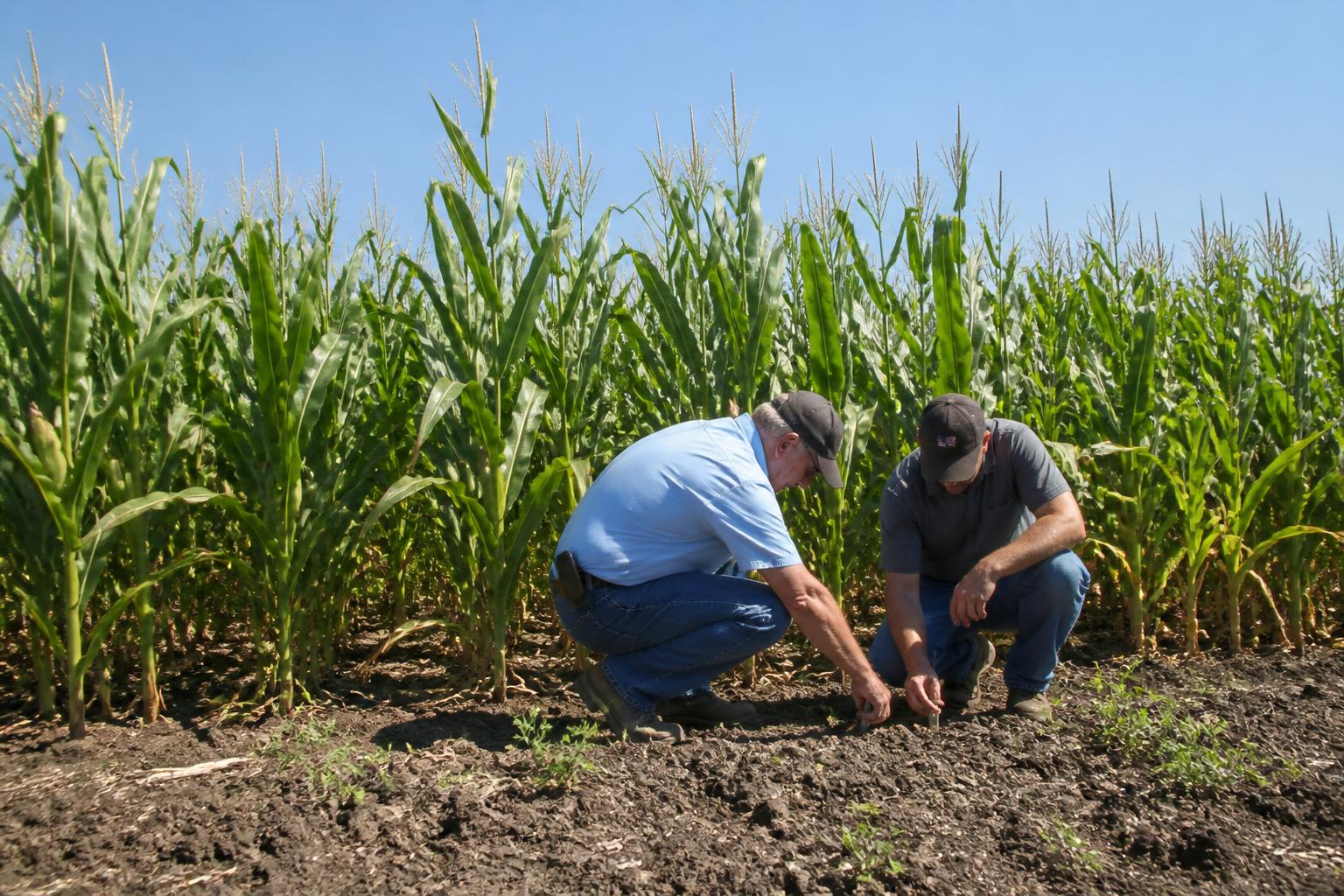
Managing Field Conditions and Moisture
As the summer season progresses across North Dakota, agricultural producers are increasingly focused on the critical relationship between moisture levels and crop maturity. With harvest activities often beginning to occupy the thoughts of many in the field, managing grain moisture content remains a top priority to ensure quality and marketability. Proactive monitoring of field conditions is essential as farmers look toward the coming weeks, especially given how variability in weather patterns can shift timelines across the state's diverse regions.
Vigilance Against Field Stressors
While regional reports often highlight the importance of localized scouting, staying alert for unusual crop symptoms is a standard practice for many experienced operators. Keeping an eye on development patterns, such as identifying early signs of potential leaf stressors or health concerns in the crop canopy, can help in making informed management decisions. Even if specific conditions remain infrequent, early detection serves as an effective risk management strategy to protect yield potential before final maturity is reached.
Logistics and Market Readiness
For grain handlers and trucking operations across the state, the current window provides an opportunity to verify storage readiness and equipment maintenance. As the industry anticipates the transition toward harvest, ensuring that local elevators and transportation corridors are prepared for the upcoming seasonal flow is key to maintaining operational efficiency. Reliable logistics management during this period can help mitigate bottlenecks that often arise when crops reach optimal moisture levels simultaneously.
What it means for the market
The market environment remains sensitive to the intersection of quality and timing. For North Dakota agribusinesses, success in the coming months will likely depend on maintaining sharp operational awareness, prioritizing moisture control in storage, and staying responsive to the shifting needs of local producers as they work to finalize their seasonal output.
Comments
No comments yet - be the first to share your take.