
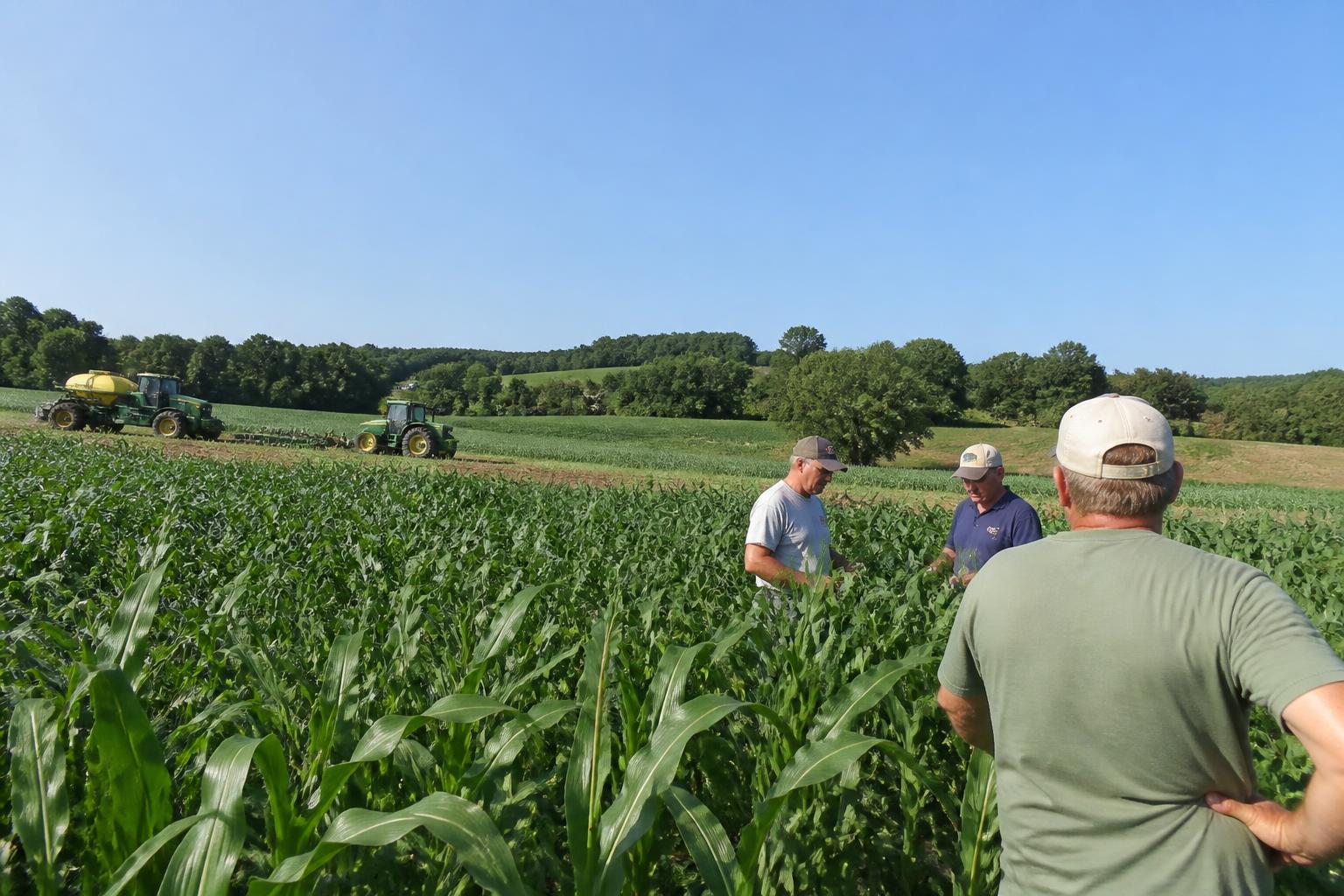
As we navigate the final weeks of August, Pennsylvania farmers are facing a complex operating environment defined by persistent cost challenges and shifting market sentiment. Throughout the state, from the fertile fields of Lancaster County to the rolling hills in the western regions, producers are closely monitoring how national trade fluctuations and input market dynamics may influence their bottom lines heading into the harvest season.
For many, the current market climate necessitates a renewed focus on supply chain efficiency. Managing logistics and infrastructure remains a top priority, particularly as agribusinesses look to balance rising operational expenses with the need for competitive output pricing. Whether managing grain storage capacity or coordinating livestock transport, regional operators are finding that resilience often depends on proactive adjustments to regional logistical bottlenecks.
Input Costs and Market Sentiment
Input procurement remains a primary concern for the local agribusiness community. With ongoing debates regarding federal fertilizer market reporting and broader trade uncertainties, Pennsylvania farmers are urged to maintain lean, data-driven purchasing strategies. The uncertainty surrounding trade policy continues to create a split in sentiment across the state, making it critical for producers to stay informed on how these macro-level shifts might impact localized grain market conditions and regional commodity demand.
Looking Toward Harvest
As summer field work continues, the focus is shifting toward harvest readiness. While legislative efforts to bolster crop damage protection reflect a growing awareness of the risks Pennsylvania farmers face, producers are encouraged to focus on operational agility. Keeping equipment maintained and finalizing storage logistics now can prevent significant headaches once the fall harvest intensity peaks across the commonwealth.
What it means for the market
For Pennsylvania farmers and regional processors, the current environment favors those who prioritize cost-control and regional networking. By focusing on efficient logistics and staying engaged with local industry organizations, stakeholders can better insulate their operations from the volatility inherent in today's globalized agricultural markets. Success this season will likely be measured by the ability to navigate rising input costs while maintaining the structural integrity of the state's diverse supply chains.
Comments
No comments yet - be the first to share your take.