
Navigating Input Costs in the Mid-Atlantic
As Delaware enters the fall season, producers across the state are carefully monitoring the intersection of energy costs and long-term input planning. With recent pressures on the agricultural sector, efficiency in nutrient management is becoming a central theme for farm operators from the fertile soils of Sussex County up through the northern corridors. As the market navigates global supply chain nuances, local growers are increasingly looking toward strategic fertilizer procurement to insulate operations against potential price shocks.
Technology and Sustainability in the Field
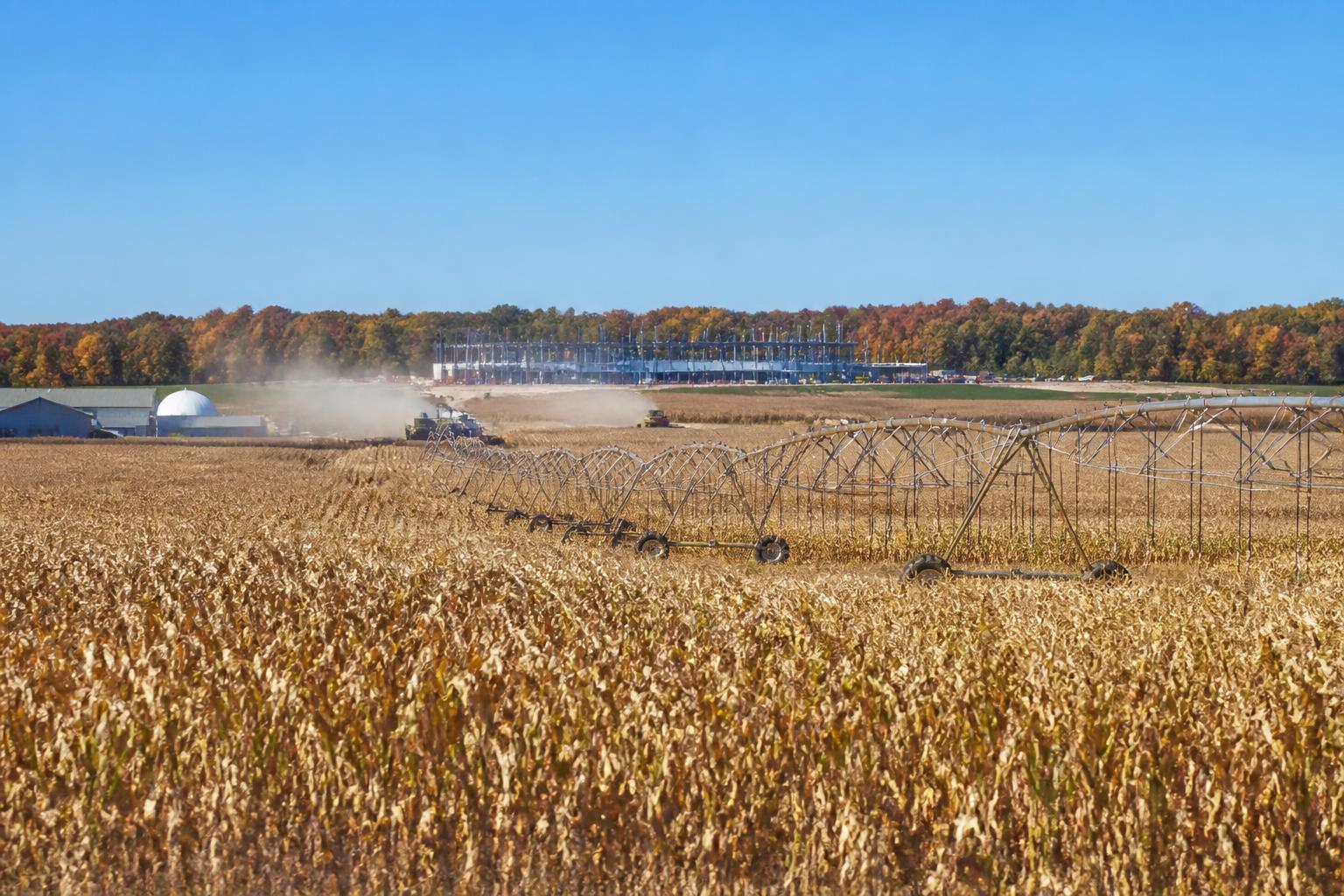
The shift toward precision agriculture remains a focal point for Delaware’s diverse crop production. Innovations in mobile drip irrigation are proving their worth, offering a path to higher yields while simultaneously addressing water conservation targets. These advancements are critical as the region balances the need for consistent output with the rising expenses associated with traditional field operations.
R&D and Industry Growth
Delaware continues to hold a unique position in the broader agricultural landscape, maintaining its reputation as a hub for both production and innovation. Investment in regional research and development facilities remains steady, signaling a long-term commitment to enhancing the competitiveness of local agribusiness. Such infrastructure supports the state's role in developing the next generation of inputs and technologies that directly benefit the bottom line of Delaware farmers.
What it means for the market
Market volatility remains a persistent feature for Delaware grain and input handlers this fall. While global commodity trends and energy fluctuations create a complex environment, proactive management and investment in site-specific irrigation and nutrient strategies can help mitigate risks. Growers and logistics providers should maintain close communication with local cooperatives and suppliers to stay ahead of regional supply shifts as the busy season progresses.
Comments
No comments yet - be the first to share your take.