
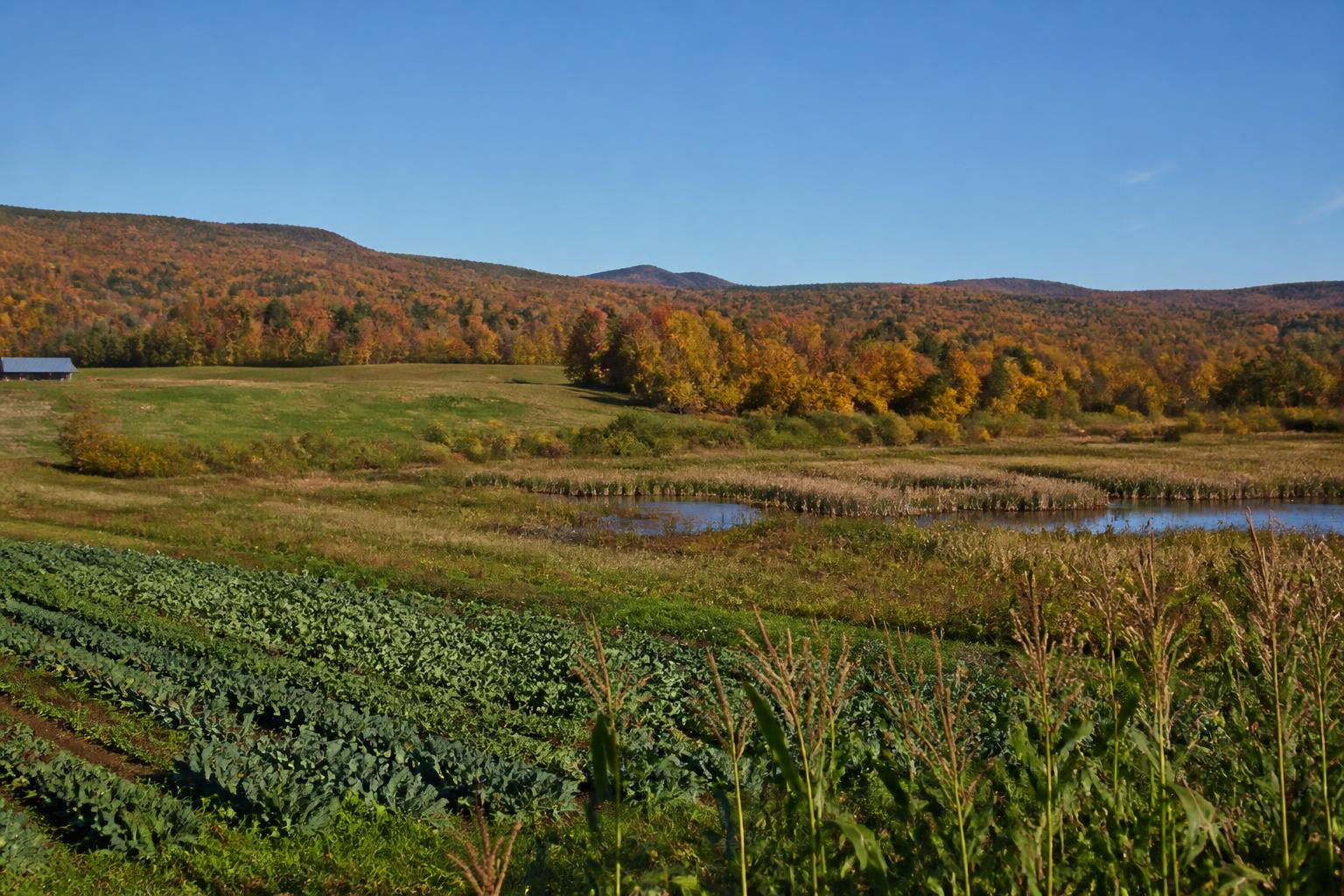
As the summer season gets underway across Vermont, the state's agricultural community is facing a unique mix of regulatory adjustments, land preservation milestones, and shifting trade dynamics. From the fertile Champlain Valley to the forested hills of Franklin County, local producers and agribusinesses are adapting their operational models to comply with strict environmental standards while planning for long-term economic viability.
Local stakeholders are increasingly engaging in regional forums to discuss the future of food and farming in the state. These conversations highlight how state-level environmental mandates, land conservation initiatives, and global trade policies are reshaping the daily operations of Vermont's agricultural and forestry businesses.
Water Quality and Land Conservation Drive Operational Changes
In Vermont, water quality regulations continue to be a primary driver for operational shifts in both the farming and forestry sectors. Agribusinesses and logging operators, such as those in the northern counties, are modifying their daily practices to meet stringent state standards designed to protect local watersheds. These regulations often require significant investments in conservation practices, which can influence cash flow and operational planning for small and mid-sized operations.
Alongside water quality rules, land conservation remains a cornerstone of preserving Vermont's working landscape. Recent efforts, such as the protection of critical farmland, wetlands, and maple sugarbushes in Bakersfield, demonstrate a ongoing commitment to keeping agricultural land productive. By safeguarding these diverse ecosystems, local producers ensure that traditional sectors like maple syrup production and dairy farming can co-exist with conservation goals.
Policy Precedents and Trade Outlooks
Vermont is also carving out a distinct regulatory path, recently setting a precedent with new policy initiatives that could influence regional agricultural standards. While local policies focus on sustainability, broader economic conversations are focusing on trade. Vermont agriculture remains sensitive to fluctuating trade environments, and current discussions regarding potential tariffs highlight both risks and opportunities for local producers. Depending on how export agreements are structured, tariff adjustments could either pressure local markets or create new domestic demand for regional goods, including Vermont's grain market opportunities and niche organic products.
Key Takeaways for Vermont Agribusinesses
- Regulatory compliance: Maintaining strict adherence to water quality standards is essential for long-term viability in both logging and farming.
- Land stewardship: Conservation easements in areas like Bakersfield protect multi-use land, including sugarbushes and wetlands, ensuring resource longevity.
- Trade watch: Farm managers and exporters should monitor changing tariff policies, which may disrupt input costs and export pricing.
What it means for the market
For Vermont farmers, grain handlers, and foresters, the current landscape requires a careful balance between environmental compliance and market agility. As state policies continue to set new precedents and global trade debates introduce pricing uncertainty, operators who proactively integrate conservation practices and diversify their market channels will be best positioned to navigate the summer and fall business cycles.