
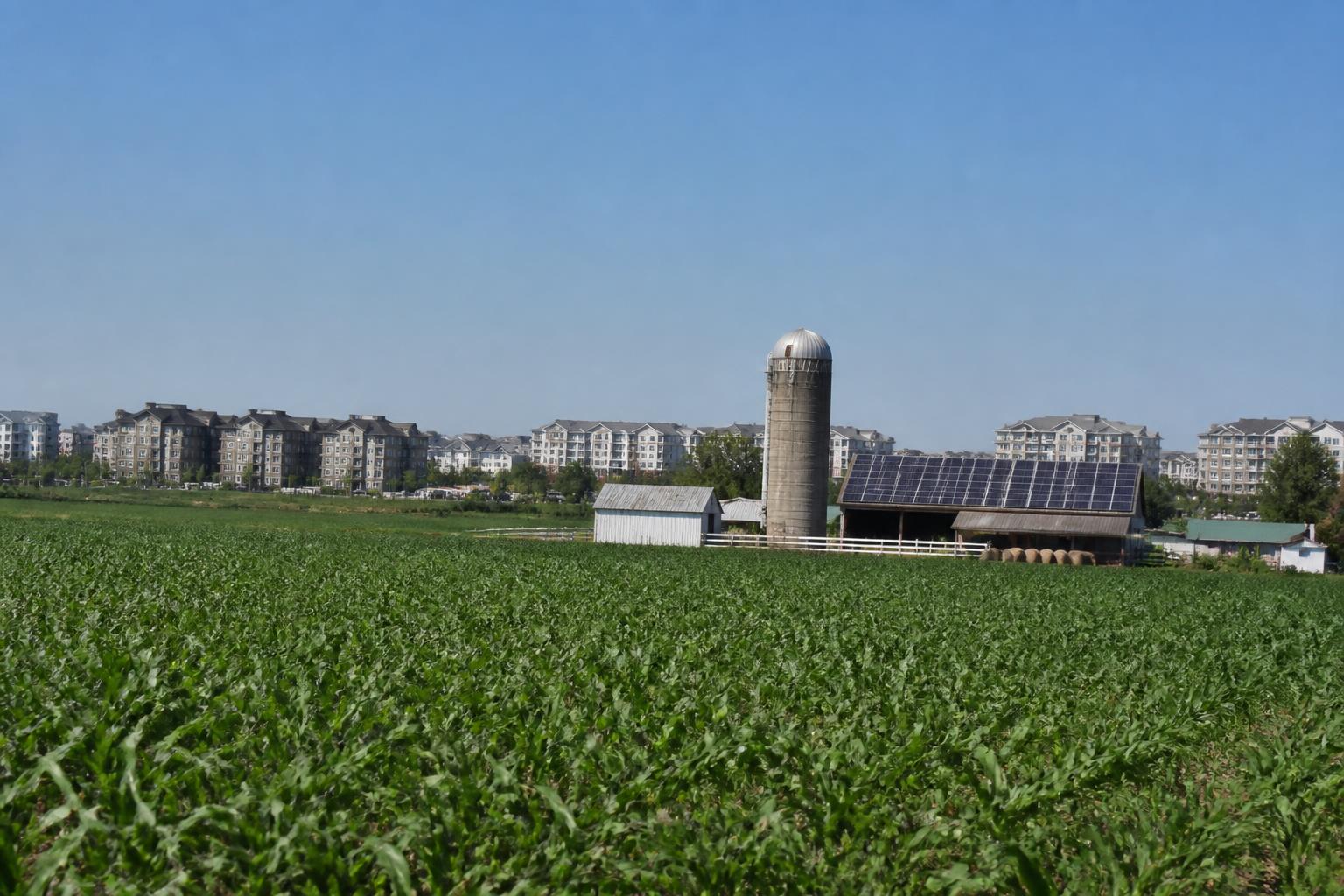
As New Jersey growers head into the heat of the summer season, managing production costs has become a high-stakes balancing act. Global geopolitical tensions and energy supply disruptions continue to drive volatility in the fertilizer market, forcing local operations to re-evaluate their input strategies. With key agricultural sectors in the Garden State navigating peak summer demand, the cost of nitrogen, phosphorus, and potash remains a primary concern for local bottom lines.
Global Pressures Squeeze Garden State Margins
For New Jersey family farms, from the vegetable growers in Cumberland and Gloucester counties to the grain operations in Warren and Hunterdon, international supply chains dictate local input costs. Geopolitical conflicts have fueled a fresh wave of fertilizer price shocks, raising the cost of essential crop nutrients at a critical time. Growers face the difficult decision of locking in prices now or waiting for potential market corrections.
Making the wrong call on bulk fertilizer orders can significantly erode seasonal profitability, particularly for high-intensity vegetable and nursery crops that define much of the state's agricultural output. In this environment, understanding New Jersey's agricultural market and its current trends is essential for mapping out resilient input strategies.
Environmental Stewardship and Nutrient Runoff
High fertilizer prices are not the only challenge facing local growers. New Jersey farmers operate in one of the most densely populated states in the country, placing agricultural practices under constant public and regulatory scrutiny. Managing nutrient runoff to prevent local watershed pollution remains a top priority. Additionally, coastal operations in southern New Jersey are experiencing the direct effects of rising sea levels, which can alter soil salinity and force changes in what crops can be successfully grown and fertilized.
These environmental shifts, combined with the push for more sustainable practices, are driving interest in precision application and split-application methods to maximize nutrient efficiency. This matches similar trends seen across the region, where operations are adjusting to high costs and evolving soil standards, much like those adapting to mid-summer fertilizer strategies in West Virginia.
Land Preservation and Economic Diversification
Encroaching urbanization and rising land values continue to pressure New Jersey's agricultural footprint. In response, some producers are turning to alternative revenue streams, such as distributed solar installations, to help keep their farmland out of the real estate market. This economic buffer helps offset volatile input expenses, allowing operators to focus on crop health and soil nutrition.
As local direct-to-consumer demand swells during the summer months, maintaining high crop yields is paramount. Leveraging the current summer surge in local agricultural markets allows growers to capture premium pricing, which helps absorb some of the high fertilizer and fuel overheads.
Key Takeaways for NJ Growers
- Volatile Pricing: Global geopolitical tensions are keeping nitrogen and potash prices volatile during peak summer demand.
- Precision Application: Environmental concerns and coastal salinity shifts require highly precise fertilizer application methods to prevent runoff.
- Diversified Income: Alternative revenue models, such as solar integration and direct-to-consumer sales, are helping local farms offset rising input overhead.
What it means for the market
For New Jersey agricultural businesses, the summer of 2026 is a test of financial and environmental efficiency. Survival in the modern market depends on transitioning away from heavy, unmeasured fertilizer applications toward precision management and soil health tracking. As input costs remain elevated and urbanization continues to squeeze local acres, those who adopt split-applications, focus on nutrient placement, and leverage local premium markets will be best positioned to protect their margins.
Comments
No comments yet - be the first to share your take.