
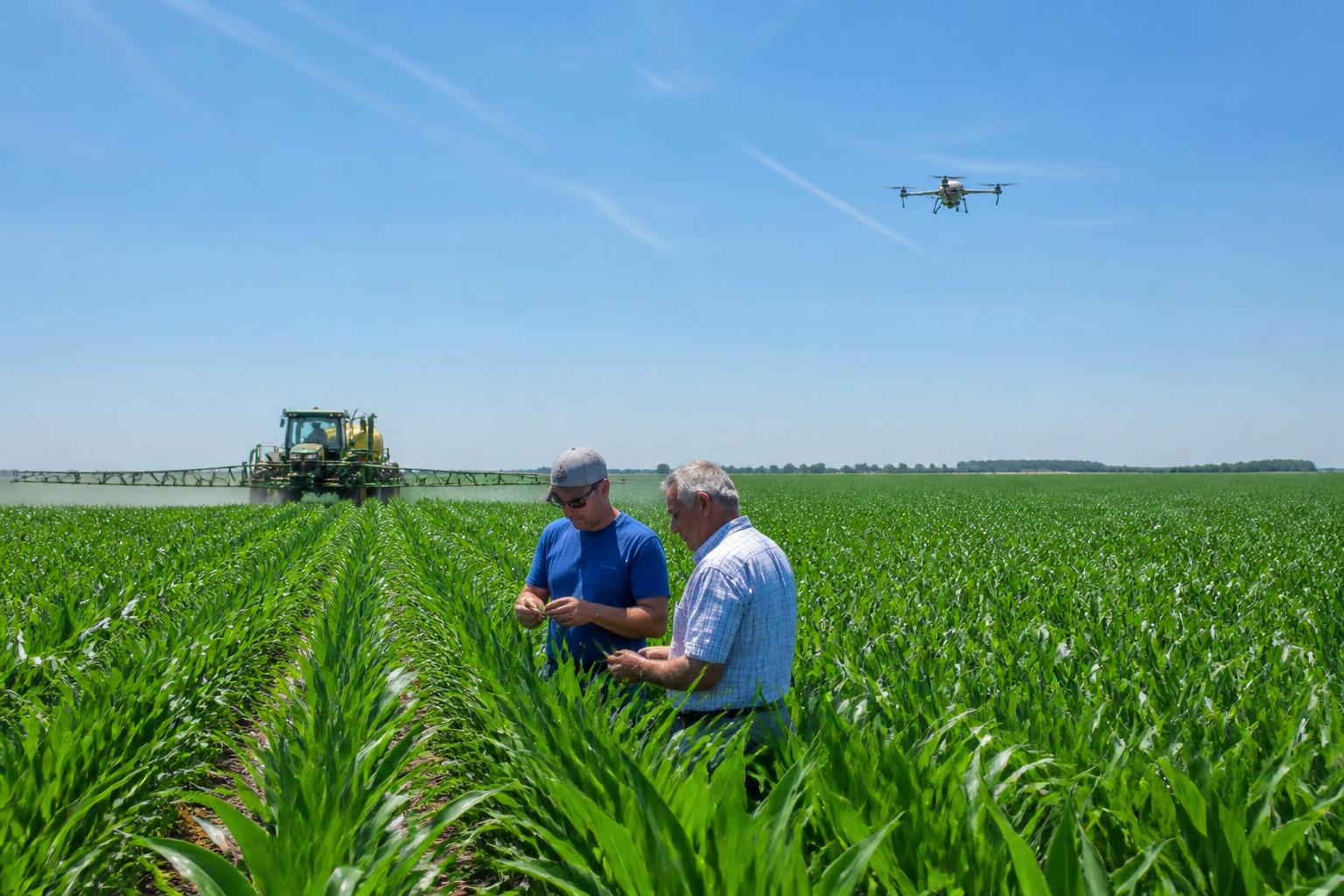
Summer is in full swing across Minnesota, and crops are advancing rapidly through key growth stages across southern counties and the Red River Valley. However, this growing season comes with a backdrop of tight margins and rising operational anxieties. With regional farm bankruptcies raising concerns about a broader rural economic squeeze, Minnesota producers must optimize every dollar spent on inputs while looking ahead to seasonal marketing opportunities.
Successfully navigating these headwinds requires a dual focus on tactical crop management and aggressive post-harvest planning. By understanding the structural shifts in input supply chains and adjusting storage plans, Upper Midwest growers can better shield their balance sheets from market volatility.
Input Pressures and Consolidation in the Fertilizer Sector
For Minnesota corn and wheat growers, managing nutrient programs remains a primary financial challenge. Rising fertilizer prices have drawn national attention, with federal lawmakers like Senator Amy Klobuchar highlighting the issue during Senate Agriculture Committee hearings. A major driver behind these sustained high costs is the ongoing consolidation within the domestic nitrogen fertilizer industry, which limits sourcing options for local cooperatives and independent retailers.
In response, more growers in the region are exploring efficiency-focused alternatives. The use of foliar fertilizers is gaining traction as a targeted method to deliver micronutrients directly during critical summer reproductive stages, potentially reducing total soil-applied nitrogen requirements. Additionally, as state agencies and transportation departments seek pathways for agricultural decarbonization, the efficiency of fertilizer logistics along major highway corridors like Interstate 90 and Highway 14 remains under intense scrutiny.
Pest Control Adjustments and Regulatory Shifts
Input challenges extend beyond crop nutrients to chemical protection. With restrictions on widely used active ingredients, Minnesota crop and pest specialists have been urging growers to transition to viable chlorpyrifos alternatives. Securing these alternative crop protection tools is vital for managing mid-summer insect pressure without sacrificing yield potential.
Industry advocates continue to stress the importance of maintaining access to a diverse pesticide registry. For Minnesota farmers, staying ahead of these regulatory changes means working closely with local agronomists to secure alternative chemistry early, ensuring that summer outbreaks do not catch operations unprepared.
Tactical Storage to Weather the Bear Market
With corn and soybean prices facing downward pressure, selling directly off the combine this fall may not be the most profitable path. Implementing a disciplined grain storage strategy is a proven method to capture carry in a bear market, allowing producers to bypass the seasonal harvest lows and wait for localized basis improvements.
As Minnesota's grain market faces challenges amid growing consolidation, the marketing landscape is shifting. Utilizing on-farm storage bins or locking in delayed pricing contracts with regional elevators along major rail lines and Mississippi River ports can provide the flexibility needed to wait out temporary market gluts.
Key Takeaways for Minnesota Producers
- Optimize Nutrient Efficiency: Consider foliar fertilizer applications to maximize nutrient uptake during summer heat and bypass high-cost bulk soil applications.
- Secure Pest Control Alternatives: Work with local crop specialists to implement recommended alternatives to chlorpyrifos before late-season pest pressure peaks.
- Commit to a Storage Strategy: Evaluate on-farm bin readiness ahead of time to avoid being forced to sell at depressed harvest prices.
What it means for the market
The combination of consolidated input supply chains and a bearish crop price outlook means that Minnesota farmers cannot rely on traditional production-maximizing formulas alone. Survival in this environment is about margin preservation. Managing cash flow through strategic crop protection adjustments and holding grain in storage to capture market carries will likely separate profitable operations from those facing severe financial stress as the crop year progresses.
Comments
No comments yet — be the first to share your take.