
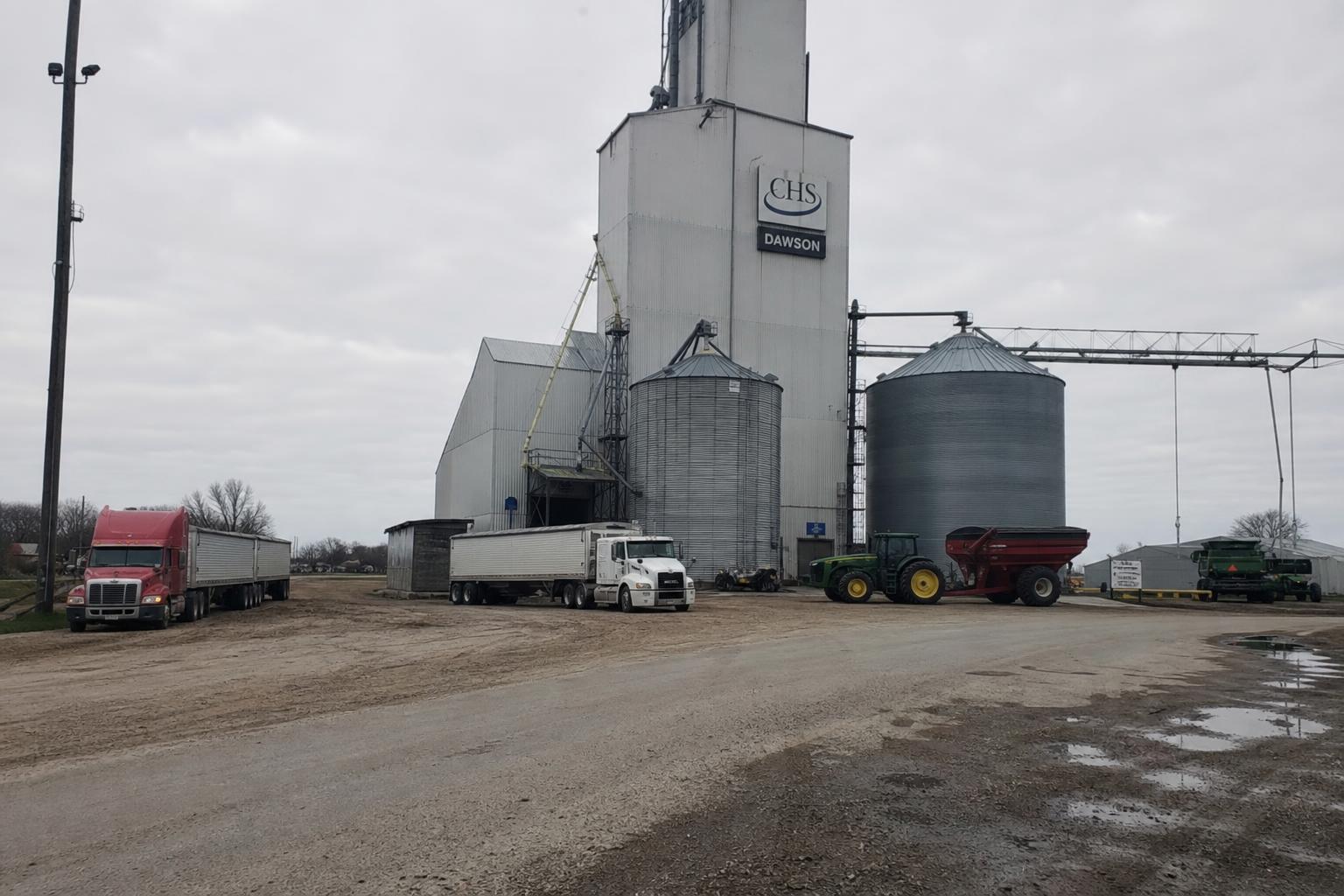
The recent closure of three CHS grain elevators in southeast Minnesota signals a shift in the regional grain market landscape. As consolidation concerns rise, local farmers now face increased logistical complexities and tighter profit margins.
Market Consolidation and Its Impacts
The decision by CHS to shutter these facilities is a response to changing market dynamics. With fewer local options for grain delivery, farmers must adapt by potentially traveling farther to access elevators that remain operational. This not only increases transportation costs but also complicates logistics during peak seasons.
Smaller players in the grain market may feel the squeeze even more, as they often lack the resources to absorb these added costs. This change could accelerate the trend toward larger farming operations, as smaller farms struggle to compete in a consolidated market.
Adjusting Strategies for Profitability
To manage these changes effectively, farmers need to consider diversifying their crop portfolios or expanding storage capabilities. As mentioned in previous reports, understanding crop reports and basis can help farmers make informed decisions about when to sell and transport their grain.
With recent market conditions, corn must sell at approximately $5 per bushel and soybeans at $11.50 to remain profitable. This puts pressure on farmers to optimize every aspect of their operations, from input costs to timing of sales.
Looking at Logistics
Transportation becomes a critical part of maintaining profitability in the current market. Aligning sales windows with available rail, barge, and truck capacities can reduce bottlenecks and improve efficiency. For more insights, see our article on matching sales windows to transportation capacity.
By strategically planning around logistics, farmers can mitigate some of the impacts of market consolidation and ensure that their operations remain viable.
What it means for the market
Grain market players in Minnesota must navigate increased transportation costs and logistical challenges due to facility closures. Strategic adjustments in crop management, timing, and transportation can help farmers overcome these hurdles, but the underlying shift toward consolidated market dynamics is likely to continue.
Comments
No comments yet - be the first to share your take.