
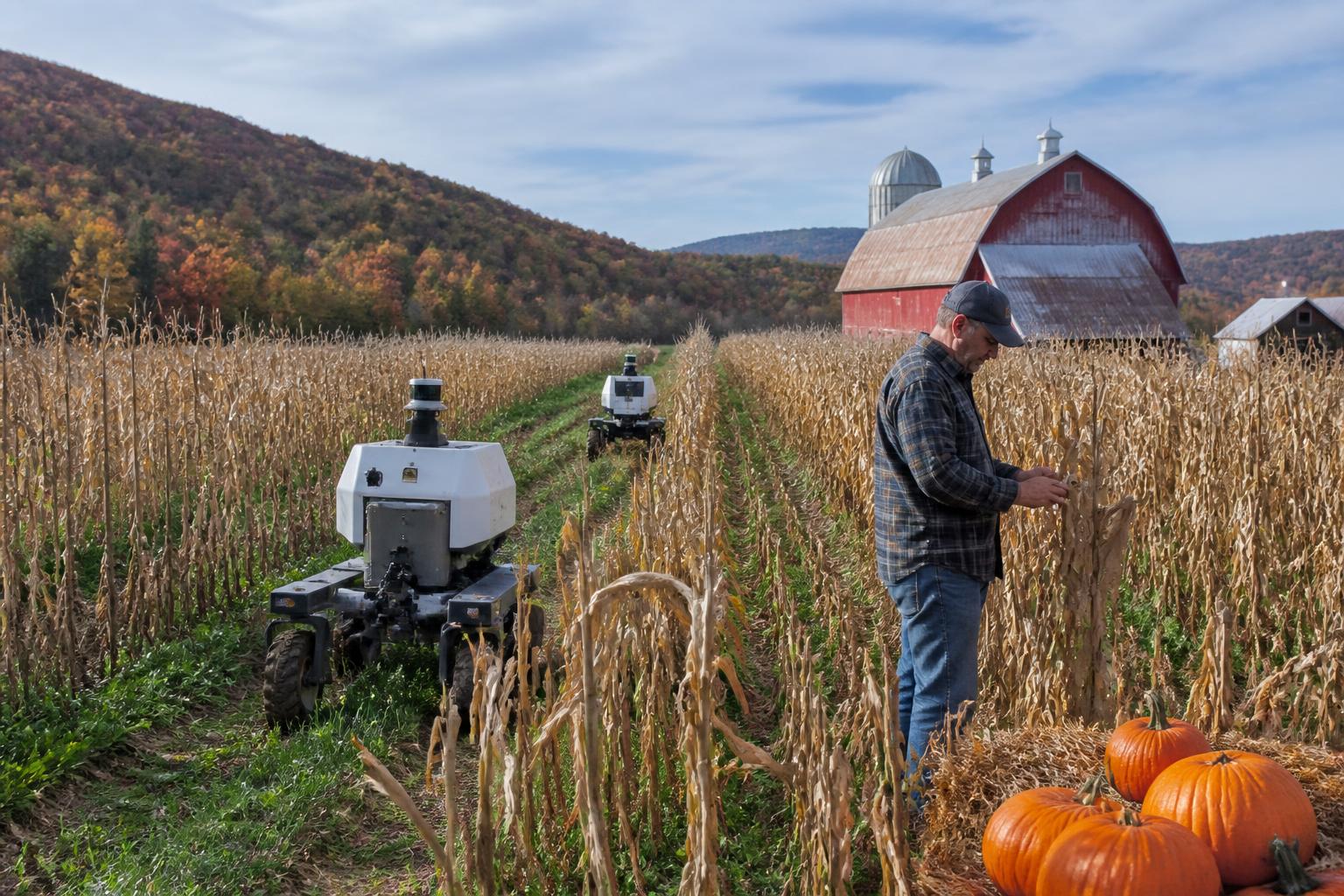
As the fall season takes hold across Pennsylvania, agricultural producers are shifting their focus toward post-harvest nutrient management and preparations for the next cropping cycle. With fluctuating weather patterns influencing regional soil health, many growers are evaluating their input requirements with a heightened emphasis on precision and efficiency. The Pennsylvania input outlook continues to evolve, as local farms seek to mitigate variable conditions that impact long-term fertility strategies.
Refining Input Precision in the Field
Modern farming practices in the state are increasingly integrating advanced tools to manage soil amendments more effectively. From robotic technology in cornfields to refined application techniques for specialized fertilizers, farmers are looking for ways to maximize yield while minimizing waste. This shift toward precision agriculture is supported by a growing emphasis on sustainability, ensuring that nutrients are applied exactly where they are needed most. Implementing these practices often requires a granular understanding of local soil profiles and seasonal timing, which can vary significantly from the rolling hills of the west to the fertile valleys in the east.
Logistics and Market Resilience
Beyond the field, the stability of the supply chain remains a key concern for Pennsylvania agribusinesses. Reliable access to essential inputs is critical for producers, particularly as they navigate potential challenges in balancing fertilizer needs and managing regional transport logistics. Strengthening these connections between feed mills, distributors, and farm gates is essential for maintaining operational momentum, especially as the state faces ongoing pressures in the broader agricultural market.
Maintaining Sustainable Production Cycles
As growers assess their seasonal outcomes, many are also looking at how to better integrate their nutrient management plans with broader conservation efforts. By prioritizing efficient resource use, producers can not only improve their bottom line but also contribute to the long-term viability of their land. Monitoring fertilizer efficiency through data-driven decisions provides a pathway to navigate the complexities of modern agriculture while addressing environmental stewardship.
What it means for the market
For Pennsylvania farmers and input suppliers, the current climate suggests a continued movement toward smarter, more responsive nutrient management. As the market adapts to localized pressures and technological advancements, those who prioritize efficiency and logistics planning are best positioned to maintain productivity. Growers should continue to work closely with local agronomists to align their autumn applications with specific field conditions and long-term soil health objectives.
Comments
No comments yet - be the first to share your take.