
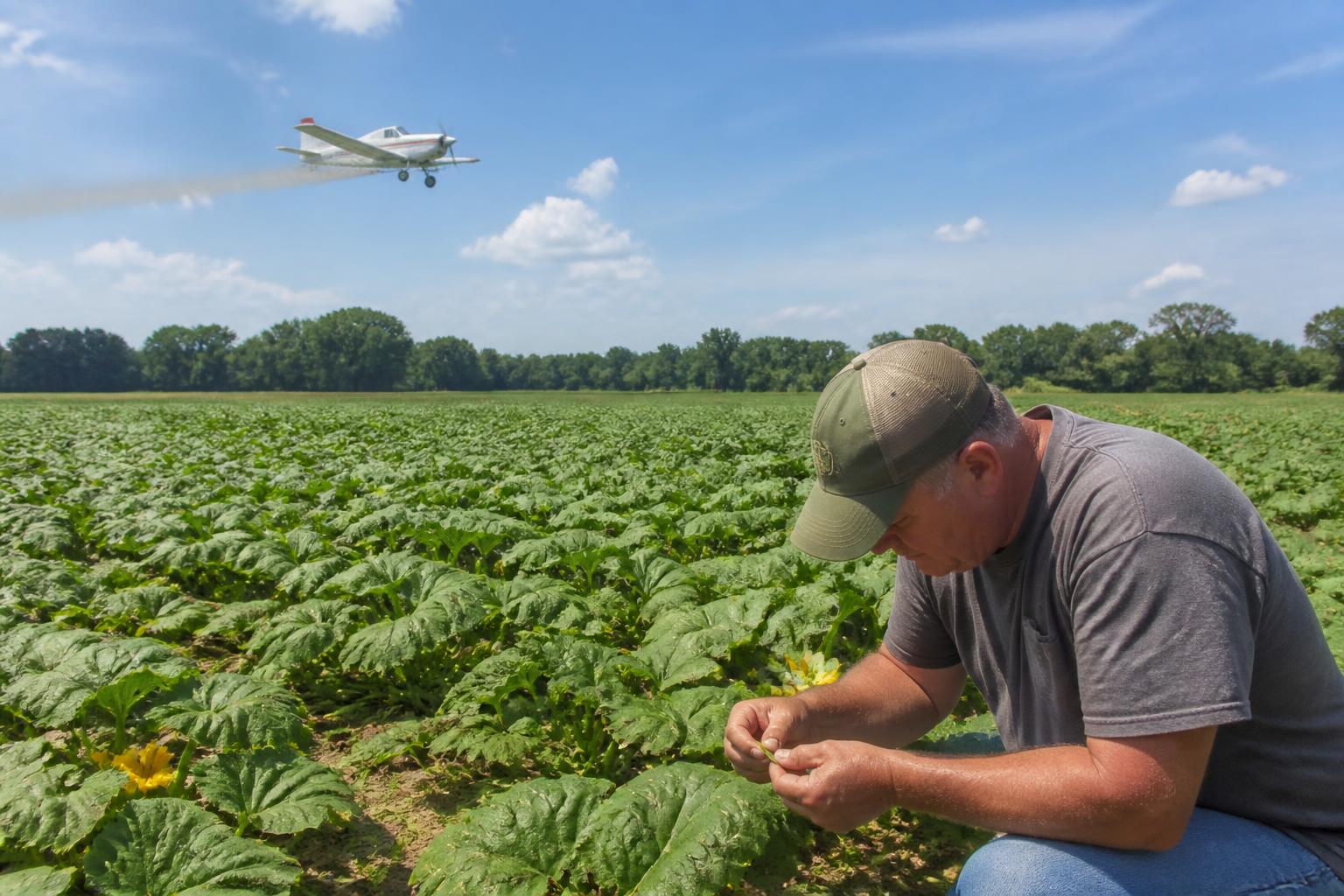
As New Jersey enters its peak summer agricultural season, Garden State growers and agribusinesses are balancing intensive field operations with new regulatory updates and evolving tech security needs. From local specialty crop orchards to extensive grain acreage, management practices are shifting to address ecological threats while protecting valuable on-farm assets during the busy summer surge in local markets.
Operational focus this season is split between hands-on pest suppression and securing high-value equipment. With state-level support for biosecurity ramping up, growers are adjusting their pest management routines while tightening security around advanced agricultural technologies like aerial spraying systems and monitoring drones.
Tackling Invasive Species with Policy and Action
Invasive pests continue to pose a direct threat to New Jersey's diverse agricultural sectors, particularly vineyards, nurseries, and fruit orchards. The legislative landscape took a major step forward with Governor Murphy signing the Landmark Invasive Species Management Act, which establishes a more structured state framework to combat non-native biological threats. This coordinated effort is designed to protect native ecosystems and commercial crops from destructive infestations.
On the ground, farmers are urged to remain vigilant against established pests like the spotted lanternfly. Practical control measures, such as identifying and scraping egg masses before they hatch, remain critical steps for crop protection. Extension specialists emphasize that early intervention in orchards and hardwood stands can prevent localized population booms that damage vine and tree health later in the summer.
Protecting High-Value Tech and Farm Capital
As precision agriculture becomes more integrated into daily operations, farm security has emerged as a key priority. Agricultural drones and advanced GPS-guided machinery represent significant capital investments. The vulnerability of these tools was highlighted by a recent incident in Dover, New Jersey, where stolen agricultural drones were successfully recovered by law enforcement. This case serves as a reminder for operators across the state to audit their tool sheds, implement GPS tracking, and secure storage yards during the high-traffic summer months.
Securing the capital needed for these technological and operational upgrades is also seeing structural shifts. The financial landscape for regional agricultural lending has consolidated, notable through the merger of Yankee Farm Credit into Farm Credit East. This merger provides a unified financial partner for growers in the Northeast, streamlining access to credit, equipment financing, and crop insurance programs vital for navigating volatile seasonal overhead costs.
Key Takeaways for New Jersey Growers
- Stay Compliant: Monitor local directives related to the Landmark Invasive Species Management Act to align farm biosecurity protocols with state resources.
- Eradicate Early: Keep up active monitoring and physical removal of spotted lanternfly egg masses to safeguard sensitive fruit crops.
- Secure Assets: Take proactive security measures for high-value farm tech, including agricultural drones and precision GPS systems, following recent regional thefts.
- Leverage Consolidated Credit: Utilize the expanded resources of regional lenders like Farm Credit East for summer equipment upgrades and cash-flow management.
What it means for the market
The combination of new invasive species policies and a heightened need for physical farm security underscores the complexity of modern New Jersey farming. Success this summer will depend on proactive management-both in the field, by controlling pest pressures before they impact crop yields, and in the farmyard, by securing high-value technological assets. As consolidated regional financial institutions provide targeted support, Garden State operators are well-positioned to protect their investments and maintain strong market supply throughout the season.
Comments
No comments yet — be the first to share your take.