
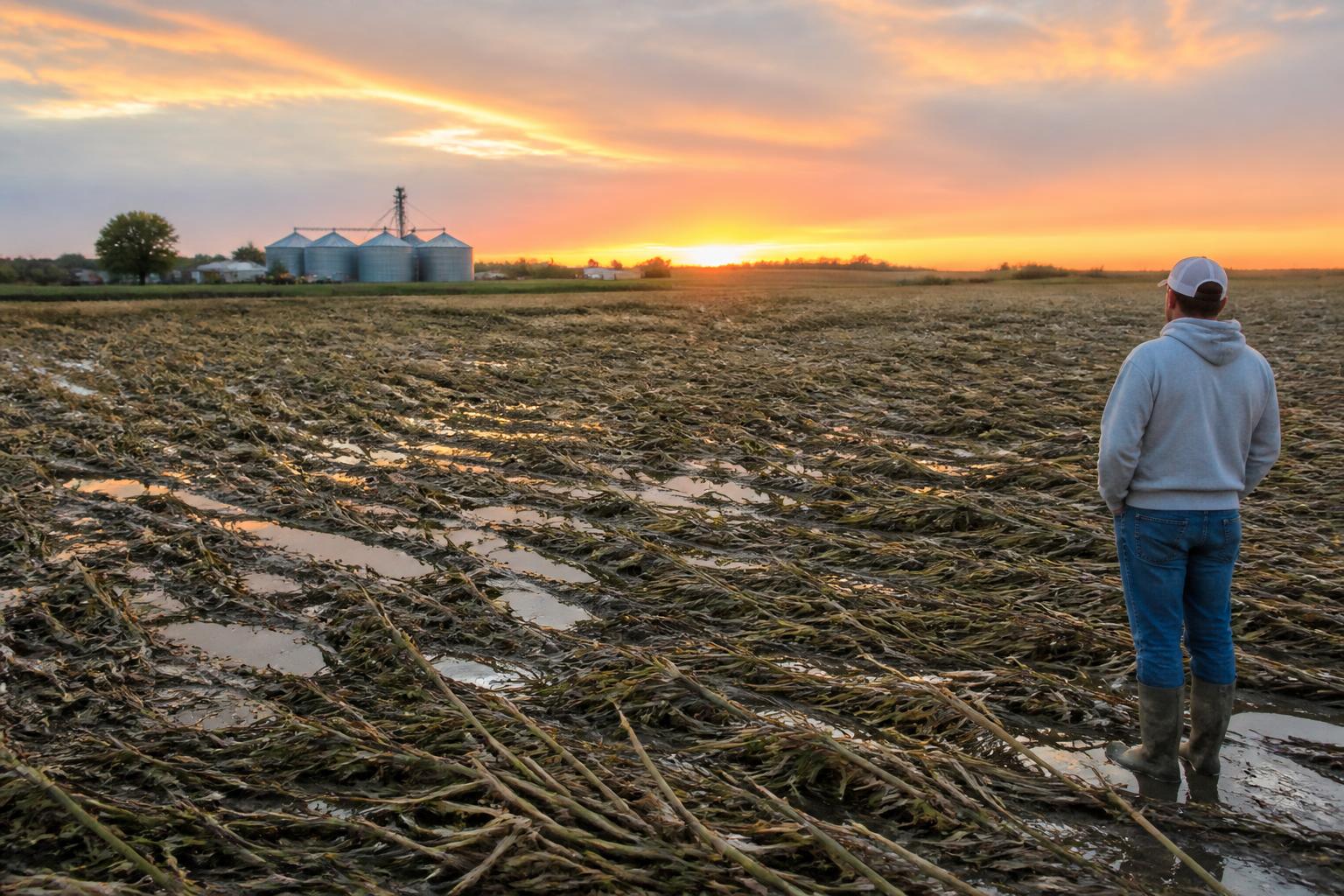
As Indiana farmers shift their focus toward the fall harvest, the agricultural landscape remains defined by significant volatility. Recent weather events have created localized challenges, with some regions contending with the aftermath of severe storms that caused crop damage and field flooding. These conditions may complicate logistics and field access for operators across the state, necessitating careful planning as the season progresses.
For grain handlers and producers, the current market environment demands a sharpened focus on both asset protection and financial management. With grain prices showing signs of instability and some producers facing pressure from high debt loads, the focus remains on operational efficiency. Tracking local grain markets is increasingly critical for managing margins during this high-intensity period, as operators look to navigate potential price fluctuations.
Adapting to Operational Pressures
The broader Hoosier agricultural sector is undergoing a period of transition. In some areas, producers are dealing with the impact of shifting tax exemptions, which may alter cost structures and influence planting or marketing decisions for the coming year. These financial adjustments come at a time when many in the industry are already optimizing their operations through soil health initiatives and conservation practices to improve yield consistency.
Meanwhile, regional agribusinesses and logistics providers are adjusting to ongoing shifts in industrial demand. The recent closure of major processing infrastructure serves as a reminder of the need for robust supply chain diversification. Producers may need to keep a close watch on regional throughput capacity as they finalize their storage and transport strategies. Staying informed on these trends is essential for navigating the current mid-season weather and logistical landscape effectively.
Looking Ahead
While challenges such as weather-related damage and market uncertainty persist, Indiana remains at the forefront of agricultural innovation. Continued investment in climate-smart production and agbioscience is helping to build resilience into the state’s food systems. For those managing complex late-summer and early fall operations, balancing short-term tactical decisions with long-term soil health and financial stability remains the priority.
What it means for the market: For the Indiana grain sector, the next few weeks will be pivotal. Farmers should prioritize equipment maintenance to handle potentially difficult field conditions while keeping a close eye on local basis levels. Monitoring regional elevator capacity and logistics constraints will be necessary to mitigate the risks posed by shifting demand and unpredictable weather patterns.
Comments
No comments yet - be the first to share your take.