
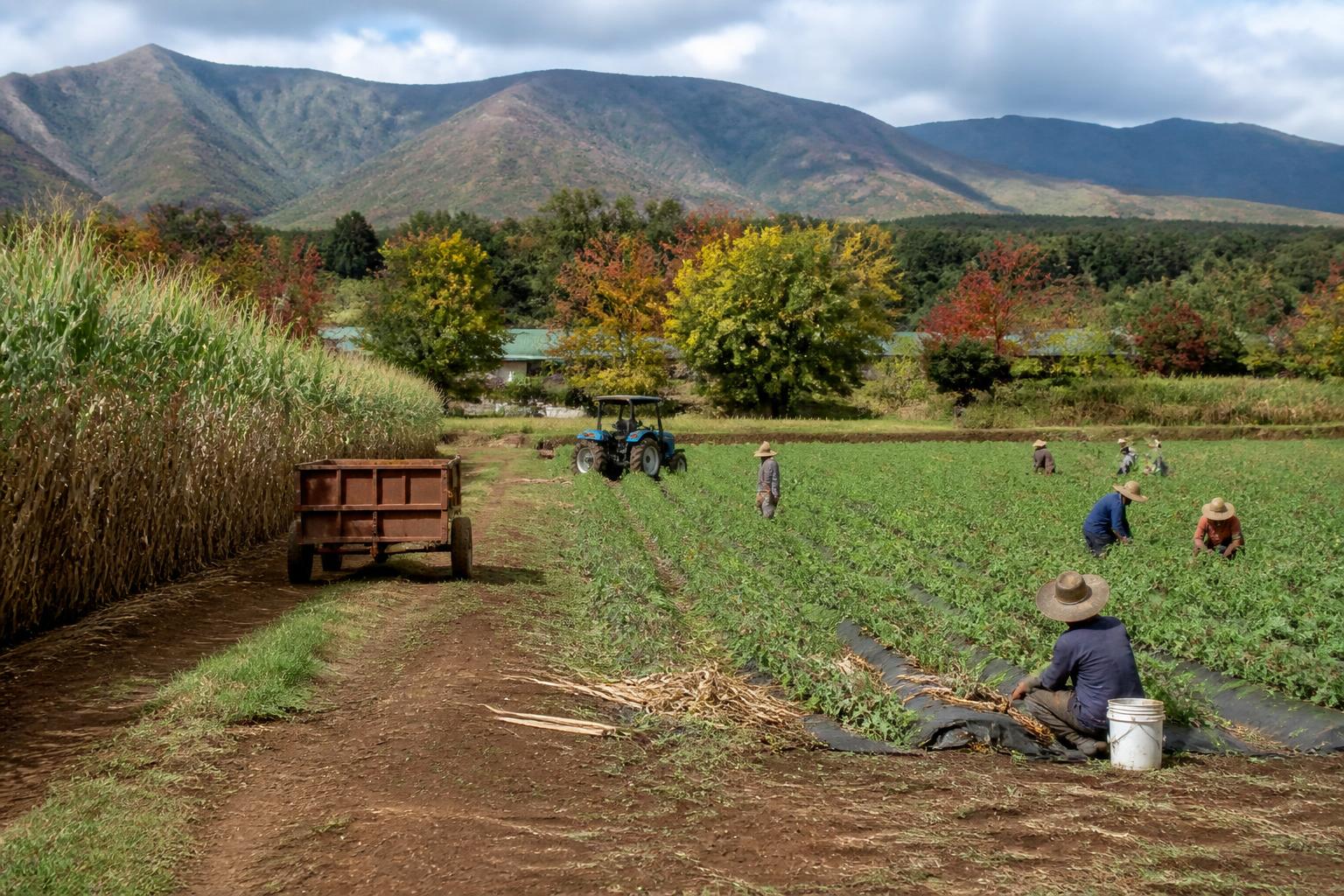
Adapting Nutrient Management in a Changing Landscape
For agricultural producers across Hawaii, the transition into the fall season often brings a renewed focus on soil vitality. Maintaining optimal nutrient levels is essential, especially as the state's agricultural sector navigates long-term shifts in land use and environmental stressors. Whether managing diversified crops or larger nursery operations, consistent monitoring remains a foundational practice for sustaining yields.
As operations look toward future cycles, utilizing resources such as evidence-based soil health and nutrient management strategies can provide a necessary buffer against unpredictable weather patterns and supply chain fluctuations. With the recent expansion of testing services for producers, particularly those managing fields impacted by seasonal weather events, now is an opportune time to reassess baseline soil fertility and adjust application rates accordingly.
The Role of Integrated Input Strategies
Beyond traditional chemical applications, the interest in biological solutions and organic soil amendments continues to grow across the islands. From exploring agroforestry techniques to incorporating composts that enhance soil structure, producers are diversifying their toolkit to minimize dependency on external inputs. This trend reflects a broader move toward long-term land stewardship, ensuring that the soil base remains productive for future generations of Hawaii farmers.
However, the shift toward these methods requires careful calibration. Unlike conventional fertilizers, biologicals often perform best when integrated into a comprehensive management plan that accounts for local microclimates and specific crop requirements. Producers are encouraged to keep detailed records of performance, as these localized insights can significantly improve nutrient use efficiency over time.
What it means for the market
For agribusinesses and input buyers, the evolving demand for high-quality soil amendments and testing services points to a more technical, data-driven future for Hawaii agriculture. As growers move away from generic application models, the market is likely to see sustained interest in specialized products that bridge the gap between traditional and regenerative practices. Adapting your inventory or service offerings to support this localized, high-touch approach may offer a competitive advantage in a state where farm efficiency and environmental resilience are increasingly intertwined.
Comments
No comments yet - be the first to share your take.