
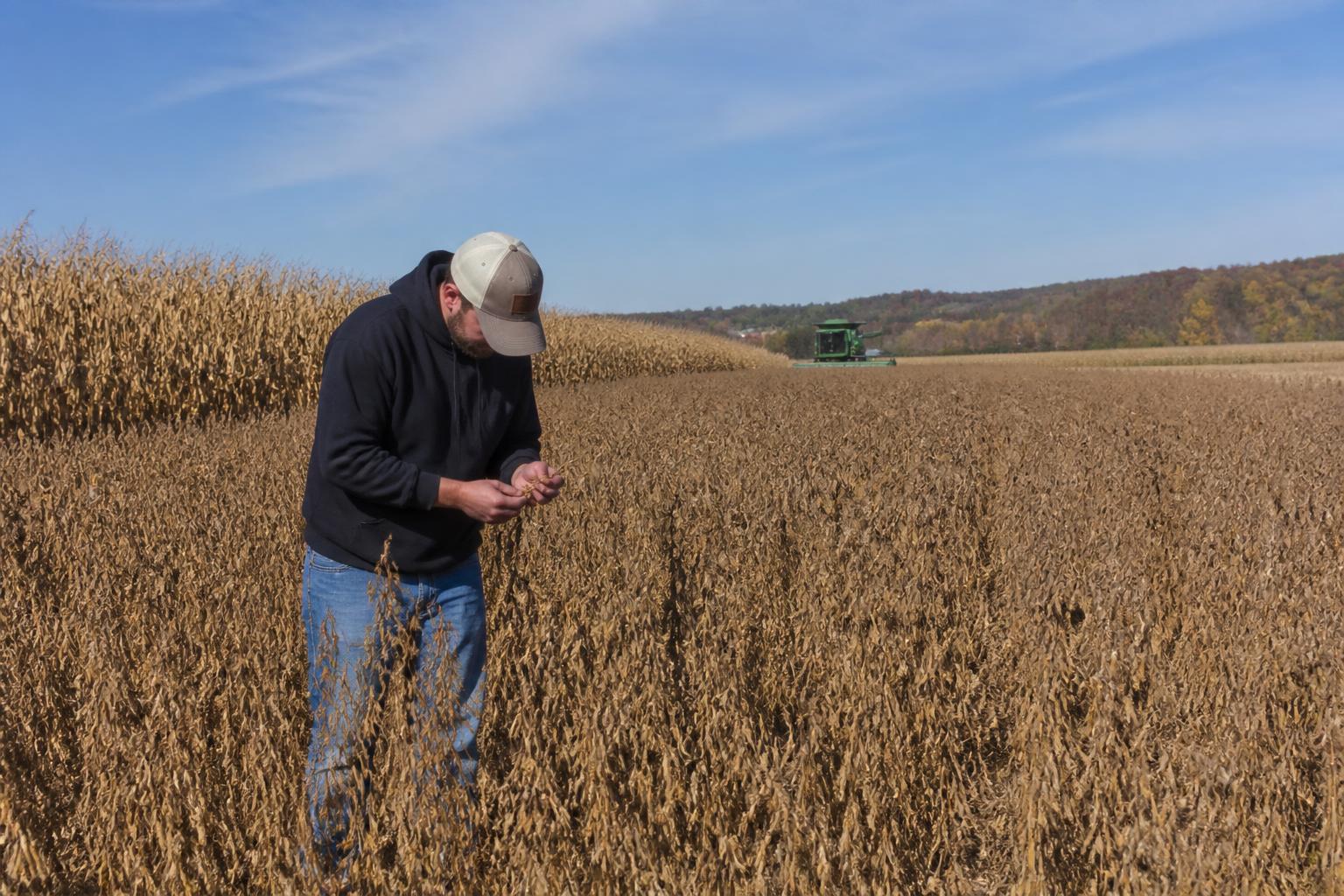
As the fall harvest season gathers momentum across Delaware, growers in regions like Kent and Sussex counties are adjusting to a shifting market environment. While local fields show progress, the broader agricultural landscape is increasingly influenced by global price movements and energy-related supply chain uncertainties. Farmers are currently navigating a environment where export demand and domestic pricing trends often diverge, requiring careful planning for grain storage and marketing decisions.
Managing Input and Input Cost Volatility
For Delaware agribusinesses, the stability of farm inputs remains a primary concern. Potential global supply chain disruptions continue to pose risks to the availability and cost of fertilizers and crop protection products. Growers who have been managing fertilizer price fluctuations throughout the season are now turning their attention toward securing supplies for future cycles. Producers are encouraged to maintain close communication with local cooperatives and suppliers to monitor regional inventory levels as international energy markets keep upward pressure on input expenses.
Navigating Commodity Price Swings
Recent volatility in grain markets has heightened the need for precise marketing strategies. As corn and soybean harvest progresses, many Delaware elevators are reporting that producers are closely analyzing the impact of market shifts on their bottom lines. With international shipping tensions occasionally complicating logistics, local grain handlers suggest that staying informed on both terminal pricing and regional logistics constraints is essential for optimizing revenue during this busy window.
Key Takeaways:
- Monitor local elevator pricing daily as harvest volume increases throughout September.
- Prioritize securing necessary inputs early to mitigate risks from potential global supply chain tightening.
- Utilize available state resources to assess crop insurance options and competitiveness for upcoming specialty crop cycles.
What it means for the market: The current blend of seasonal harvest pressure and global geopolitical uncertainty suggests that Delaware producers should remain agile. By balancing on-farm storage capabilities with proactive input purchasing, farmers can better insulate their operations from the price swings that are currently defining the national grain sector.
Comments
No comments yet - be the first to share your take.