
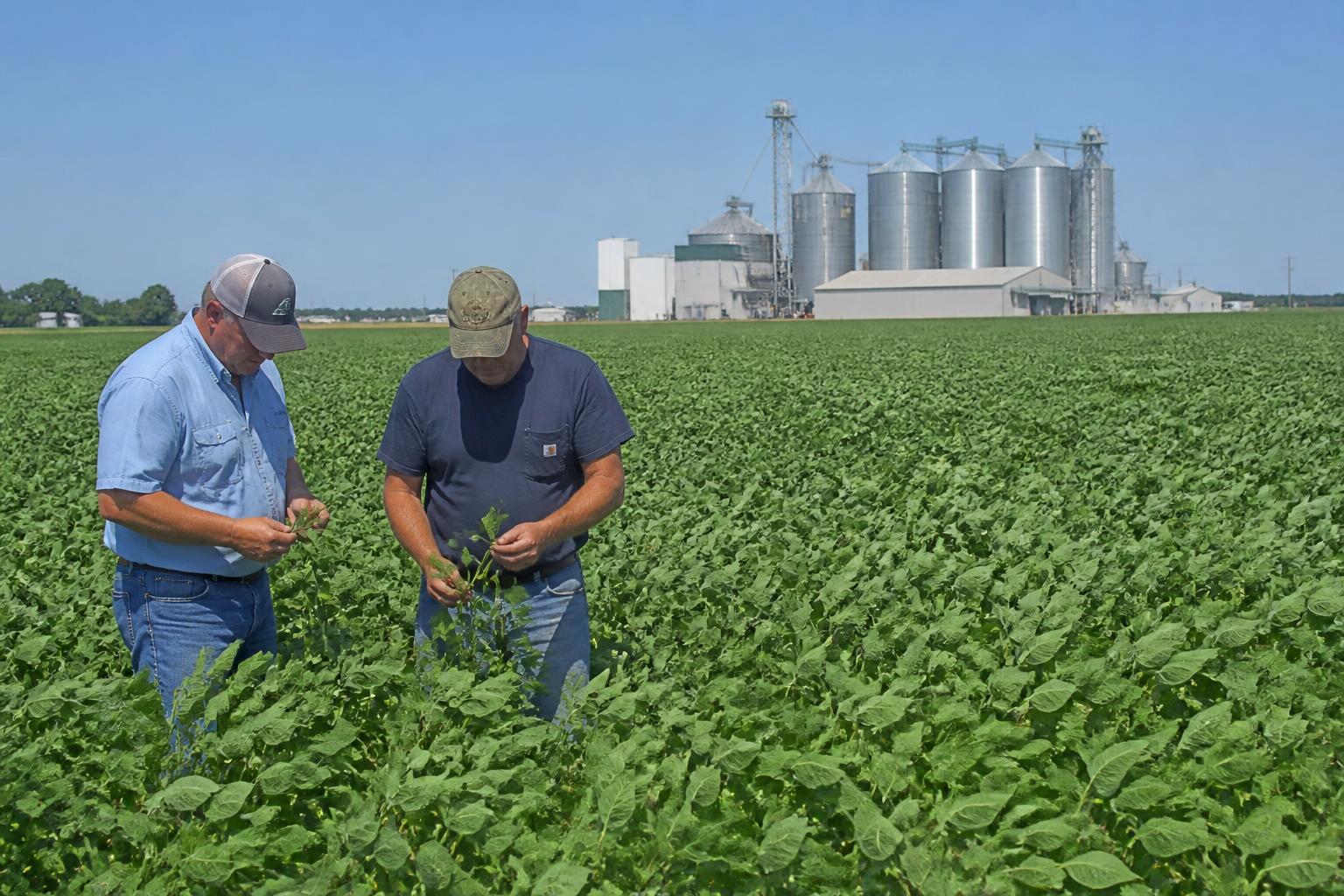
As summer settles across the Northern Plains, South Dakota grain handlers, elevator networks, and growers are analyzing new shifts in local demand patterns. While crop development progresses through June, the state's processing landscape is experiencing a major structural upgrade. The opening of South Dakota Soybean Processors' (SDSP) historic multi-seed processing plant in Mitchell is already altering localized grain and oilseed flows, offering producers more options right in their backyard.
For South Dakota agribusinesses, this development comes at a critical time. Local logistics, crop rotations, and marketing strategies are adjusting to accommodate the newly added crushing capacity. Combined with seasonal weather patterns and farm-level efficiency upgrades, the regional grain market is entering the summer of 2026 with a highly dynamic outlook.
The Mitchell Facility: Expanding Regional Demand and Crusher Options
The launch of the multi-seed processing facility in Mitchell, South Dakota, represents a monumental shift for growers along the Interstate 90 corridor and throughout the southeastern and central parts of the state. Traditionally, a significant portion of South Dakota's oilseeds had to be trucked longer distances to out-of-state facilities or major terminal markets. This new plant provides a localized, high-capacity destination for both soybeans and alternative oilseed crops.
By shortening haul distances, the facility is expected to reduce logistics expenses and support local basis. For producers evaluating their crop rotations and market access, this added demand hub provides a critical cushion against broader export market volatility. Elevators and independent grain haulers are already adjusting their seasonal routes to streamline deliveries to the Mitchell hub as the season progresses.
On-Farm Upgrades and Conservation Driving Efficiency
In addition to commercial processing expansions, South Dakota operators are focusing on grain system upgrades and soil health initiatives to maximize their returns. Across the state, many growers are investing in modernized farm-level grain handling setups to save valuable time and reduce labor constraints during busy seasonal windows. Automated drying systems, high-capacity augers, and improved bin storage allow operations to bypass long elevator lines during peak harvest times and maintain control over their physical grain quality.
Simultaneously, conservation practices continue to yield dividends in the field. Many regional operations utilizing no-till and cover crop systems are reporting better soil structure and moisture retention, which is particularly vital during the hot, dry stretches of summer. These practices help stabilize yields, ensuring that growers have a more consistent volume of high-quality grains to market, whether they are navigating the South Dakota corn market or looking to hedge their oilseed positions.
Managing Risk in a Volatile Summer Environment
While local processing capacity is expanding, regional market players remain vigilant regarding financial risks. Recent grain dealer bankruptcies in neighboring states like Nebraska serve as a stark reminder of the credit and counterparty risks inherent in today's agricultural economy. This has prompted South Dakota grain managers to emphasize strong risk management and careful vetting of marketing contracts.
Additionally, farmers are closely tracking weather-driven price movements. Staying informed on feed demand and adjusting marketing plans to account for seasonal wheat movements can help operators mitigate sudden price drops while managing seasonal volatility in South Dakota's wheat market. Elevators are expected to maintain competitive bidding structures to secure local bushels as the competition for summer-delivered grain intensifies.
Key Takeaways for South Dakota Operators
- New Processing Destination: The SDSP multi-seed facility in Mitchell creates a major localized demand hub, potentially strengthening regional oilseed basis.
- Logistics Adjustments: Haulers and elevators along major corridors like I-90 may see altered traffic patterns and shortened haul routes.
- Operational Resilience: On-farm grain system upgrades and soil-moisture preservation through cover crops remain essential tools for combating summer weather pressures and managing labor.
- Counterparty Diligence: High-profile regional dealer insolvencies underscore the importance of securing reliable contracts and monitoring the financial health of buyers.
What it means for the market
The expansion of processing capacity in Mitchell introduces a structural shift that will likely support South Dakota's interior cash prices over the long term. This summer, growers should closely monitor local processor bids against terminal elevator cash prices to capture the best margins. As field conditions evolve through the hot summer months, keeping grain handling systems efficient and counterparty risks low will be key to navigating this changing market landscape.
Comments
No comments yet — be the first to share your take.