
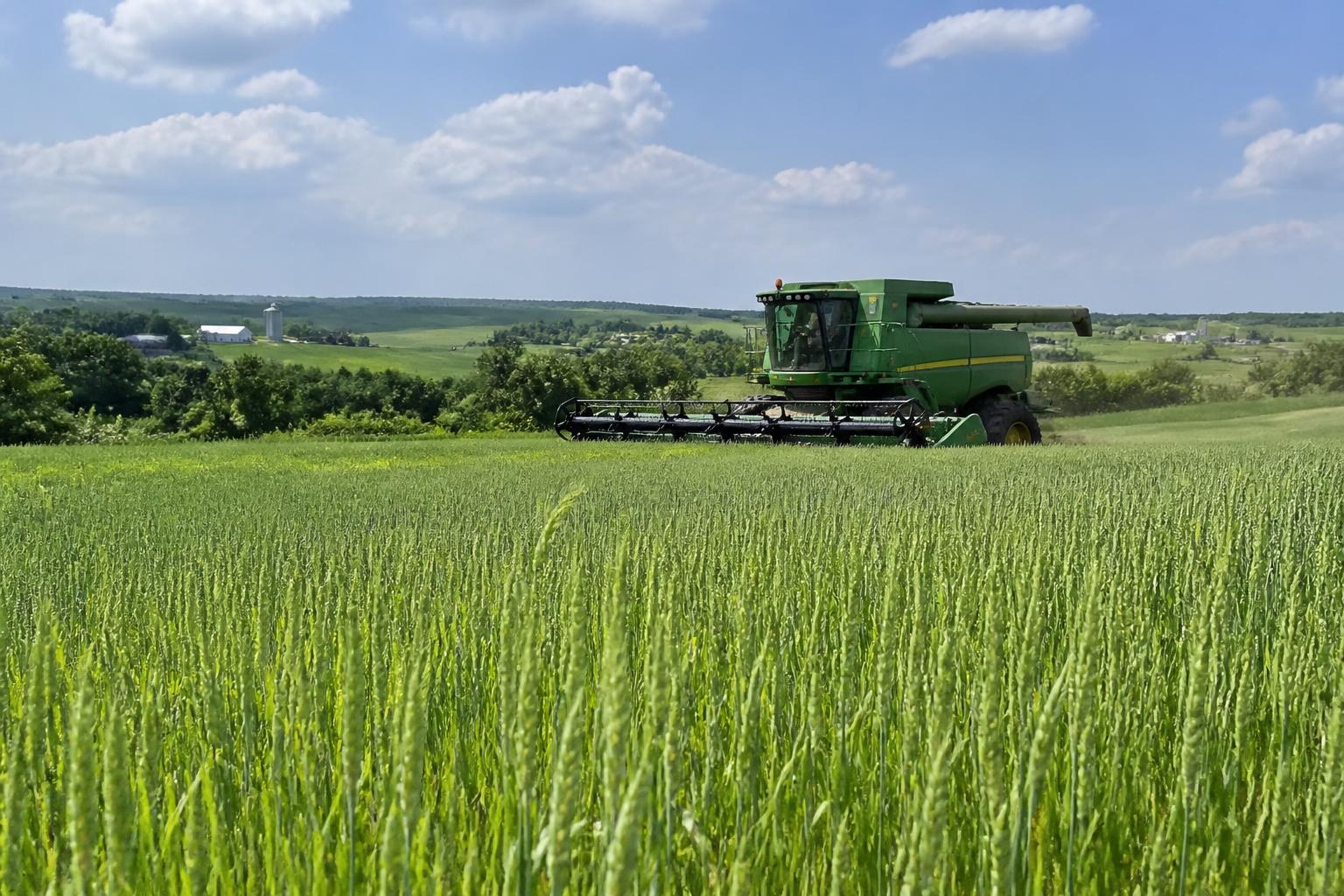
Texas wheat producers are navigating a complex agricultural landscape as they enter the peak of the summer season. While crop conditions across parts of Texas and Oklahoma have recently looked better than initially expected, finishing out a high-performing crop remains highly dependent on timely moisture. Farmers are forced to balance these environmental variables against a backdrop of historically high input costs, even as select fertilizer markets offer minor relief.
Adapting to Weather Extremes and Field Conditions
Weather variability across Texas requires growers to remain highly adaptable during the summer harvest. In some wetter regions, field conditions have forced producers to adjust their operational strategies, such as utilizing tracked combines to navigate soggy fields, avoid getting stuck, and protect soil structures from compaction. Conversely, in drier areas of the Southwest, timely rainfall remains extremely important to finish out the wheat crop and secure viable test weights.
Agronomic decisions made early in the season continue to drive harvest outcomes. Selecting the right planting dates and seed varieties is a critical first step for Southwest wheat growers looking to mitigate seasonal weather risks. For producers across major growing regions, navigating summer harvest logistics requires a delicate balance of machinery readiness, labor availability, and local weather forecasting.
Input Costs and Breeding Innovations
While general input costs for agriculture are expected to remain high, there is a glimmer of relief in the fertilizer sector. Recent retail data indicates that five of the eight major fertilizers have trended lower in price compared to last month. This slight reprieve is a welcome development for Southwest wheat farmers who are constantly weighing crop investment risks and determining how to allocate capital for upcoming cycles.
To help growers manage these financial and environmental pressures, public research initiatives continue to deliver targeted solutions. The Texas A&M breeding program recently released new wheat and triticale varieties designed to withstand local pest and climate pressures. These genetic advancements provide growers with critical tools to maximize yields, especially during periods when high wheat prices incentivize producers to push Texas and overall U.S. wheat acreage upward. However, managing these genetic options effectively is key when managing input costs alongside harvest expectations.
Strategic Planning and Market Alignment
With better-than-expected wheat conditions reported in parts of the Southern Plains, crop potential looks promising, yet profitability remains tightly tied to local basis levels and transport efficiency. Growers must keep a close eye on transport routes and storage availability as the summer harvest progresses. To maximize their margins, many operators are closely tracking regional drought conditions and basis fluctuations to identify optimal delivery windows.
What it means for the market
For Texas grain handlers, elevators, and wheat growers, the current summer market demands strict cost control and operational agility. While better crop conditions and modest drops in some fertilizer prices offer positive signs, the overall high-cost environment means profit margins remain narrow. Utilizing resilient crop varieties, staying flexible with harvest machinery, and monitoring localized basis shifts will be crucial for operations looking to turn summer yields into profitable bottom lines.
Comments
No comments yet - be the first to share your take.