
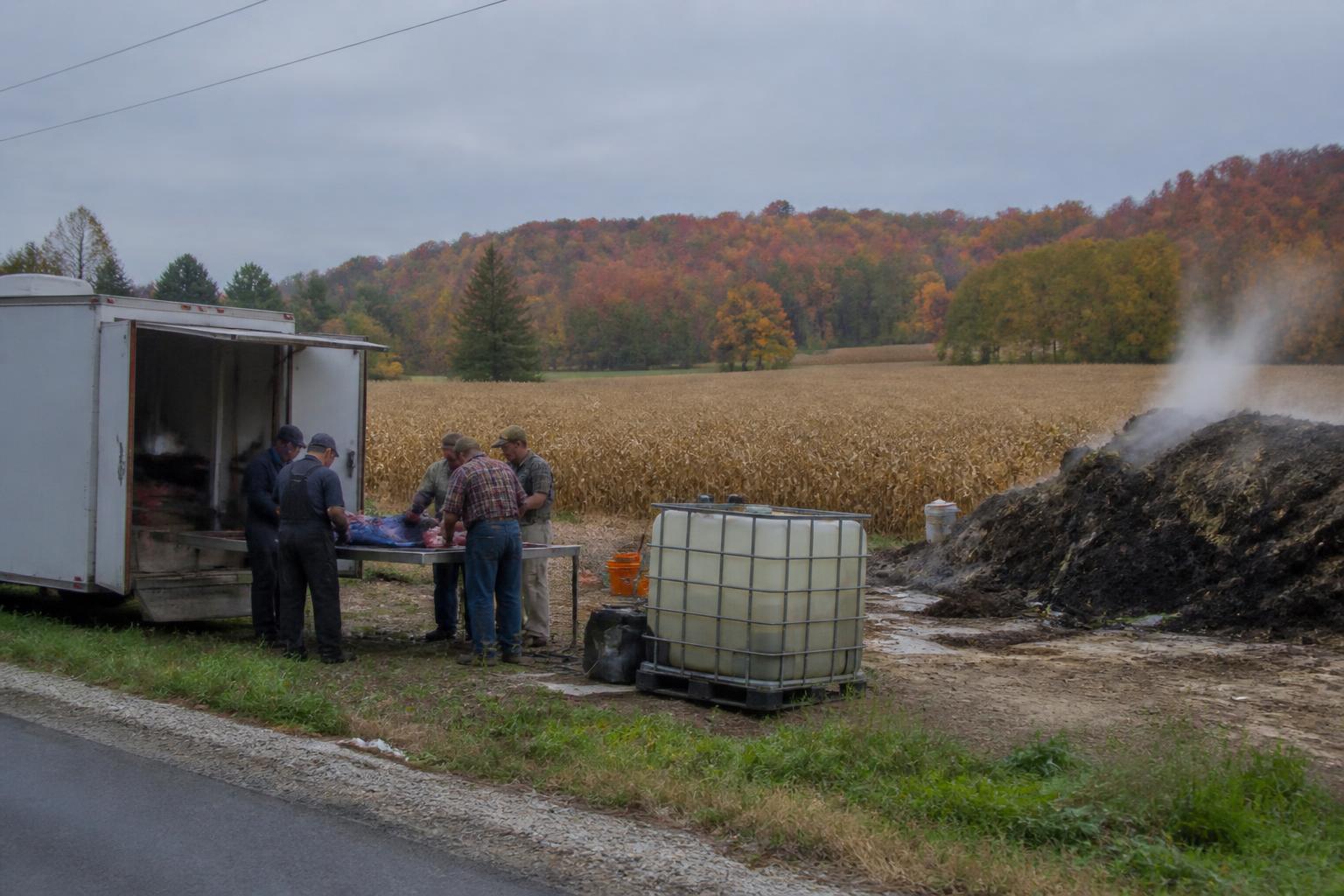
As the fall season brings critical planning for soil enrichment across Rhode Island, agricultural producers face a complex landscape of input quality and safety. While many operations look toward organic or recycled alternatives to boost yields, recent reports indicate that some products marketed as garden fertilizer may contain unintended toxic chemicals. This has prompted local growers to reconsider the provenance of their soil amendments to protect long-term land productivity.
For those managing smaller plots or intensive greenhouse operations in areas like Washington County, the reliance on third-party organic waste streams for soil health requires increased vigilance. Ensuring that amendments meet rigorous safety standards is vital, as contaminated inputs can have lasting effects on vegetable and forage quality. Growers are encouraged to verify supplier testing documentation before widespread application.
Supply Chain Shifts and Future Alternatives
The global and regional supply environment remains in flux. While specialized sectors like Rhode Island harvest logistics continue to demand high efficiency, the fertilizer market is also seeing interest in alternative nutrient sources. From fungal treatment innovations to marine-based nutraceuticals currently under study at the University of Rhode Island, the state is becoming a hub for research into sustainable, localized input production that could eventually reduce dependence on traditional, volatile supply chains.
Strategic Planning for the Season Ahead
Looking ahead, producers should integrate input procurement into their broader risk management strategy. This includes auditing current storage facilities and ensuring that upcoming deliveries align with local transport capacity during the peak of Rhode Island logistical transitions. As state and federal agencies refine their approach to disaster preparedness and land management, maintaining clear communication with local extension offices can provide a buffer against unexpected supply disruptions or regulatory shifts.
What it means for the market: The shift toward safer, more transparent fertilizer sourcing is becoming a competitive advantage for Rhode Island farms. By prioritizing certified inputs and keeping a pulse on regional research into sustainable alternatives, growers can better mitigate the risks associated with contaminated products while positioning their operations for long-term resilience in a changing agricultural economy.
Comments
No comments yet - be the first to share your take.