
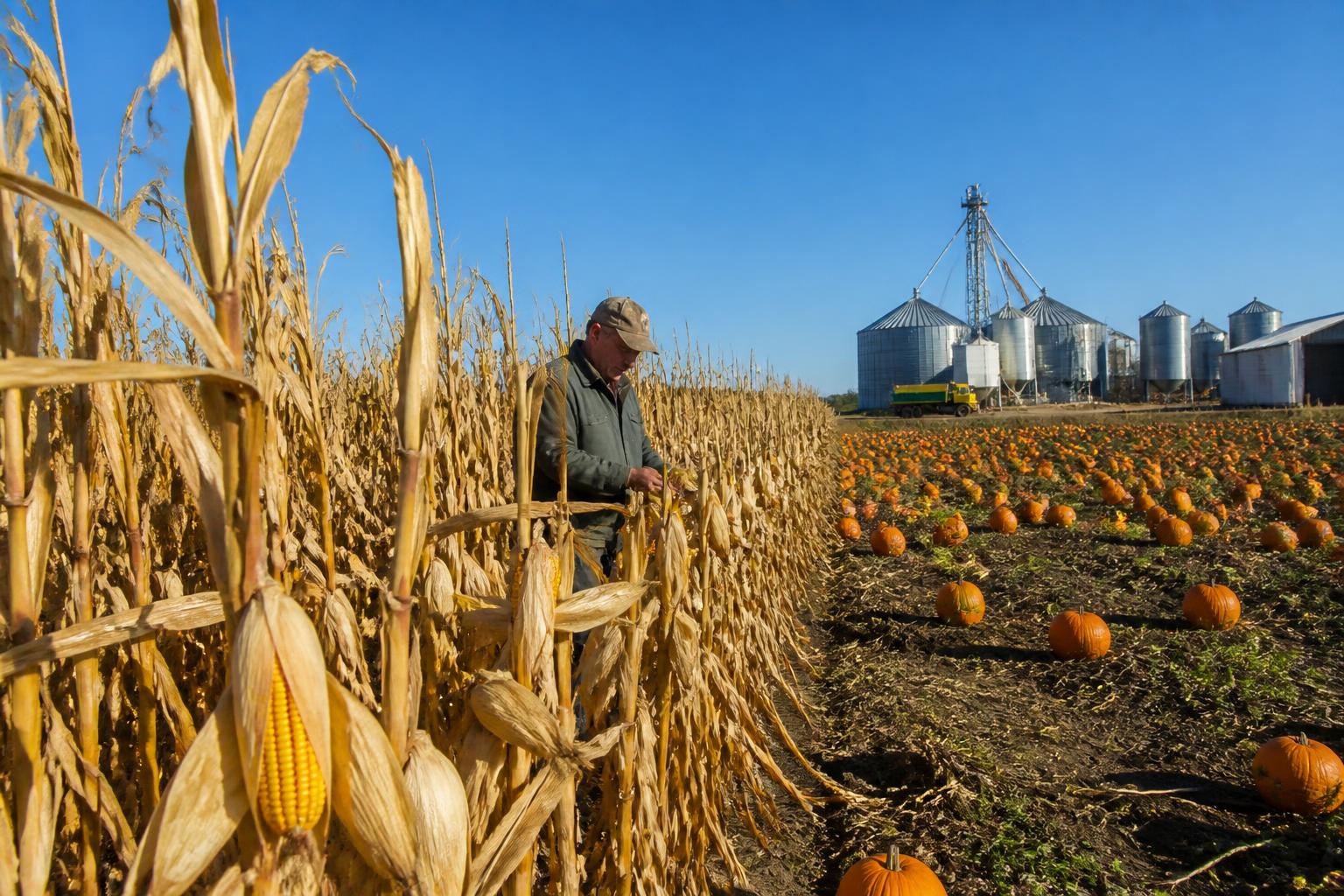
As the fall harvest momentum builds across Minnesota, local producers are facing a complex landscape defined by shifting cash bids and ongoing uncertainty in the grain markets. With combine activity increasing across the state, from the fertile fields of the Red River Valley to the southern corn-growing regions, agribusinesses and growers are balancing immediate logistics with a cautious look at long-term profitability.
For those managing operations in this environment, navigating current market shifts and land stability is essential. Recent discussions at regional industry events have highlighted the necessity of fine-tuning input strategies, particularly regarding seeding rates, to ensure that yield potential is protected even when price premiums are slim.
Adapting to a Shifting Grain Economy
The current market cycle has prompted many producers to re-evaluate their operational resilience. With discussions continuing on whether regional price lows have stabilized, grain handlers and farmers alike are prioritizing efficient asset management and risk mitigation. For those looking to optimize their workflow, focusing on operational efficiency remains a critical pillar of surviving the current downturn.
Strengthening Regional Infrastructure
Infrastructure and cooperative strength continue to play a pivotal role in how Minnesota farmers navigate global trade challenges and local supply chain hurdles. Industry analysts are closely watching potential consolidations, such as the ongoing discussions regarding regional logistics and cooperatives, which may reshape how grain moves from the elevator to the processor. As harvest activity accelerates, maintaining clear communication with local transit partners will be vital to keeping equipment moving and managing seasonal congestion.
What it means for the market
The takeaway for Minnesota agribusinesses is clear: agility is the most valuable commodity this fall. Producers should prepare for continued price volatility by focusing on cost control and leveraging local cooperative resources to manage storage and transportation. By tightening operational efficiencies now, farmers can better position themselves to absorb market fluctuations as the 2026 harvest concludes.
Comments
No comments yet - be the first to share your take.