
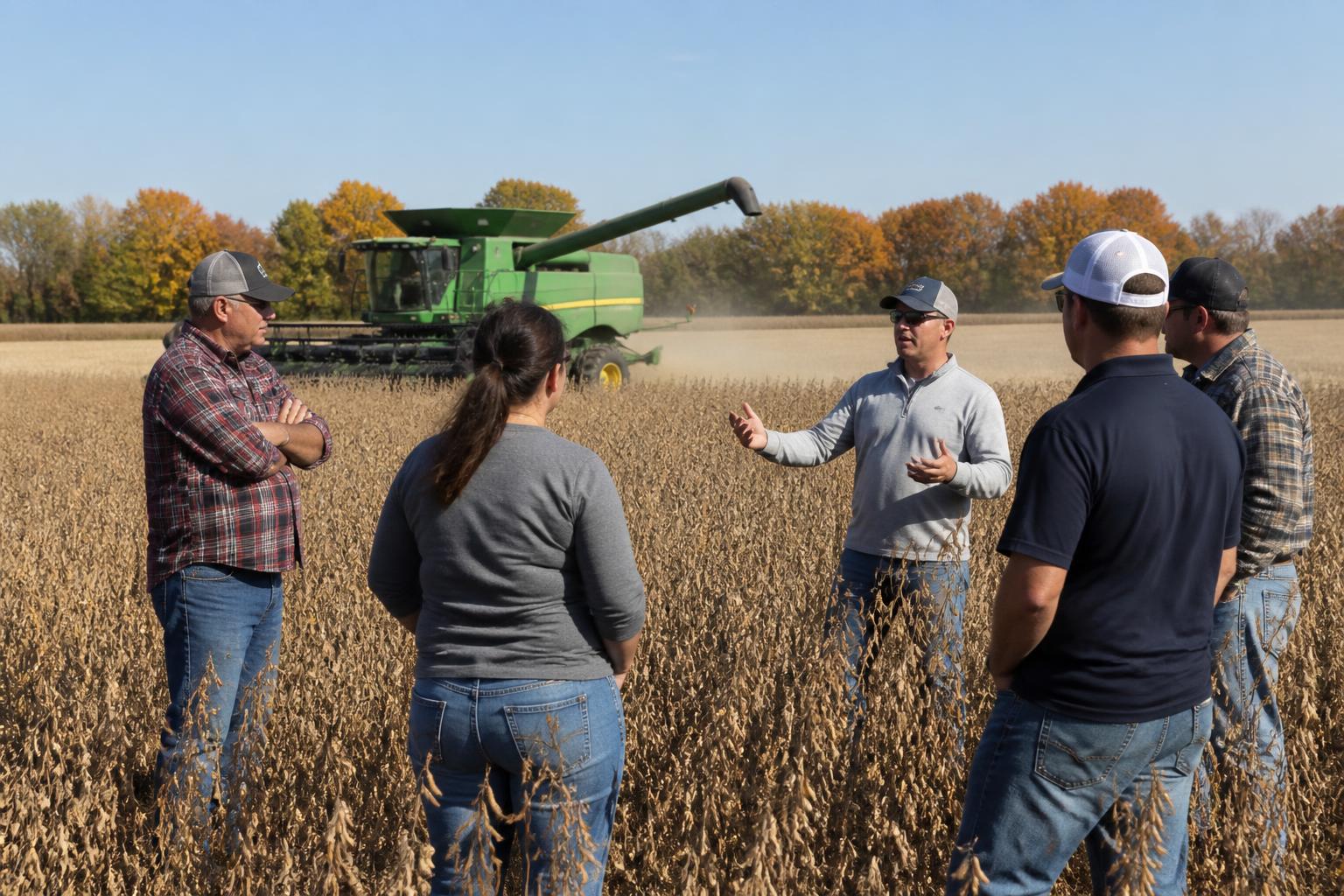
As the fall harvest season gains momentum across Minnesota, grain handlers and farmers are adjusting to a complex landscape of storage availability and regional transit logistics. Recent industry reports highlight significant shifts in local capacity, including the management of grain flow as specific storage facilities undergo changes. For many operators, maximizing efficiency during these critical weeks remains the primary objective.
Managing Storage and Infrastructure Shifts
The recent closure of specific grain elevators has left millions of bushels of potential storage in flux, requiring growers to rethink their delivery and storage strategies early in the season. With harvest activity intensifying, the ability to leverage diverse local grain outlets is becoming a key factor in maintaining operational margins. Producers are increasingly encouraged to monitor local elevator capacity and evaluate alternative logistics chains before the peak of the seasonal rush.
Technology and Operational Adjustments
Beyond traditional storage, farmers are integrating new tools to manage field productivity and soil health. Recent developments in biological crop protection and updated hardware repair policies offer producers more agency over their equipment and input costs. Whether navigating weed resistance with new herbicide options or adopting precision practices to lower overhead, Minnesota agribusinesses are actively refining their workflows to meet current market demands.
What it means for the market
The combination of evolving storage infrastructure and broader market pressures means that logistics planning is no longer a secondary consideration. As the fall harvest proceeds, success for many Minnesota operations will depend on early communication with buyers and a proactive approach to regional logistics and operational efficiency to mitigate the impact of capacity fluctuations and ensure a smooth transition from field to market.
Comments
No comments yet - be the first to share your take.