
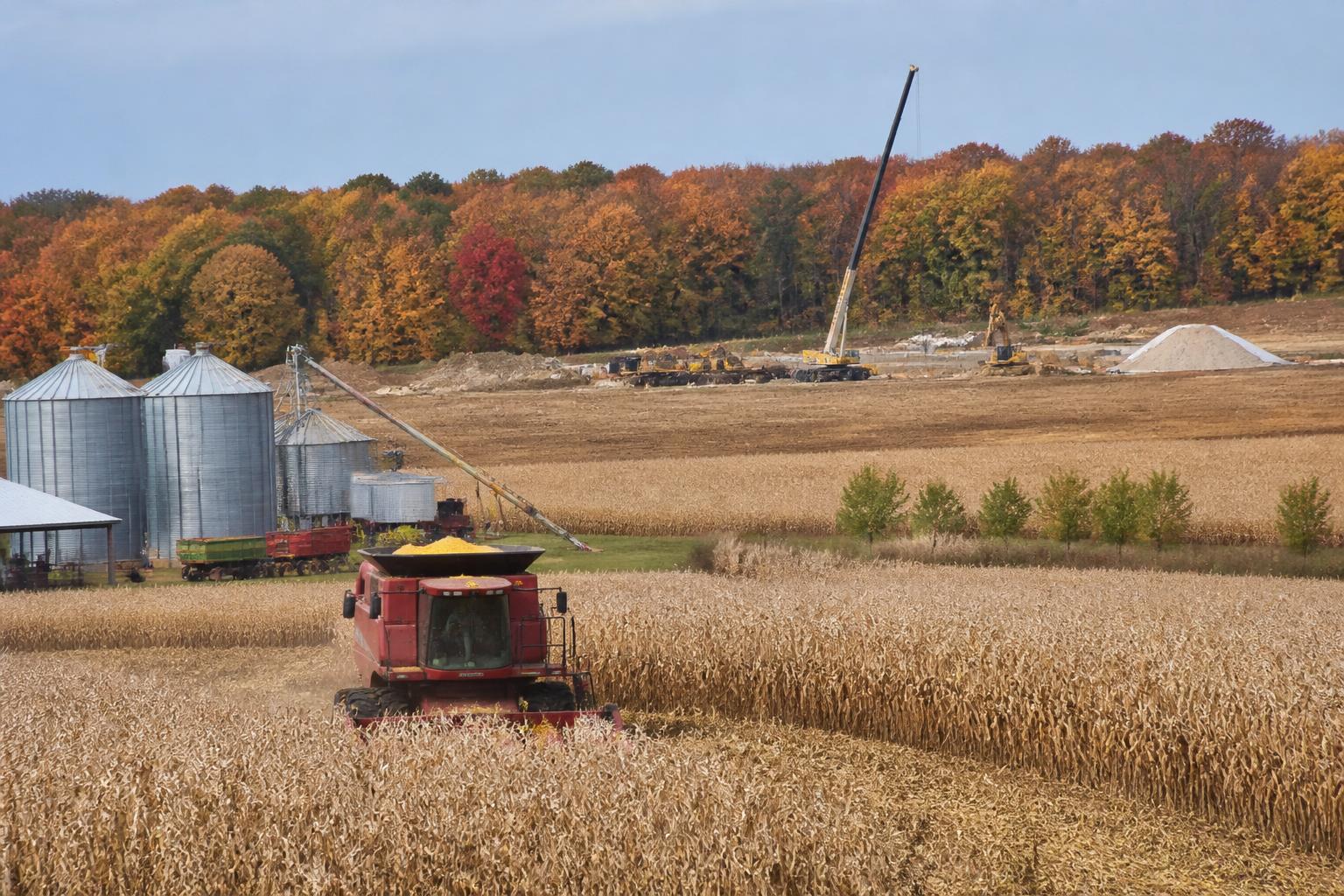
Louisiana continues to cement its status as a critical hub for agricultural inputs, with multiple large-scale industrial projects currently advancing across the state. These infrastructure developments are aimed at bolstering the domestic supply chain for essential fertilizers, potentially offering producers a more localized source for their seasonal nutrient management plans.
Among the notable progress is the commencement of work on a major clean ammonia plant, representing a significant capital investment in regional production capacity. Additionally, collaborations between established cooperatives and global industry leaders are laying the groundwork for a new phosphate fertilizer facility. This development is particularly significant as it represents a long-awaited expansion in domestic phosphate output, a move that stakeholders hope will help insulate the market from some of the volatility associated with import-dependent supply chains.
Infrastructure and Market Integration
For Louisiana farmers and agribusinesses, these projects may eventually translate into improved availability and logistics efficiency. As domestic fertilizer capacity expands, the reliance on long-haul transit and international shipping timelines could shift, offering more stability for input buyers who operate on tight seasonal windows. As these facilities move from planning to active production, they will likely influence the broader logistical flow of commodities moving through the Gulf Coast corridor.
Managing Seasonal Inputs
As the fall season progresses, the focus for many in the region remains on balancing current field operations with long-term fertility strategies. Producers are keeping a close watch on how these infrastructure investments align with regional grain storage needs and harvest-time logistics. While the arrival of new production facilities is a multi-year effort, the current industrial momentum underscores Louisiana's role in the national agricultural framework.
What it means for the market
The push toward localized fertilizer production signals a strategic shift that may eventually reduce regional vulnerability to global supply shocks. For growers and elevators, these developments serve as a reminder to maintain flexibility in input purchasing and to monitor how shifting infrastructure projects might influence the cost and availability of essential nutrients in the coming seasons.
Comments
No comments yet - be the first to share your take.