
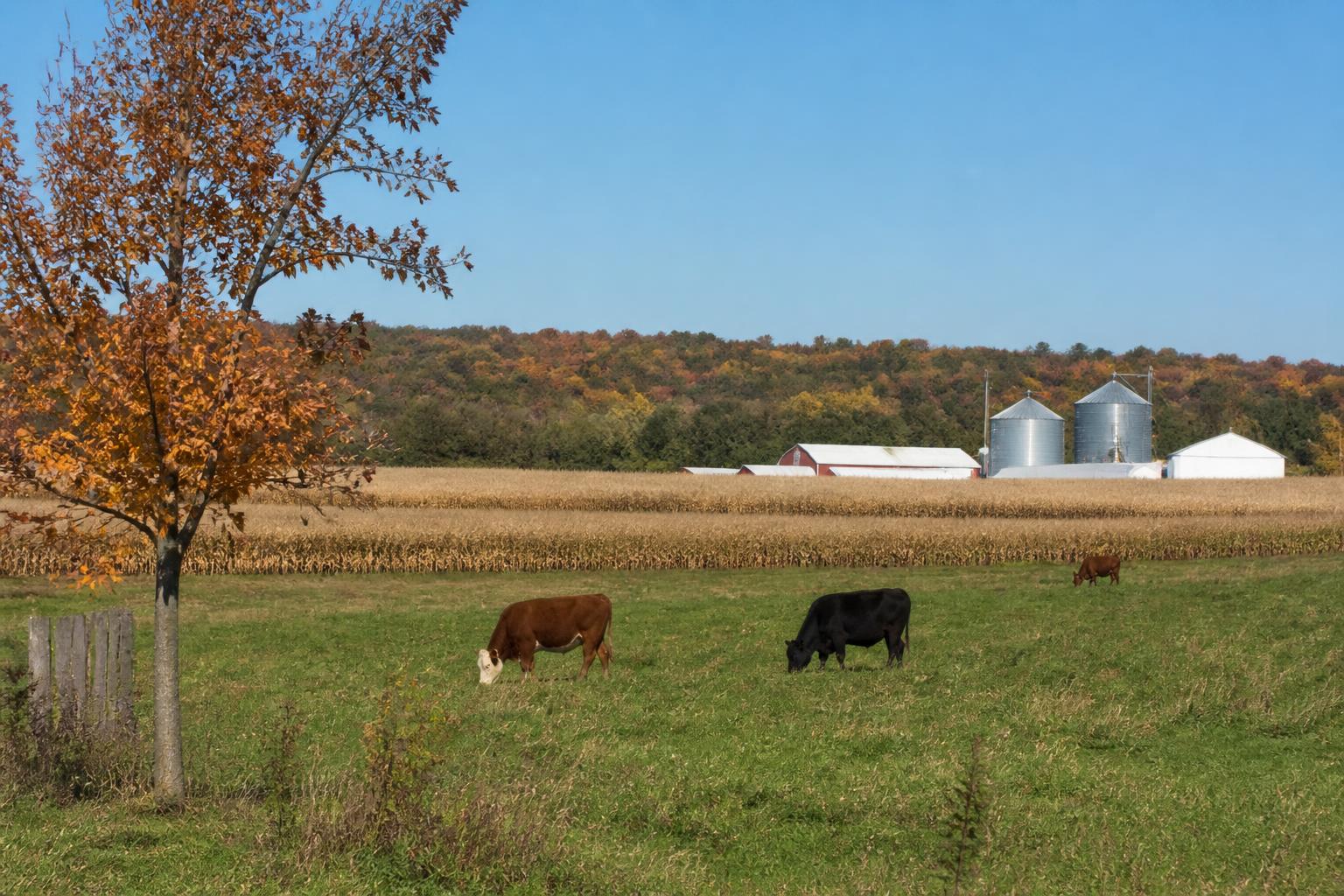
With the Michigan harvest season underway, agricultural producers are increasingly shifting their attention from field management to post-harvest nutrient applications. As combines begin rolling across the state, the window for effective soil sampling and fertilizer replenishment is opening, requiring careful logistical coordination for storage and application services.
For many farm operations, managing input costs remains a top priority during this period of seasonal transition. Growers in key agricultural hubs, from the heavy soils of the thumb region to the diversified landscapes of the southwest, are evaluating their options for fall-applied inputs. Given the historical focus on regulatory compliance and safe handling, farmers are encouraged to coordinate early with local retailers to ensure that inventory availability aligns with regional demand cycles.
Optimizing Nutrient Retention
Proper timing is essential for maximizing the efficacy of nitrogen and phosphorus applications in Michigan. In many parts of the state, soil temperatures are being monitored closely to guide application schedules, helping to minimize nutrient loss before the ground freezes. Growers interested in modern stewardship practices may find value in recent research regarding logistics and infrastructure improvements that are currently impacting the efficiency of regional agricultural supply chains.
Building Resilience for Future Seasons
As state-level initiatives continue to emphasize environmental protection, many growers are participating in programs designed to modernize input handling and storage infrastructure. Staying ahead of these shifts is critical, especially as oversight of fertilizer storage facilities evolves to meet new regulatory standards. Proactive planning not only mitigates potential compliance risks but also optimizes the logistics of moving bulk product during the busy fall window.
What it means for the market
For agribusinesses and producers alike, the fall market suggests a focus on operational readiness. With infrastructure investments and a push for improved safety protocols across Michigan, participants should anticipate a steady demand for storage-adjacent services. Success this season will likely depend on securing supply chain slots early, ensuring that vital nutrients are staged for immediate post-harvest application when conditions are optimal.
Comments
No comments yet - be the first to share your take.