
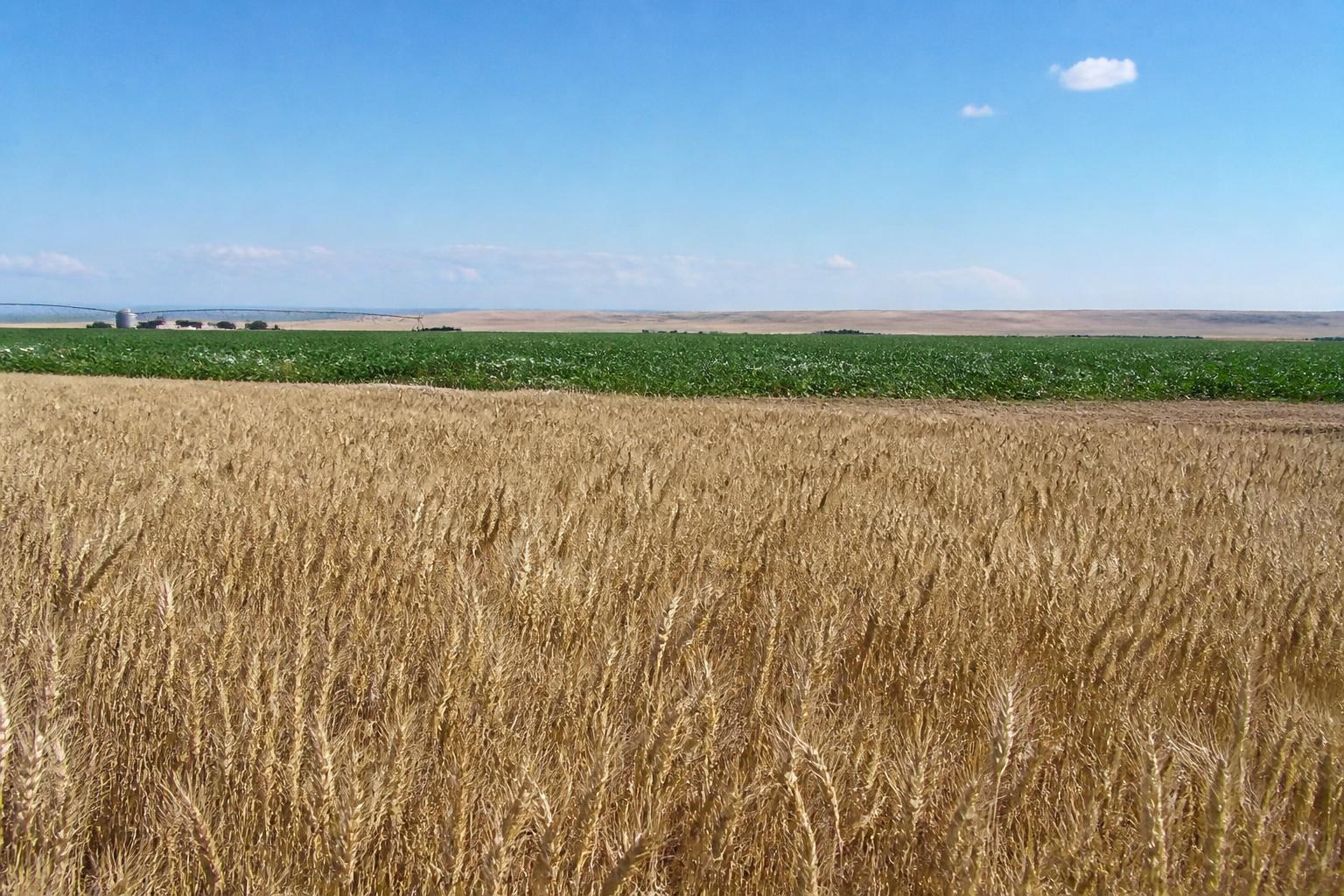
A Tale of Two Harvests Across Oklahoma
The summer harvest season has brought stark contrasts to Oklahoma fields. In the Oklahoma Panhandle, a persistent drought continues to impact dryland crops, severely limiting volume expectations. Some regional forecasts suggest that the state's overall wheat harvest could face significant reductions, leaving local grain elevators and shippers to prepare for lower-than-average intake volumes.
Conversely, other pockets of the state are reporting surprisingly strong quality metrics. In areas that received timely spring moisture, wheat test weights have been reported as exceptionally high. In eastern regions like Tulsa, recent summer weather has brought temperatures reaching up to 80 degrees Fahrenheit with moderate chances of scattered rain, allowing some producers to progress steadily through fields. This divide means that while total statewide volume may be constrained, the high-quality grain that does reach the bins will command careful marketing.
Navigating Market Volatility and Marketing Strategies
With production levels highly localized, grain marketing has become increasingly complex. Market analysts, including Todd Hubbs, point out that navigating volatility in wheat, corn, and soybeans requires active hedging and realistic price expectations. For modern producers, the process of selling grain has evolved significantly from previous decades when local cash sales dominated. Today's growers must balance domestic delivery options against shifting global demand curves.
Understanding these pricing dynamics is essential for regional competitiveness. For a deeper look at these shifting commercial pressures, producers can review the Oklahoma Wheat Market: Steady Growth Amid Global Pressures to gauge how international export trends are influencing local bid structures.
Policy, Infrastructure, and Logistics Challenges
Beyond the weather, federal policy and infrastructure recovery remain top of mind for agricultural leaders. Representative Frank Lucas has highlighted ongoing progress regarding the Farm Bill alongside critical safety nets for livestock producers. This is especially vital as parts of Western Oklahoma work to recover from devastating wildfire damage that disrupted pastures, fencing, and local farm structures earlier in the year.
Logistical efficiency also remains a primary bottleneck. Industry estimates suggest that poor storage, transport delays, and handling inefficiencies can lead to substantial crop losses before grain even reaches domestic or international terminals. Ensuring reliable access to major transport corridors like Interstate 35 and regional rail links is crucial for keeping haulage costs manageable. In response to shifting federal priorities, local policy adjustments may play an increasingly active role; more details are explored in the piece on how Oklahoma Explores State-Level Aid to Support Local Farmers Amid Federal Funding Shifts.
Key Takeaways for Oklahoma Agribusinesses
- Manage the Quality Spread: Leverage high-test-weight wheat to blend and maximize values at the elevator.
- Monitor Logistics Bottlenecks: Co-ordinate closely with regional trucking fleets to avoid delays on key routes during peak summer haulage.
- Utilize Risk Management: Secure pricing targets early to counter volatility in corn and soy markets.
What it means for the market
For Oklahoma's grain sector, this summer is a test of resilience and logistics coordination. While severe drought in the Panhandle limits supply, the high test weights found elsewhere offer premium marketing opportunities. Elevators, carriers, and producers who stay agile, optimize their storage facilities, and monitor both policy shifts and transportation bottlenecks will be best positioned to protect their margins in a volatile marketing year.
Comments
No comments yet — be the first to share your take.