
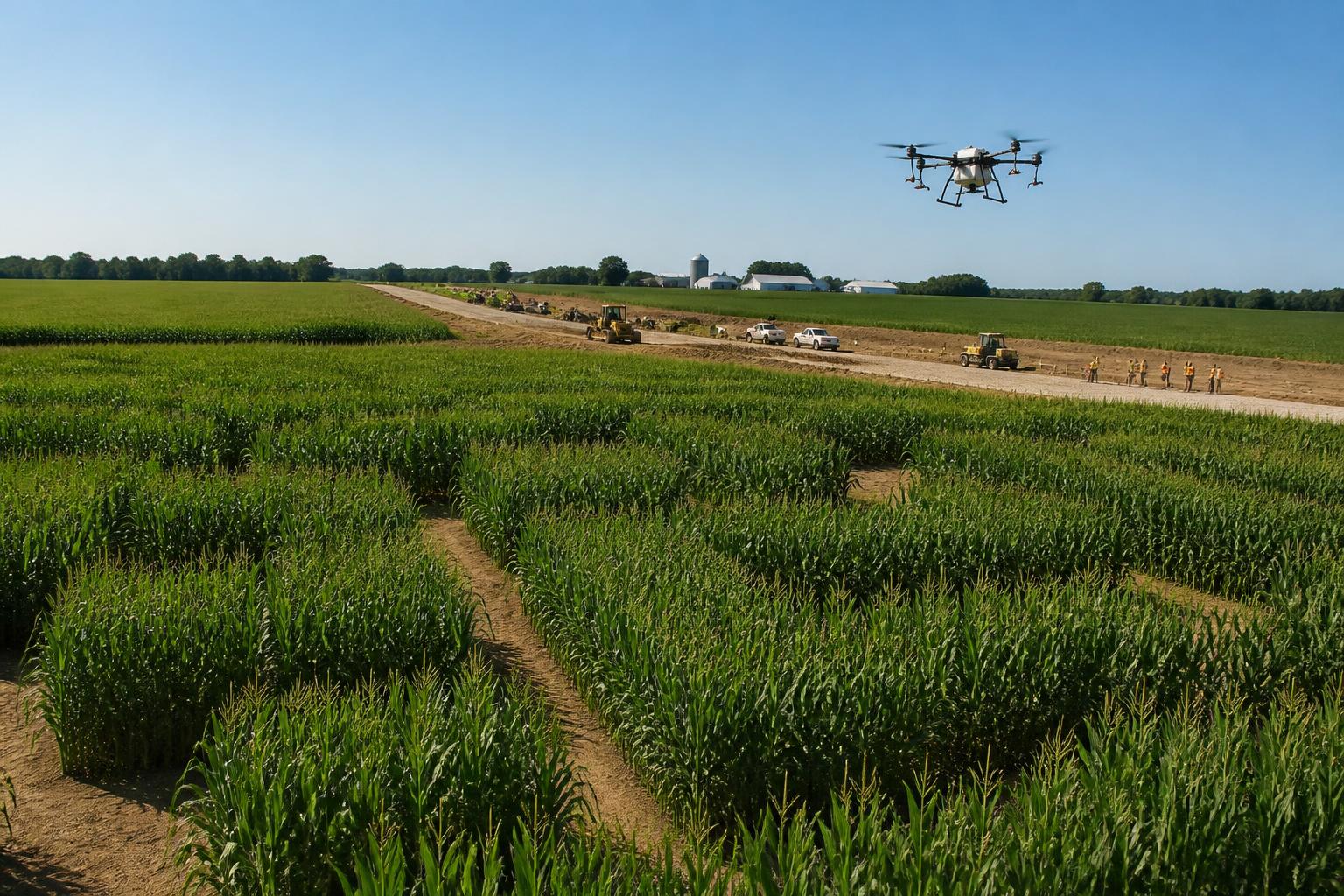
Rhode Island's agricultural sector is shifting into high gear as summer brings peak demand for local produce, agritourism, and coastal farm-to-table supply chains. With farm stands, pick-your-own operations, and local markets seeing a surge of seasonal visitors, balancing on-farm production with transport logistics is a key priority for growers across the state.
From the historic fields of South County to the bustling agritourism hubs of Providence County, local operators are finding creative ways to manage congested rural roads and optimize crop protection. For regional carriers, grain handlers, and direct-to-consumer farms, navigating the summer bottleneck requires a mix of strategic timing and modern field management.
Navigating Coastal Traffic and Agritourism Congestion
In Rhode Island, agricultural transport is uniquely shaped by geography and tourism. Farms in coastal Washington County (locally known as South County) often share narrow, historic roadways with beachgoers and summer vacationers. Moving heavy farm equipment or refrigerated delivery vans along Route 1 and adjacent local roads during peak weekend hours can lead to significant transit delays.
To bypass these bottlenecks, many local growers arrange deliveries during off-peak early morning hours. Managing these logistical hurdles is essential for preserving the cold chain and ensuring that delicate leafy greens, berries, and sweet corn reach local restaurants and markets in optimal condition. For detailed strategies on handling these seasonal bottlenecks, growers can refer to our guide on Rhode Island summer produce transport.
At the same time, agritourism continues to serve as a vital revenue source. Operations like Salisbury Farm in Johnston, known for its long-standing corn maze and community fundraisers, spend the summer months preparing for high-traffic public events. Coordinating the arrival of thousands of visitors alongside daily farming operations requires meticulous traffic management and well-planned local logistics.
Precision Technology and Seasonal Crop Pressures
As summer temperatures rise, so does the pressure from pests, weeds, and diseases. To protect high-value specialty crops without disrupting neighboring residential areas, some Northeast growers are turning to precision technology, including the growing crop-spraying drone market. Drones allow for targeted application of inputs on small, irregularly shaped New England parcels, minimizing drift and reducing the need to drive heavy machinery through wet or highly compacted soils.
In addition to crop diseases, livestock producers in the region are advised to stay alert to pest threats, including invasive tick species that can impact herd health. Managing these biosecurity and environmental risks is a critical component of maintaining a resilient regional supply chain. Keeping up with regulatory frameworks and pest control measures is a constant focus for local operators, as highlighted in our discussion on Rhode Island ag transport challenges.
Strengthening Regional Food Systems
Despite being the smallest state, Rhode Island boasts a highly diverse agricultural landscape with a strong focus on direct-to-consumer sales, nursery crops, and turfgrass. The close proximity of urban markets in Providence, Boston, and New York provides local growers with a steady customer base, but it also demands a highly responsive distribution model.
Collaborative distribution networks and shared commercial kitchen spaces are helping smaller farms scale up their reach. By consolidating deliveries, local producers can reduce the number of truck trips required, saving on fuel and reducing carbon footprints. These innovations help farmers capitalize on the growing demand for fresh, traceable local foods while navigating the inherent limits of land and infrastructure, a theme further explored in our review of Rhode Island agricultural opportunities.
What it means for the market
For Rhode Island agribusinesses, the summer market is defined by high-touch logistics and direct community engagement. Success during this peak season relies on a farm's ability to efficiently transport perishables through congested coastal corridors while maintaining high standards of crop care. Producers who invest in off-peak delivery schedules, collaborative logistics, and precision application technologies will be best positioned to maximize profitability and secure their market share through the late-summer harvest.
Comments
No comments yet — be the first to share your take.