
As the summer season reaches its peak in Rhode Island, local agricultural transport faces a distinct set of operational challenges. Delivering highly perishable summer crops like fresh berries, sweet corn, and early summer vegetables requires precise scheduling, especially when sharing narrow coastal roads with heavy seasonal tourist traffic. For Ocean State growers, balancing transport capacity with local demand is critical to maintaining fresh product quality during these high-volume months.
Managing Coastal Road Congestion and Last-Mile Delivery
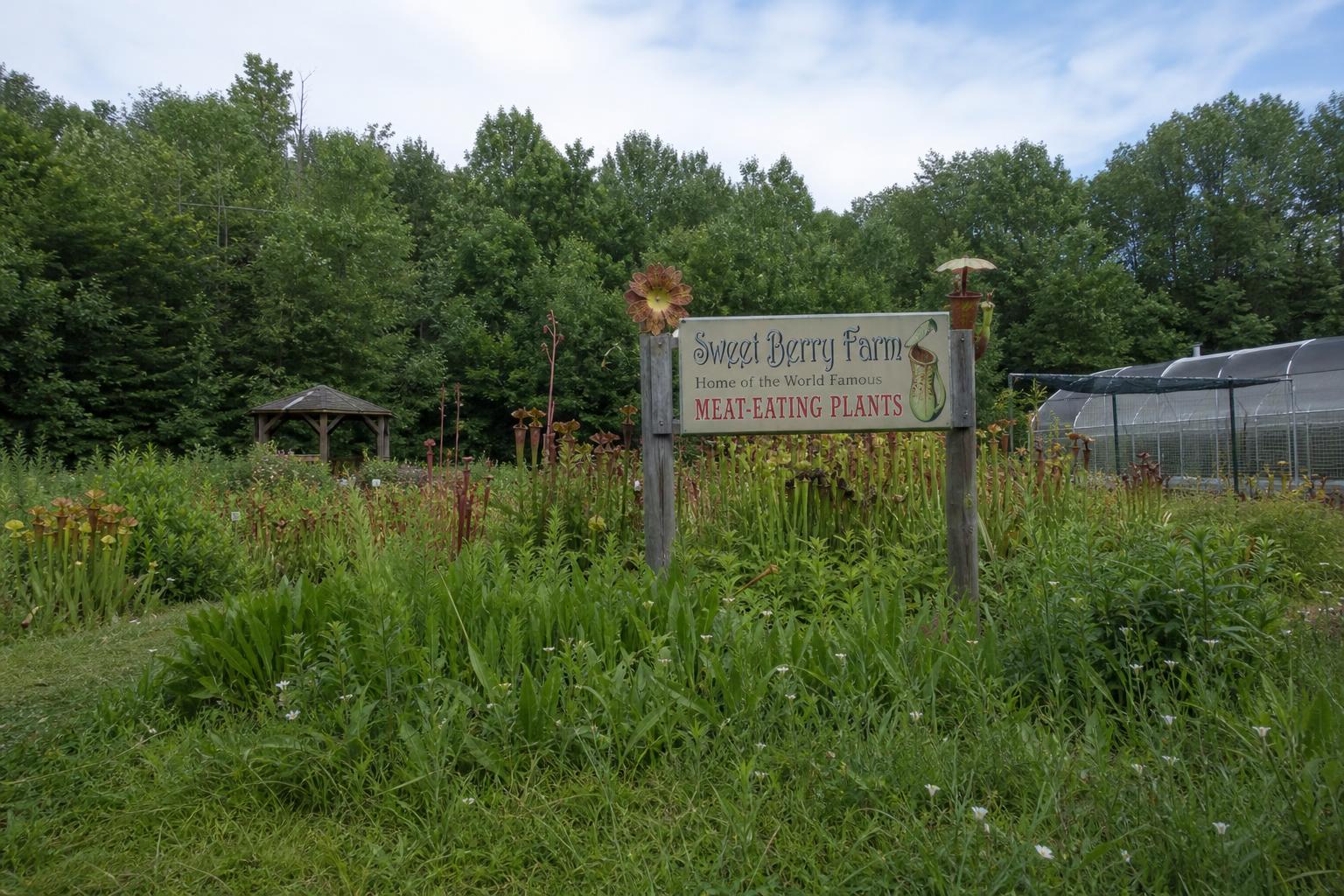
Rhode Island's agritourism hotspots, including local favorites like Sweet Berry Farm in Middletown, draw large crowds of summer visitors. While this direct-to-consumer foot traffic boosts on-farm sales, it heavily congests key local shipping routes across Aquidneck Island and surrounding coastal corridors. The sudden influx of passenger vehicles makes daytime shipping highly unpredictable for local distributors.
To keep deliveries on track, local farm operators and regional carriers are shifting their transit schedules to early morning hours, often moving goods before tourist traffic peaks. For operations trying to balance their delivery windows with available driver hours, coordinating transit times is essential. Insights from broader transport sectors, such as those discussed in the U.S. Grain Freight Brief: Match Sales Windows to Rail, Barge and Truck Capacity, highlight how critical it is to align shipping schedules with local capacity and infrastructure limits.
Maintaining the Spirit and Scale of Local Distribution
Unlike major agricultural hubs in the Midwest that rely on heavy rail and bulk barge shipping, Rhode Island's agricultural landscape is characterized by specialty crops, small-scale trucking, and direct-to-retail partnerships. Preserving the scale and community character of these family-owned farms is a priority for local municipalities, which often limits the size of transport vehicles allowed on rural roads.
Because large semi-trucks are often impractical or legally restricted on historic Rhode Island roads, fleet operators and local co-ops are increasingly relying on smaller, refrigerated sprinter vans and box trucks. Consolidating multiple farm orders into single regional routes helps reduce fuel costs and prevents empty backhauls. This tailored regional approach to moving food fits into the larger picture of navigating local bottlenecks, as explored in Rhode Island Agriculture: Navigating Challenges and Opportunities.
Environmental and Routing Constraints
Rhode Island's unique coastal ecosystem and sensitive inland wetlands create strict boundaries for local transport infrastructure. Because expanding rural roads is rarely an option due to local land conservation efforts, carriers must work within the existing footprint. Transport planning must remain highly adaptive, ensuring that delivery trucks adhere strictly to local weight limits and municipal zoning designed to keep rural areas intact and protect native habitats.
What it means for the market
For Rhode Island growers and transport providers, logistics success this summer hinges on flexible, small-scale operations rather than high-volume bulk transport. Agribusinesses that secure early morning delivery slots, utilize consolidated local routes, and deploy smaller refrigerated vehicles will protect their margins and deliver peak-quality produce to high-value coastal markets before the summer season winds down.
Comments
No comments yet - be the first to share your take.