
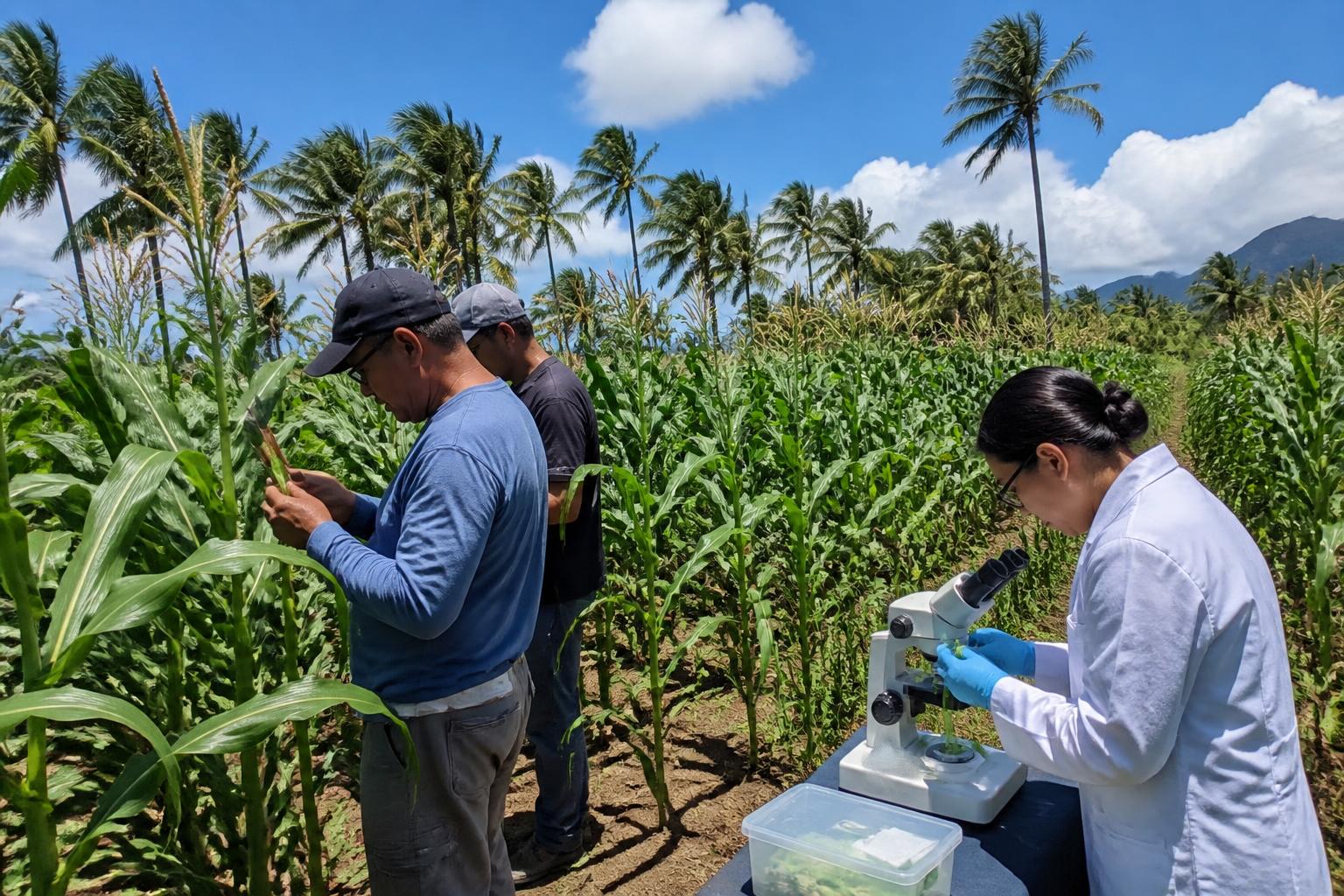
Following the decline of the historic sugarcane and pineapple industries, Hawaii has carved out a unique and highly specialized niche in the global grain supply chain. Rather than producing bulk commodities for commercial mills, the islands serve as a critical crucible for research, particularly in the development of seed corn. As the summer season progresses, Hawaii's agricultural community is focusing on key investments in crop safety and managing the high operating costs that characterize island farming.
Maintaining this delicate balance requires strategic long-term planning. For stakeholders tracking regional production shifts, understanding how Hawaii's agricultural ambitions intersect with mainland grain demands is essential for navigating this specialized seed space.
The Strategic Importance of Hawaii's Seed Corn Nurseries
Hawaii's year-round warm climate and distinct microclimates allow seed companies to compress breeding timelines significantly. While mainland operations are limited by seasonal winters, Hawaii's research nurseries can cultivate up to three or four generations of corn in a single year. This rapid cycling is vital for mainland breeders who rely on the islands to scale up new, disease-resistant, and high-yielding seed varieties before they are commercially launched in the Midwest.
However, operating these nurseries is far from simple. Hawaii's isolation introduces high logistical overhead, from importing specialized equipment to shipping delicate seed stock back to the mainland. Furthermore, the seed corn sector must constantly adapt to evolving local land-use policies and community dialogues surrounding biotechnology, making public trust and regulatory compliance as critical as crop yields.
Securing the Islands: Pathogen Detection and Biosecurity
Given the high-stakes nature of Hawaii's seed nurseries and local food crops, biosecurity remains a top priority. Recently, the State of Hawaii and the University of Hawaii secured more than $322,000 in dedicated funding to advance plant pathogen detection and biosecurity innovation. This funding is designed to establish early-warning diagnostic tools to catch invasive pests and crop diseases before they can devastate local fields.
The threat is constant. Local agricultural authorities frequently battle invasive pests like the coconut rhinoceros beetle, and high-profile incidents, such as the recent capture of a snake in Waipahu, underscore the continuous vulnerability of the island ecosystem. For seed corn developers, a single unchecked plant pathogen could quarantine entire research facilities, disrupting multi-million dollar breeding programs designed for global distribution.
Financial Challenges and Weather Recovery
Most farms in Hawaii are small, family-run operations that struggle with thin margins and high input costs. Unlike mainland operations with vast acreage, local growers face expensive water, energy, and land. The sector also remains in recovery mode following major weather disruptions, including past Kona Low storms that inflicted an estimated $31 million in damages on local agricultural operations.
To help cushion these risks, the USDA has expanded some disaster relief programs, and local leaders continue to explore tax incentives aimed at keeping small-scale farming viable. In addition, producers are focusing heavily on resource conservation. Keeping tropical soils fertile and resilient during dry summer spells requires precise nutrient management, a topic explored deeply in the latest Hawaii grain and feed summer outlook.
Key Takeaways for Hawaii Agribusiness
- Global Breeding Hub: Hawaii remains a critical year-round research nursery system for the U.S. seed corn market.
- Biosecurity Focus: More than $322,000 in new funding supports advanced pathogen detection to protect seed plots and local crops.
- High Operating Overheads: Small farm size, high input costs, and residual storm damages continue to squeeze producer margins.
What it means for the market
For the broader grain market, Hawaii represents the quiet backbone of seed innovation. The high costs of operating on the islands directly influence the pricing and availability of next-generation commercial corn seeds on the mainland. As biosecurity protocols tighten and island logistics remain expensive, seed companies will need to run highly efficient operations. Buyers should expect seed development costs to reflect these unique tropical pressures, making Hawaii's regulatory and environmental health a vital trend to watch for future crop cycles.
Comments
No comments yet — be the first to share your take.