
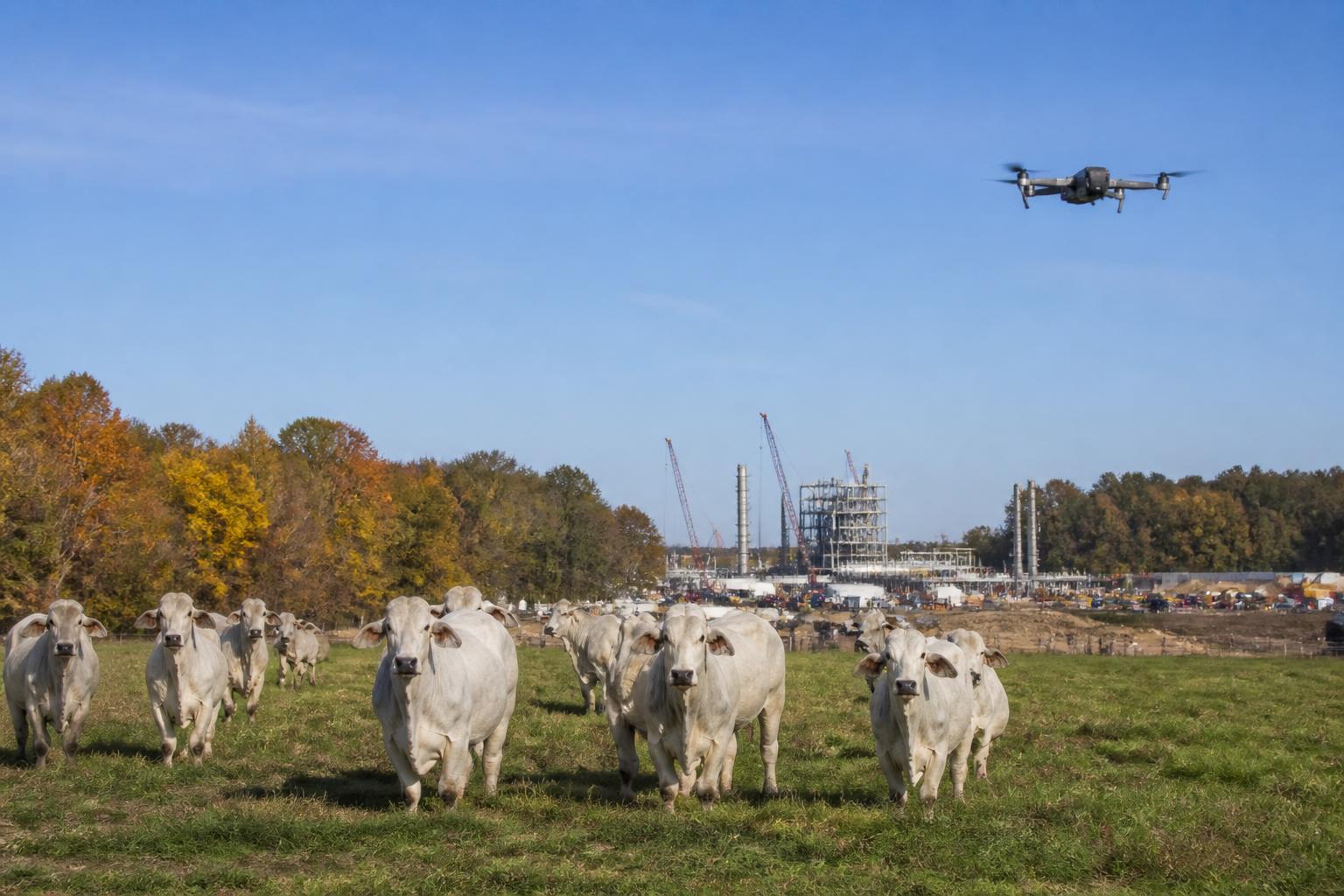
Louisiana's agricultural landscape is currently experiencing a notable shift in industrial infrastructure. As producers across the state manage late-season activities, the focus on supply chain resilience remains a key priority. For many grain handlers and agribusinesses, the reliability of input availability is intrinsically linked to regional manufacturing capacity.
New developments are actively reshaping the state's capacity for domestic supply. Significant investments in large-scale low-carbon ammonia production, such as those recently broken ground by major industry players, signal a long-term commitment to the region. Furthermore, planning is moving forward for the first domestic phosphate fertilizer facility in decades, which may provide a strategic alternative to traditional import dependencies.
Expanding Production Infrastructure
These large-scale projects, including joint ventures targeting late-decade operational start dates, reflect a broader trend toward strengthening local supply chains. For those managing regional fertilizer supply infrastructure, these facilities are expected to mitigate some of the volatility associated with global logistics. Such advancements are critical, particularly as international supply routes face recurring disruptions that can impact seasonal input costs.
Building Resilience in Local Markets
The development of these plants is expected to bolster the state's role as an agribusiness leader. By anchoring production within Louisiana, stakeholders can better anticipate shifts in availability. For additional insights on the regional market, producers often monitor ongoing developments regarding new projects designed to boost domestic supply across the state. These infrastructure improvements typically complement existing transportation networks, including key port access along the Mississippi River corridor, which remains vital for moving both inputs and harvest-ready grains.
What it means for the market
The ongoing expansion of Louisiana's fertilizer sector suggests a period of transition toward greater domestic independence. For farmers and elevator managers, these investments may lead to more predictable supply chains in the coming years. While these projects are still in development, their presence highlights the importance of Louisiana's strategic location in supporting the broader U.S. agricultural economy.
Comments
No comments yet - be the first to share your take.