
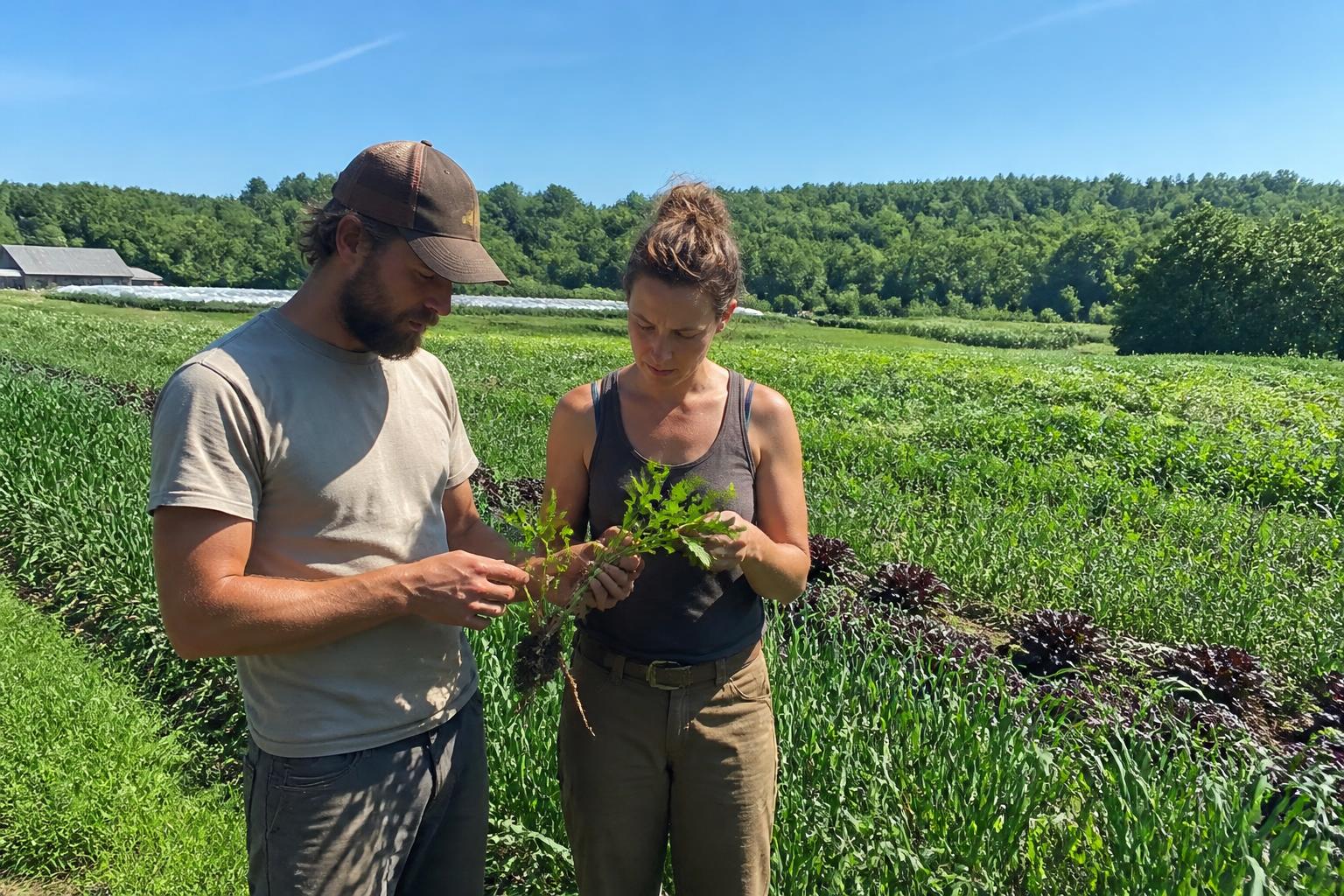
As summer settles across New England, agricultural operations in New Hampshire are entering a critical window for crop protection. From the vegetable farms of the Merrimack Valley to the orchards of Hillsborough and Rockingham counties, high summer humidity and seasonal precipitation are driving elevated disease pressures. Growers are actively working to balance immediate pest and disease threats with evolving environmental policies and resource constraints.
This June, crop protection strategies in the Granite State require a mix of proactive scouting, careful choice of inputs, and a close eye on state-level regulatory debates. With regional diagnostic services actively monitoring plant samples, local producers are being urged to identify pathogens early to prevent widespread yield loss, particularly as climate volatility alters traditional pest pressures.
Pathogen Monitoring and Diagnostic Vigilance
Regional plant pathologists are closely examining crop samples across Maine and New Hampshire to detect emerging bacterial, viral, and fungal threats. In wet or humid summer conditions, pathogens can spread rapidly through specialty crops, forage, and orchards. Early diagnostic intervention is vital for specialty crop growers who need to apply highly targeted, cost-effective control measures rather than broad-spectrum treatments.
Proactive scouting is particularly important as growers adjust to broader shifts detailed in our analysis of New Hampshire agriculture policy changes. Because regional weather patterns are increasingly unpredictable, local producers must rely on precise laboratory diagnostics to guide their chemical and biological protection programs, preventing unnecessary input applications while protecting crop health.
The Sludge Debate and Soil Protection
Beyond active pest management, New Hampshire’s agricultural community is deeply engaged in a policy debate regarding the use of biosolids, or sewage sludge, on agricultural land. While biosolids have historically been used as a low-cost, nutrient-rich soil amendment, concerns over persistent environmental contaminants have led to intense scrutiny. State lawmakers and agricultural stakeholders are weighing the potential risks of soil contamination against the practical fertilizing needs of local farms.
This debate directly impacts long-term crop protection and soil health strategies. Maintaining clean, uncontaminated soils is essential for farms targeting organic markets or seeking high-standard sustainability credentials. This regulatory conversation aligns with broader discussions around the New Hampshire fertilizer and soil standards market, where navigating chemical inputs and long-term soil safety remains a critical concern for modern producers.
Sustainability Standards and Funding Pressures
While local research hubs, such as the University of New Hampshire’s greenhouse facilities, continue to earn international recognition for sustainable management practices, commercial producers are facing operational headwinds. Potential federal and state-level budget cuts to conservation agencies could limit the technical and financial support available to help farmers implement eco-friendly crop protection plans.
These agencies play a major role in helping growers transition to integrated pest management (IPM) systems, which reduce reliance on synthetic inputs. Without robust technical assistance, smaller, diversified farms in New Hampshire may find it more difficult to adopt advanced biological controls and precision application technologies during the peak summer growing season.
Key Takeaways for New Hampshire Growers
- Submit samples early: Utilize regional diagnostic laboratories at the first sign of unusual crop yellowing, leaf spots, or wilting to identify summer pathogens accurately.
- Monitor soil input policies: Stay informed on state-level legislative decisions regarding biosolids and sludge applications, which could affect future land-use certifications and soil health protocols.
- Leverage integrated pest management: Use cultural controls, physical barriers, and targeted biological treatments to stretch crop protection budgets in the face of potential conservation agency funding cuts.
What it means for the market
The convergence of active disease pressures, potential conservation program cuts, and tightening environmental regulations will likely drive New Hampshire growers toward highly targeted crop protection inputs this summer. Commercial operators must plan their input purchasing carefully, prioritizing certified clean soil amendments and targeted fungicides. As buyers and consumers demand higher environmental compliance, farms that successfully integrate sustainable crop protection practices will maintain a competitive edge in local New England supply chains.
Comments
No comments yet — be the first to share your take.