
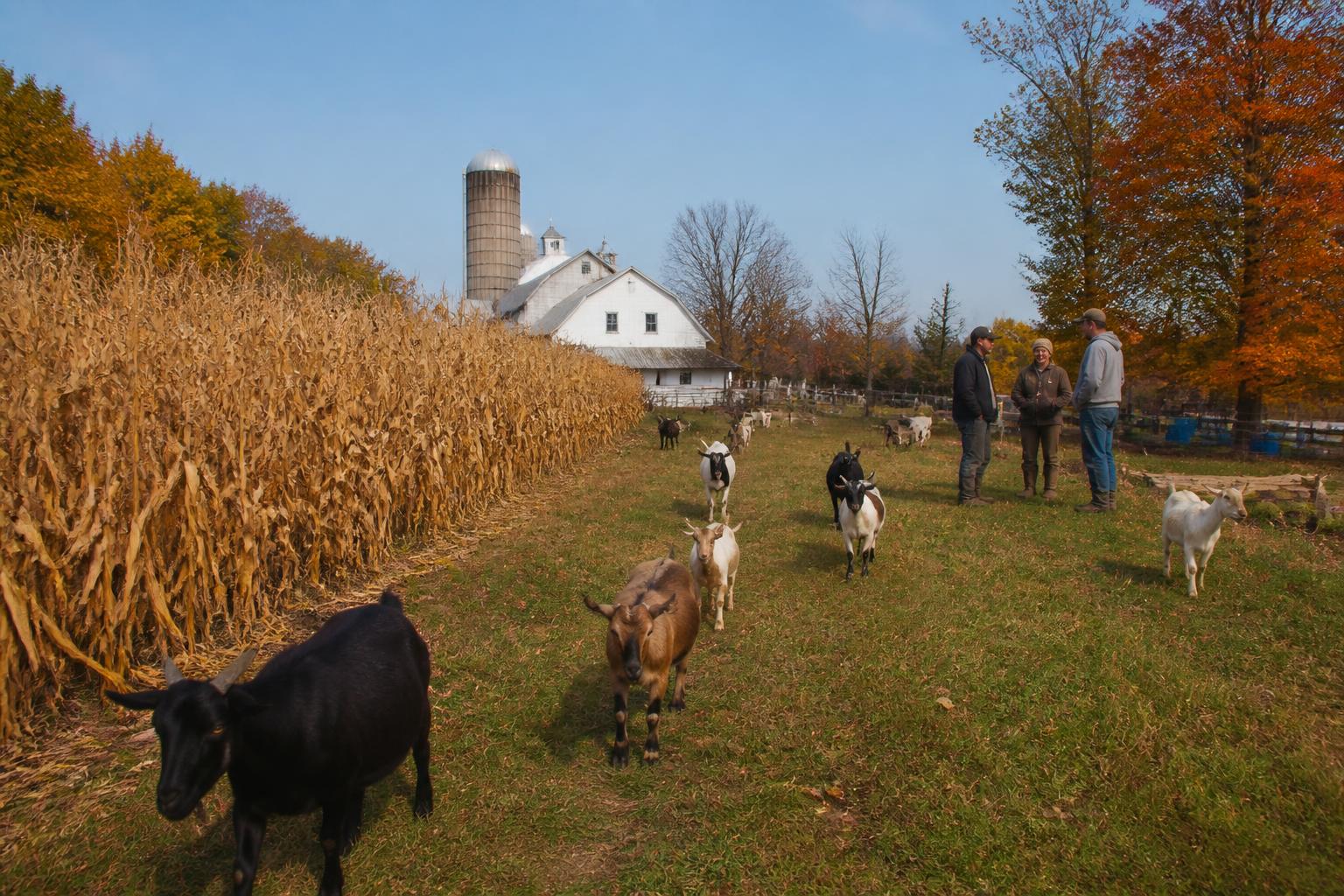
In Rhode Island, the challenge of maintaining an active agricultural base often centers on land accessibility. With land values remaining a critical factor for producers, the state has continued to explore pathways to keep acreage in production through initiatives that allow for the resale of farmland at adjusted values. These efforts are designed to ensure that the next generation of growers can establish or expand operations without the prohibitive barriers often found in highly developed regions.
Building Resilience Through Local Infrastructure
The strength of Rhode Island's agricultural sector relies heavily on the ability to connect local products with accessible markets. Collaborative models, such as cooperatives, are increasingly focused on bolstering regional grain outlooks and resource sharing to offset rising operational expenses. By centralizing distribution and marketing efforts, smaller growers can achieve a more stable presence in a market that remains sensitive to broader economic fluctuations and supply chain shifts.
The Role of Direct-to-Consumer Growth
Beyond traditional crop production, many Rhode Island farms are diversifying their revenue streams to include agritourism and value-added goods. From specialized livestock interactions to direct sales of farm-fresh products like eggs, these niche sectors provide an essential cushion for small-to-mid-sized operations. As these models grow, producers must also pay close attention to logistics and traffic patterns during the peak harvest season to ensure that short-distance supply chains remain efficient and reliable.
What it means for the market
For Rhode Island farmers and agribusinesses, the current environment demands a focus on long-term sustainability. While federal policies and appropriations continue to impact the broader agricultural landscape, local stability is largely built on state-specific programs that prioritize land tenure and collective bargaining. Staying engaged with local land trusts and cooperative networks remains the most effective strategy for mitigating risk and securing operational continuity as we move deeper into the fall season.
Comments
No comments yet - be the first to share your take.