
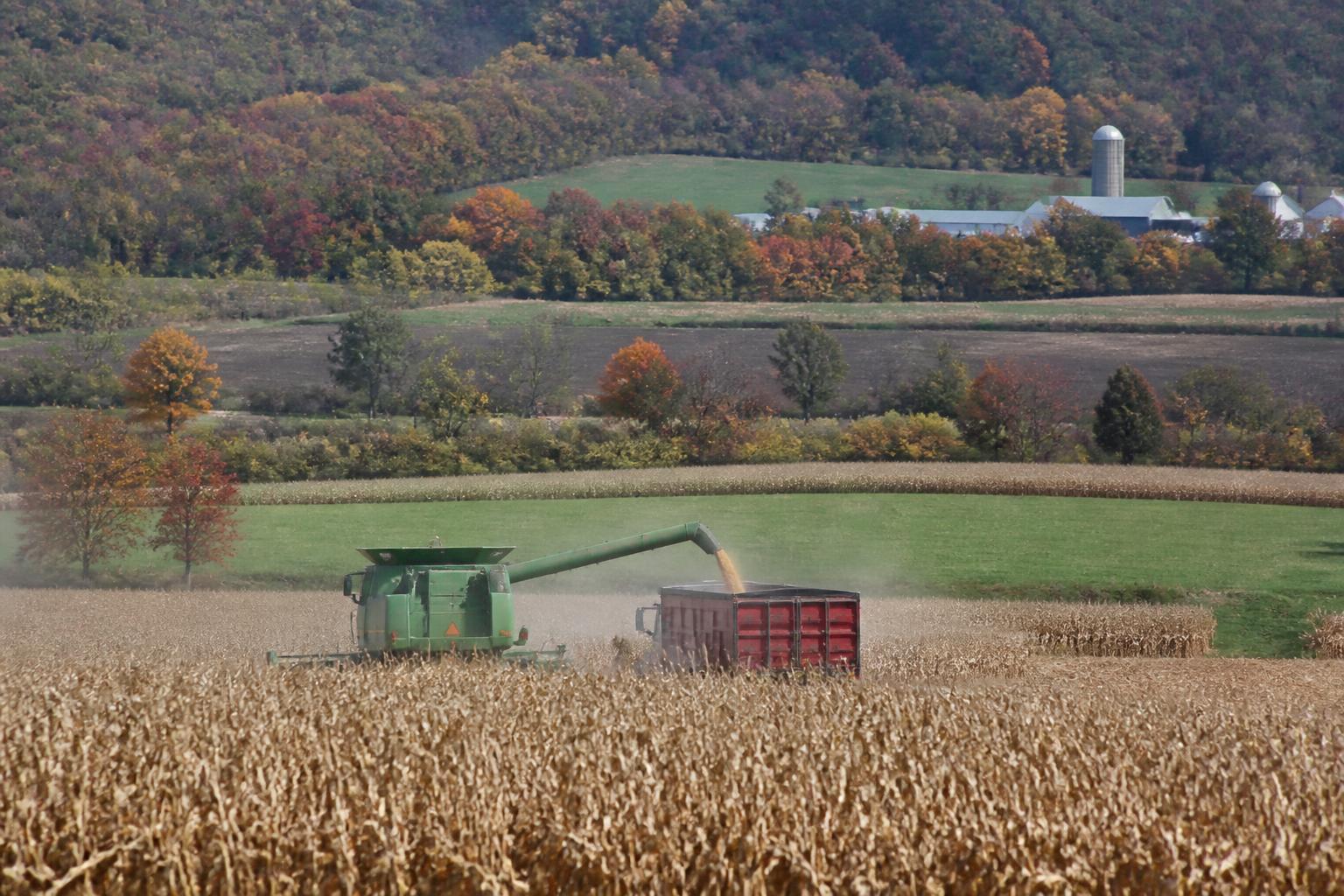
As the fall harvest accelerates across Rhode Island, growers and stakeholders are increasingly focused on the intersection of land security and long-term production stability. With seasonal activity peaking in regions like Warwick and beyond, the preservation of productive acreage has become a critical pillar for the state's agricultural future.
Protecting farm footprints against fragmentation is a primary objective for those aiming to maintain regional food supply chains. For producers navigating the complex nuances of soil management and input safety, having secure, protected land provides the operational confidence needed to invest in long-term infrastructure. Stable land tenure allows farms to focus on sustainable yield improvements rather than uncertainty regarding land availability.
Aligning Local Production with Regional Stability
The urgency to safeguard agricultural land is further underscored by the shifting pressures in the broader market. While global commodity conditions often dictate the price of inputs, the ability of local operations to remain resilient depends heavily on land use policies. As logistics shift for fall harvest transitions, maintaining a consistent and contiguous farm base helps stabilize local output, making it easier for growers to plan for storage, distribution, and seasonal labor requirements.
Key Takeaways
- Permanent conservation agreements help mitigate the risk of land development encroachment in sensitive agricultural corridors.
- Long-term land security facilitates better capital investment in soil health and equipment storage.
- Integrated planning supports more efficient regional harvest logistics during busy autumn months.
What it means for the market
For agribusinesses and independent growers in Rhode Island, the push for permanent farmland protection is more than a conservation effort; it is a strategy for market survival. By securing the physical foundation of the farm, producers can better buffer themselves against external economic volatility, ensuring that local food systems remain intact through the current harvest season and well into the future.
Comments
No comments yet - be the first to share your take.