
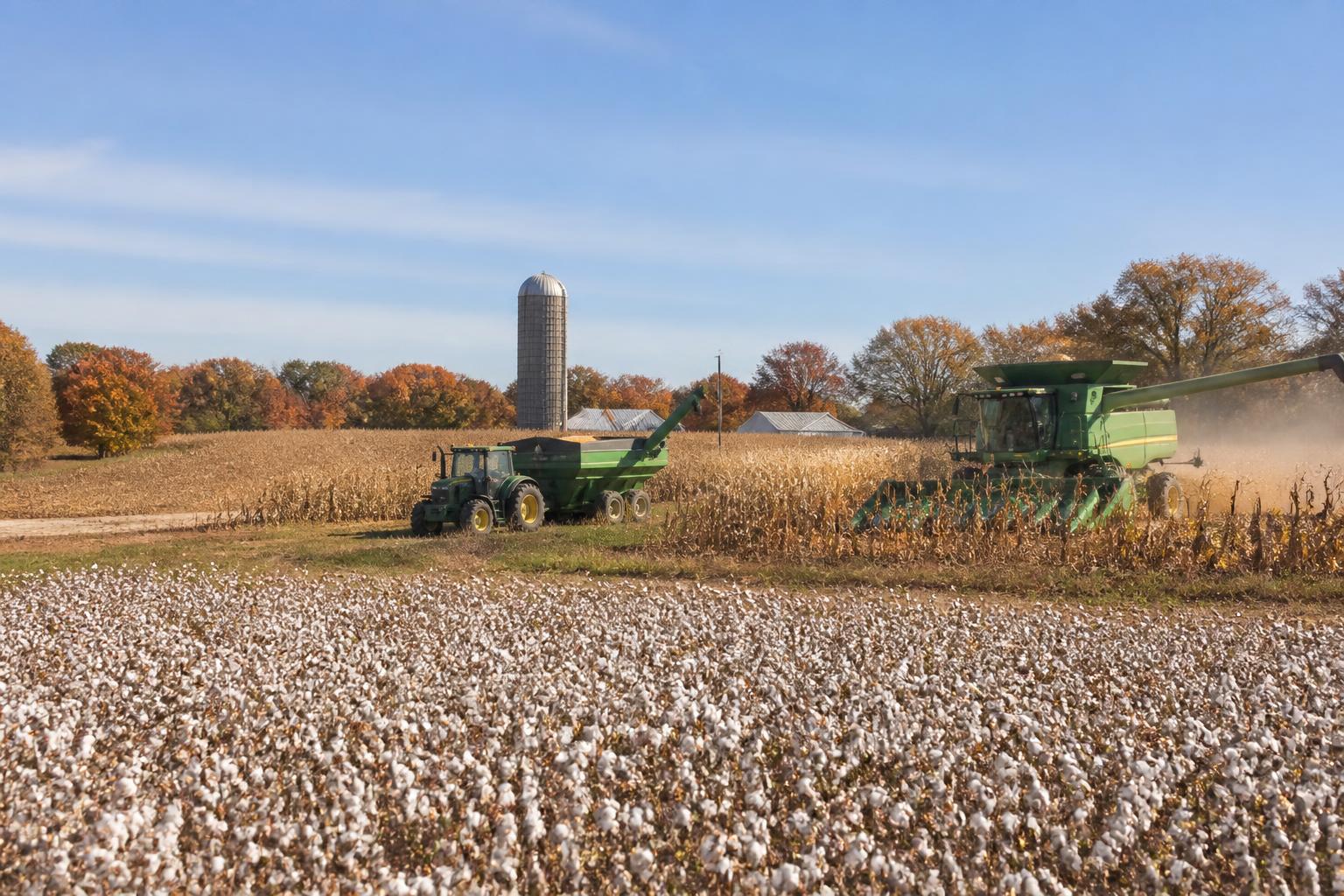
As we move deeper into the fall season in Arizona, local producers are contending with a complex environment where long-term resource sustainability and trade policy visibility remain at the forefront of operational planning. The intersection of agricultural innovation and regulatory pressure is particularly evident as stakeholders navigate evolving requirements for water management and the stabilization of market access for key commodities.
Innovation remains a critical lever for many in the region, with new models for on-farm testing and soil health management gaining traction. These initiatives, often led by firms focused on precision agriculture, may help growers better optimize inputs even when market conditions tighten. For those managing operations from the Yuma valley to the cotton fields in central regions, adopting these technological advancements is increasingly viewed as a necessary step to maintain margins amidst broader market volatility.
Navigating Trade and Regulatory Hurdles
The stability of critical trade frameworks remains a persistent topic for the produce sector. Maintaining the integrity of the Tomato Suspension Agreement is a top priority for many, as it serves as a cornerstone for predictable cross-border commerce and market pricing. For growers and shippers alike, any disruption to these established protocols can lead to significant logistical friction during peak shipping windows.
Furthermore, concerns regarding water usage continue to ripple through the state, drawing attention from both industry leaders and policymakers. As discussed in recent insights on Arizona's broader agriculture outlook, the pressure to demonstrate efficient resource utilization is intensifying. Producers are currently evaluating how to best position their operations to comply with shifting regulatory standards while maintaining the output levels required to remain competitive in national supply chains.
What it means for the market
For grain handlers, produce distributors, and ag-logistics providers, the current market signals suggest a period of high operational caution. With water and trade policies acting as primary influencers on production costs, margins remain sensitive to any shifts in regional regulations. Agribusinesses should prepare for a fall season defined by an emphasis on water-efficient practices and a continued reliance on existing trade stability mechanisms to keep the supply chain moving efficiently.
Comments
No comments yet - be the first to share your take.