
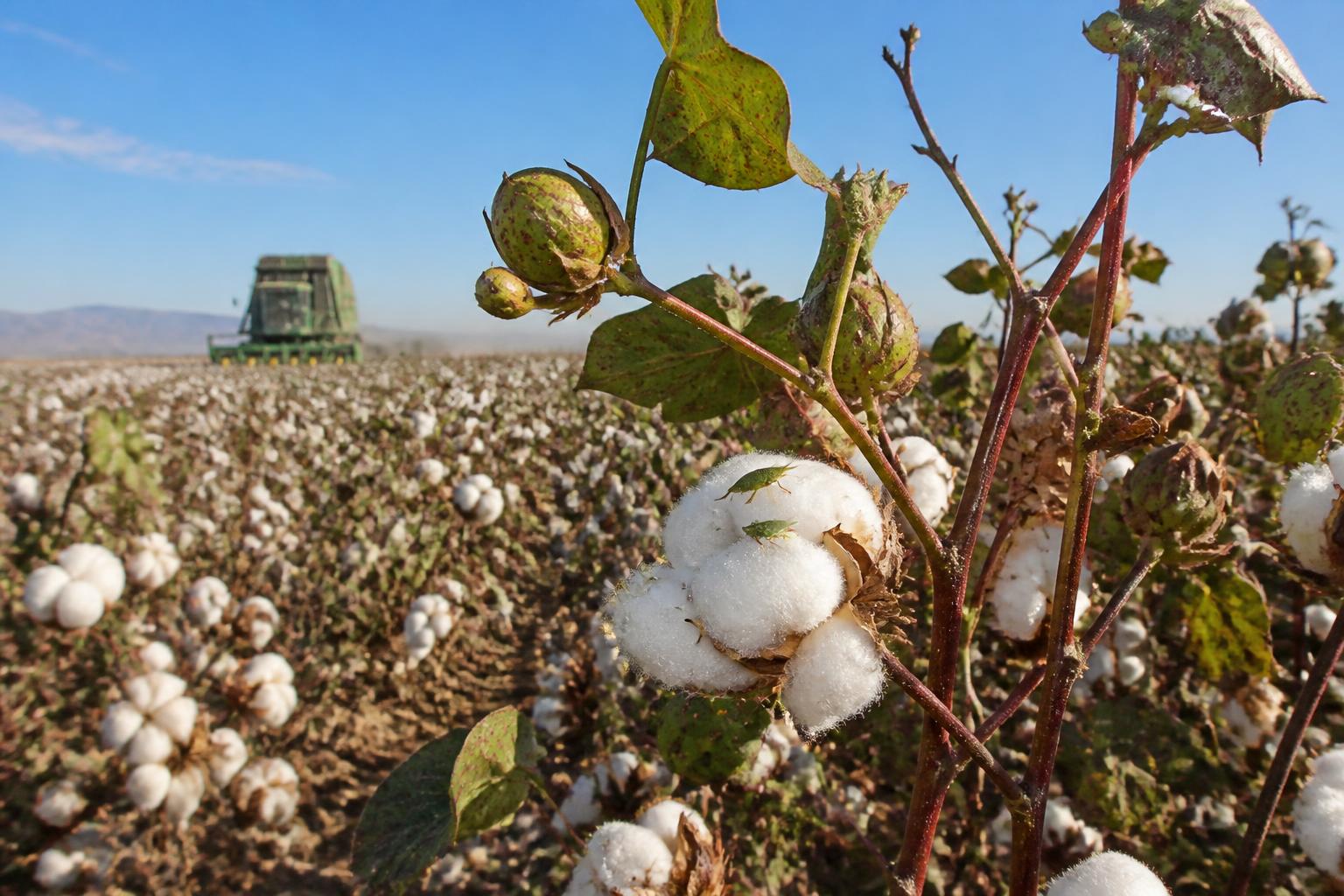
As Arizona enters the fall harvest season, producers across the state are focusing on optimizing field operations while keeping a close watch on shifting trade environments. Logistics remain a top priority as efficient movement from farm to facility becomes essential during this high-activity window, particularly when navigating the unique infrastructure requirements of the Southwest.
Proactive management continues to be the baseline for local agribusinesses, especially concerning crop quality. Pest pressure, particularly from Lygus bugs in cotton, remains a persistent challenge that can dictate the timing and profitability of harvest windows. Managing these inputs effectively often requires close coordination with local logistics providers to ensure that transport equipment is available exactly when fields are ready for clearing.
Trade Policy and Market Fluctuations
Recent discussions surrounding agricultural trade, including shifting production demands in the cotton sector, serve as a reminder of the volatility currently impacting producers. Market participants are increasingly cautious about how federal trade policies influence bottom-line profitability for specialty crops. These uncertainties can ripple through the supply chain, often prompting stakeholders to re-evaluate their storage and seasonal harvest strategies to mitigate risk.
Infrastructure and Operational Resilience
Regional infrastructure, including highway access and storage capacity, plays a vital role in how effectively Arizona growers can respond to market signals. In many parts of the state, ensuring that local supply chains remain fluid requires a consistent focus on both mechanical readiness and workforce availability. For those managing ag infrastructure under seasonal pressure, the priority is maintaining open lines of communication with carriers to avoid bottlenecks at critical transit junctions.
What it means for the market
The current environment requires a dual focus on operational efficiency and policy awareness. Farmers and handlers who prioritize flexible logistics and stay informed on trade developments are better positioned to protect margins. As the fall season progresses, the ability to pivot rapidly in response to both biological threats in the field and broader economic indicators will define the success of this year's harvest cycle.
Comments
No comments yet - be the first to share your take.