
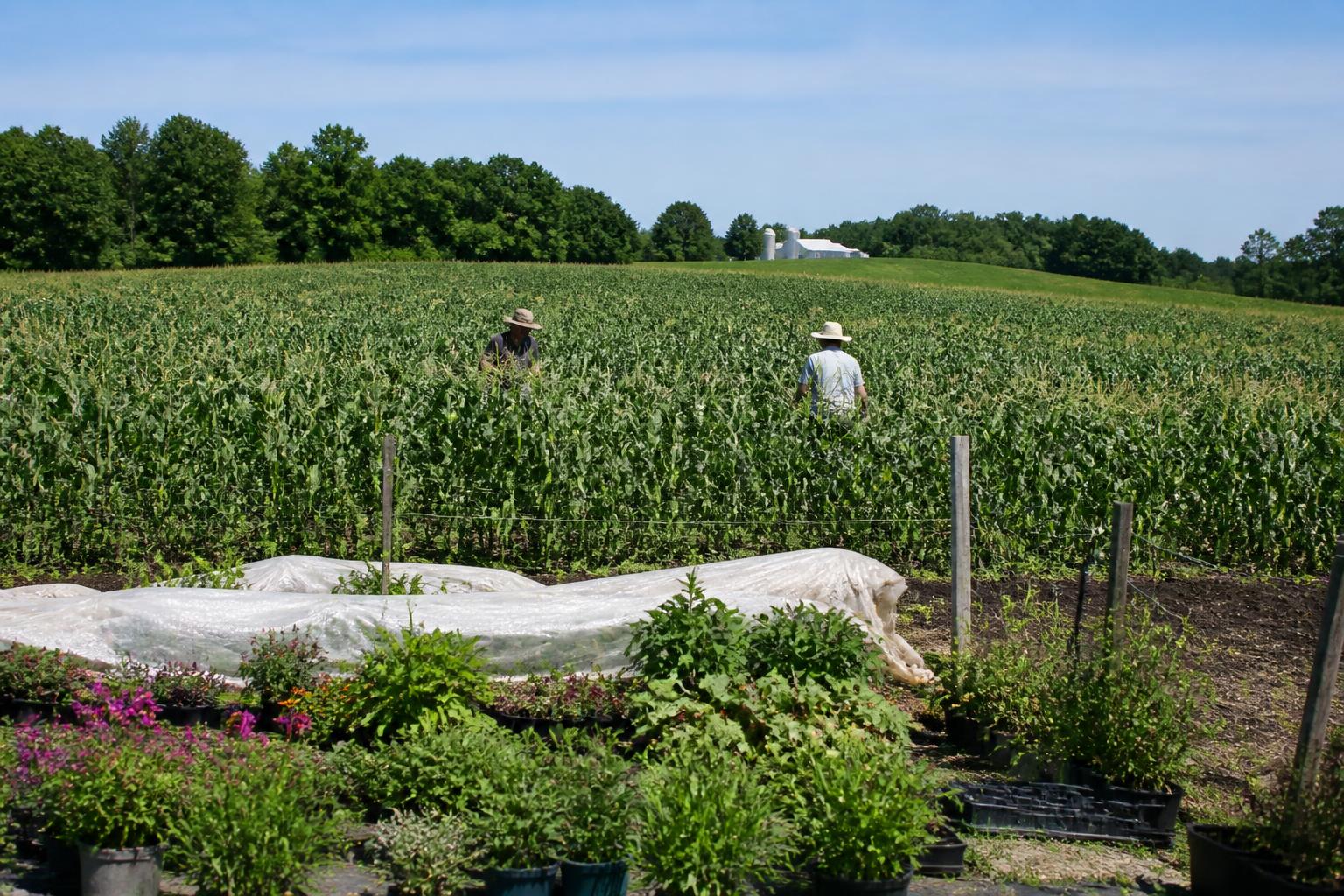
Rhode Island's agricultural sector may be small in acreage, but it is highly strategic and diverse. As the state moves through the peak of the summer season in June, local grain and corn growers are finding themselves at a critical intersection of crop maintenance, input cost management, and early preparations for the autumn agritourism rush. Balancing these demands requires careful planning, especially when navigating the unique logistics of the state's coastal and suburban corridors.
While corn in major agricultural states is destined primarily for feed and ethanol, in Rhode Island, grain fields often pull double duty. Local farms must manage their crops not only for yields but also as major local attractions, such as the state's popular fall corn mazes that draw thousands of visitors from across southern New England. This dual-purpose focus puts a premium on early-season crop health and precise field management during the warm summer months.
Balancing Agritourism Infrastructure and Crop Logistics
For Rhode Island farmers, preparing a corn field for both grain production and fall recreation starts long before the first stalk is cut. Growers must design and cultivate their fields with dual goals in mind. Navigating the summer heat requires careful monitoring of soil moisture and nutrient levels to ensure strong stalk development, which is essential for standing up to both coastal winds and heavy foot traffic later in the year.
Managing the transit of inputs and equipment during these busier months presents its own set of challenges. High seasonal tourism traffic across the state can complicate the movement of machinery between non-contiguous field parcels. Farmers are increasingly focused on navigating high-traffic agritourism corridors during peak seasons to keep operations running smoothly without disrupting local communities or tourist traffic.
Global Fertilizer Trends and Local Input Decisions
Even though Rhode Island's total grain acreage is modest, local operations are not insulated from global market dynamics. Supply chain disruptions and international conflicts, such as ongoing tensions in the Middle East, continue to exert pressure on global fertilizer markets. Because major potash-producing regions like Saskatchewan are heavily tied to global export logistics, any disruption can quickly translate to volatile input prices for local growers looking to secure late-season nutrients.
To mitigate these fluctuating costs, Rhode Island grain producers are focusing on precision application techniques. Optimizing nutrient efficiency helps protect profit margins while also addressing local environmental considerations in coastal watersheds. Successfully managing these inputs while maintaining compliance with regional agricultural transport and biosecurity regulations is key to a profitable harvest.
Infrastructure Investments Support Rural Vitality
On a broader scale, federal support continues to play a role in stabilizing rural business environments. The USDA's recent investment of 201 million dollars in rural water infrastructure highlights an ongoing national effort to modernize the vital systems that agricultural communities rely on. For smaller states like Rhode Island, where farmland is closely integrated with residential and municipal areas, modern and reliable water infrastructure supports both local farming resilience and broader economic stability.
What it means for the market
For Rhode Island's grain and specialty crop sector, success this season hinges on operational efficiency and early preparation. High input costs demand strict nutrient management, while the state's vibrant agritourism economy provides a valuable hedge against volatile commodity grain prices. Producers who can successfully manage their summer logistics while preparing their fields for fall visitors will be best positioned to maximize their returns as the season transitions.
Comments
No comments yet — be the first to share your take.