
As summer settles across Minnesota, agricultural producers are balancing field operations with critical business decisions. Corn and soybean fields are progressing, but the operational landscape remains complex. While growers monitor crop development, they are also navigating fluctuating input costs, shifts in the farmland market, and evolving crop insurance opportunities to protect their margins before the autumn harvest.
From the Red River Valley down to the southern counties, farmers are looking at innovative management practices to control expenses. With global logistics issues pressuring fertilizer prices, efficiency has become the primary goal for this season's crop management and long-term asset planning.
Farmland Values Remain Stable Amid Localized Shifts
The Minnesota farmland market is showing resilience as the summer progresses. Recent transactional data indicates that overall land values remain stable across the state, even as the volume of sales begins to pick up. However, local real estate experts note that the strength of the market continues to vary by region, depending heavily on local soil productivity, drainage infrastructure, and buyer competition.
This stability in land values makes long-term estate planning particularly critical for multi-generational family farms. With high asset values, estate tax planning strategies are essential for Minnesota farmers seeking to pass operations to the next generation without triggering disruptive tax liabilities. Consulting with local financial advisors during these quieter mid-summer weeks can prevent significant hurdles down the road.
Nutrient Management and Soil Innovation
Managing soil fertility remains a top priority as input costs fluctuate. Minnesota growers are paying close attention to soil health and application timing. For instance, alfalfa growers are currently evaluating whether to skip traditional fall potassium (K) applications, weighing the immediate cost savings against potential long-term yield impacts. Additionally, handling high-pH soils in certain parts of the state requires targeted management strategies to ensure optimal nutrient uptake.
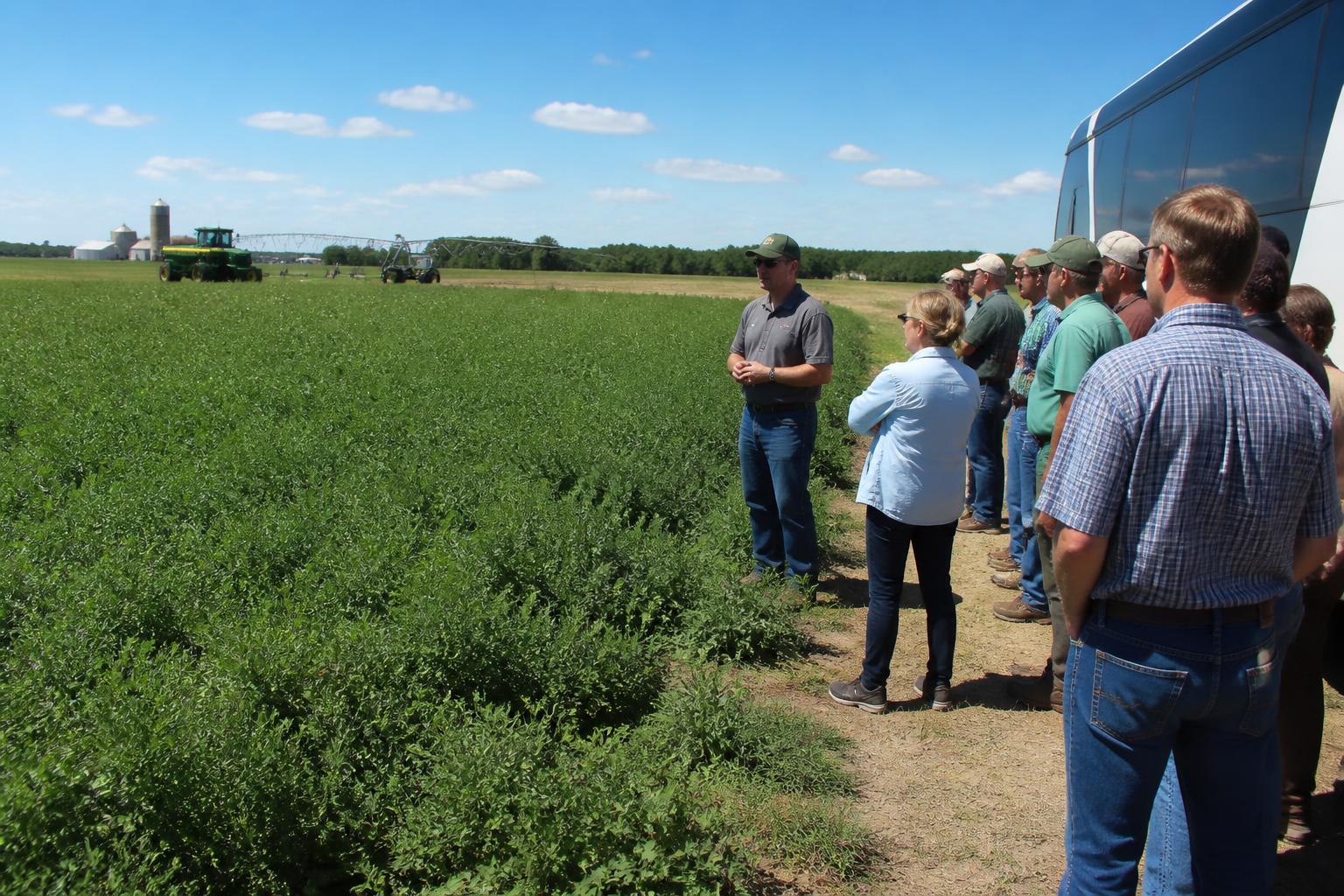
Interest in conservation tillage is also rising. A regional bus tour in Southeast Minnesota is highlighting low-cost access to national strip-till research and field trials, giving farmers a firsthand look at how reduced tillage can conserve moisture, improve soil structure, and cut fuel costs. Implementing these innovations helps producers adapt to tighter margins.
Leveraging Insurance and Navigating Input Volatility
With global supply chains squeezed by ongoing international conflicts, fertilizer costs continue to loom large over crop margins. To counter these volatile market dynamics, producers are exploring enhanced risk management tools. Recent policy shifts under the OBBBA have boosted crop insurance subsidies to 80% for both the Enhanced Coverage Option (ECO) and the Supplemental Coverage Option (SCO), providing a stronger financial safety net for growers facing yield or revenue shortfalls.
Integrating these risk management options with proactive crop management strategies for the summer season allows farmers to protect their bottom line against unpredictable market dips and regional weather anomalies.
Key Takeaways for Minnesota Producers
- Evaluate Land Portfolios: With stable land values and rising sales activity, monitor regional auction results to assess your farm's equity accurately.
- Optimize Nutrient Plans: Analyze soil tests for high-pH areas and consult local agronomists on the necessity of late-season potassium applications.
- Maximize Insurance Coverage: Take advantage of the increased 80% subsidies for ECO and SCO to secure higher coverage levels.
What it means for the market
The Minnesota agricultural market is in a period of calculated adaptation. While commodity prices and input costs present ongoing challenges, stable land values provide a solid foundation of equity for established operators. By focusing on precision soil management, attending local field trials, and optimizing crop insurance subsidies, Minnesota producers are positioning themselves to withstand broader market volatility and secure a profitable transition into the fall harvest season.
Comments
No comments yet - be the first to share your take.