
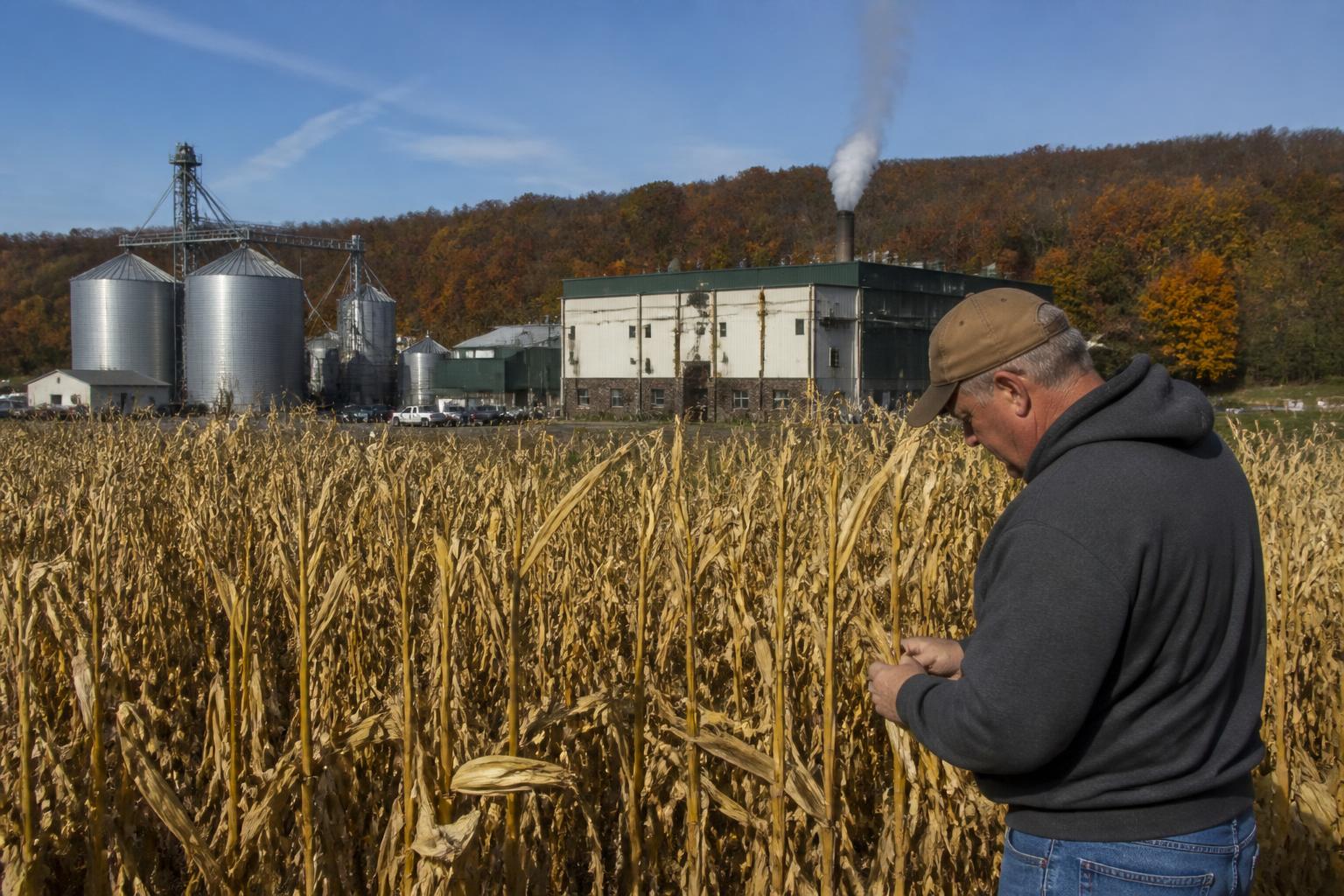
As harvest activity begins to pick up across Nebraska, producers are balancing the immediate demands of the field with a cautious eye on long-term economic stability. The current environment remains challenging, as weak farm income continues to exert pressure on the state's broader agricultural economy. For many growers, managing input costs and securing reliable supplies are critical tasks as they look ahead to the next production cycle.
Fertilizer accessibility remains a focal point for the industry. Recent discussions in legislative settings have highlighted supply concerns regarding key infrastructure projects, such as those in Gothenburg, which underscore the importance of maintaining robust, local supply chains. As producers evaluate their fertilizer strategies to balance rising costs and market fluctuations, the reliability of these regional hubs becomes increasingly vital to mitigating operational risks.
Navigating Market and Policy Pressures
Beyond inputs, the regulatory and political landscape remains a top priority for Nebraska farmers. Leadership groups are currently advocating for comprehensive action on the upcoming Farm Bill, alongside necessary attention to tax code reauthorization and labor availability. These policy elements are seen as essential to creating a more predictable environment for operations, especially as producers manage harvest-time logistics and infrastructure constraints that can impact bottom-line profitability.
Additionally, the integration of new technology continues to offer potential avenues for efficiency. Events like Husker Harvest Days have showcased emerging ag-tech innovations, which may provide future solutions for farm management. Whether through precision agriculture or advancements in research, there is a clear push for farmers to gain more independence and productivity, a goal supported by initiatives like Agrability that help ensure Nebraska's producers can sustain their operations despite physical or economic hurdles.
What it means for the market
With thin margins expected for the foreseeable future, Nebraska producers are leaning into conservative financial management and strategic input sourcing. The focus for the remainder of the fall will be on optimizing yield outcomes while monitoring grain market infrastructure to ensure that logistics do not further erode the value of the current crop. As we move through the harvest season, prioritizing liquidity and reliable supply partnerships will be key for navigating a market that remains sensitive to both domestic policy shifts and broader economic cooling.
Comments
No comments yet - be the first to share your take.