
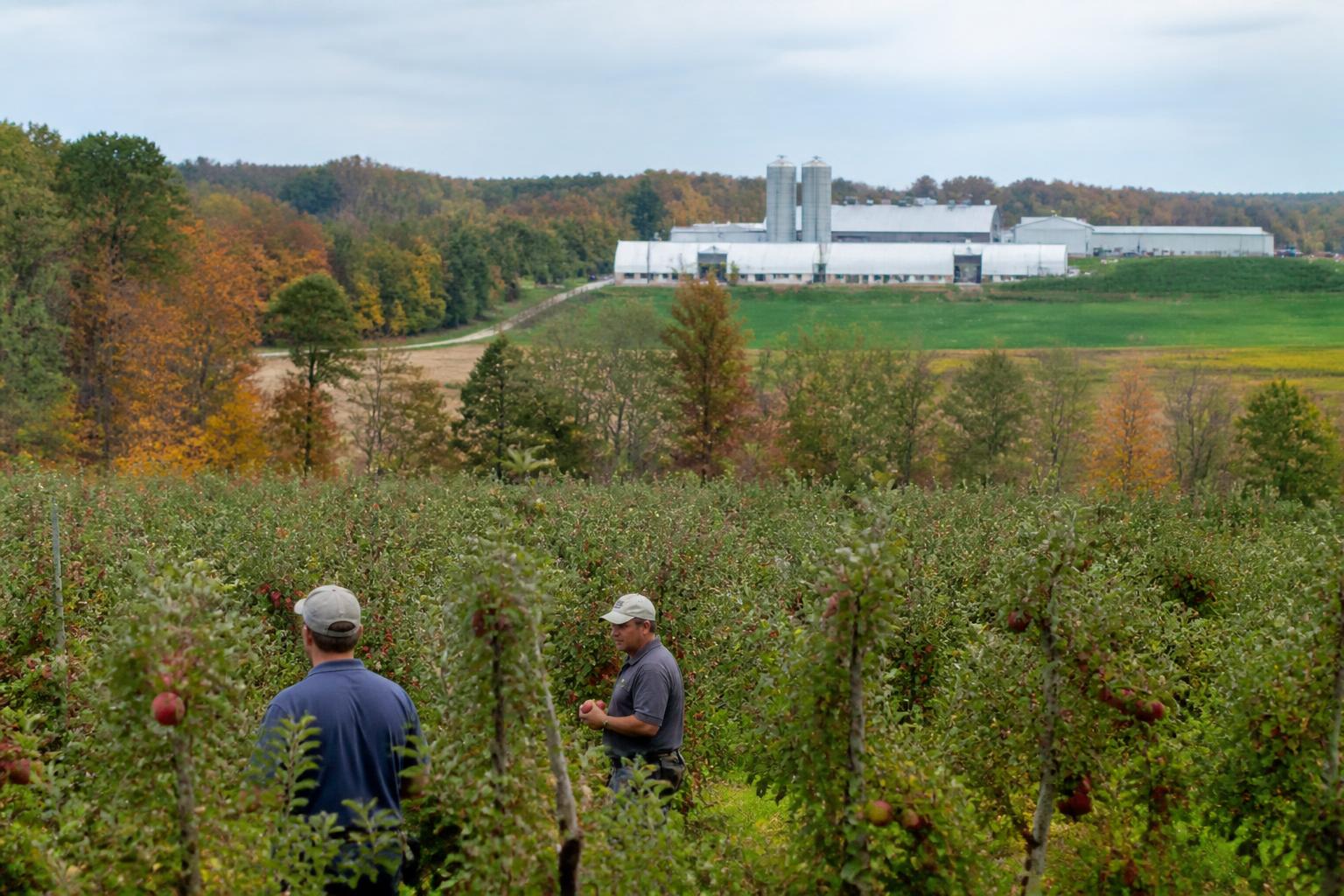
As Georgia farmers move through the peak of the fall harvest, the regional agribusiness landscape is experiencing notable shifts in supply chain infrastructure. Recent investments into local production facilities, such as the entry of Alabama-based manufacturers into the Georgia market, point to a growing effort to streamline input availability for state producers. These developments are timely as growers continue to balance rising operational costs with the need for reliable, locally sourced inputs.
Infrastructure and Regional Resilience
Beyond new production sites, regional focus remains on bolstering the logistics chain that supports Georgia's diverse output. Whether managing the movement of specialty crops or securing essential fertilizers, the efficiency of transportation corridors from the southern plains to the northern regions remains a primary concern. Meanwhile, producers are increasingly adopting advanced field management models, which have become faster and more precise, helping to mitigate the impacts of unpredictable seasonal weather patterns that have fluctuated between drought and heavy rainfall in recent cycles.
Policy Advocacy and Federal Support
The legislative climate remains active, with farmers gathering at the state capitol to advocate for sustained support. Much of this tension stems from a need for clarity regarding federal relief programs for specialty crop growers. As the industry faces ongoing challenges from pest threats and environmental variables, there is a clear push for more transparent federal safety nets that provide predictable security during volatile market seasons.
What it means for the market
For grain handlers and input suppliers, the expansion of local production capacity suggests a potential softening of some regional logistics bottlenecks, though transport costs may remain sensitive to seasonal demand spikes. Producers should prioritize early booking for next season’s inputs to leverage these shifting supply lines, while staying closely aligned with state-level advocacy groups to better understand the availability of federal risk management tools as we move into the end of the calendar year.
Comments
No comments yet - be the first to share your take.