
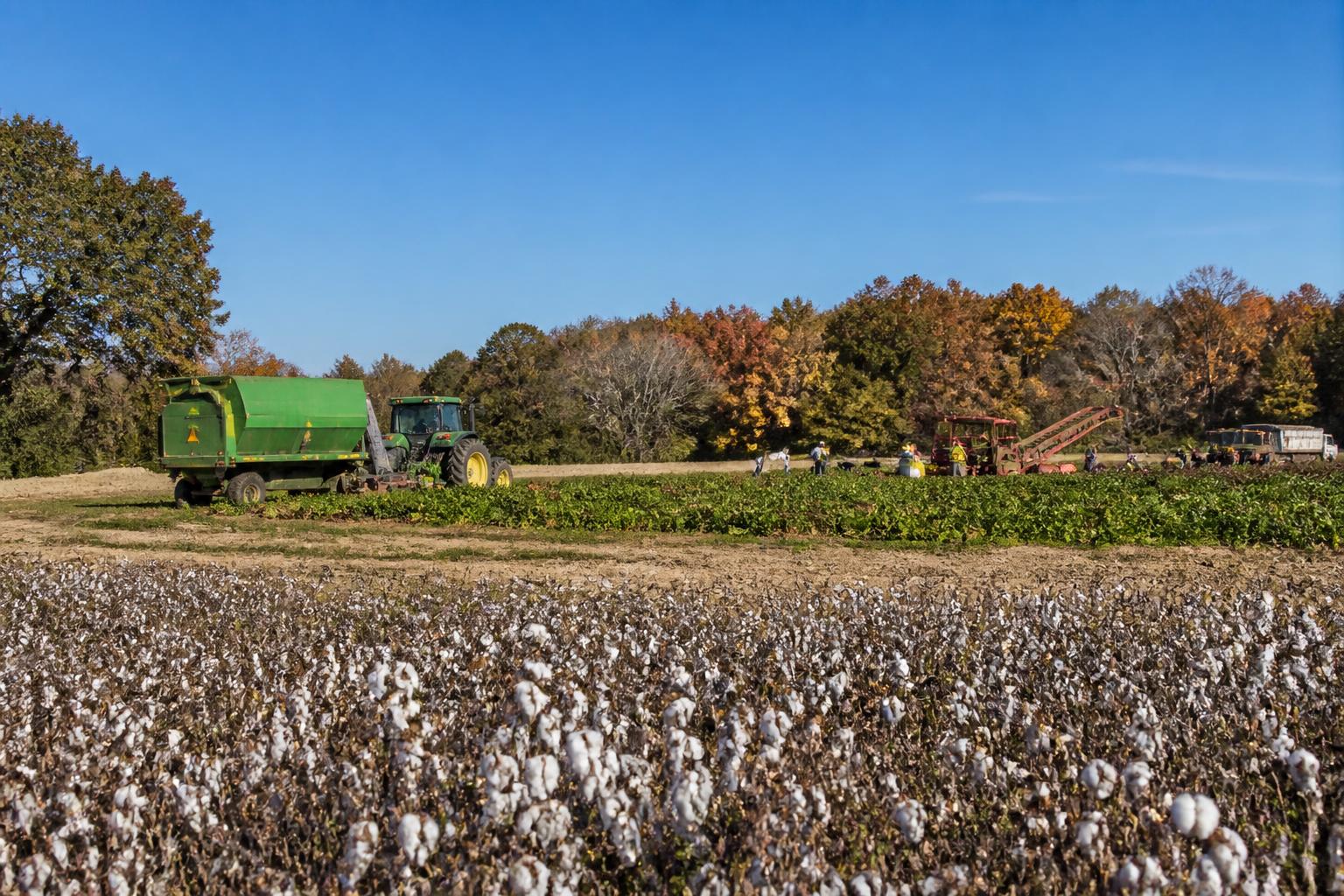
As we move deeper into October, Georgia producers are contending with the classic rhythm of the fall season. For many across the state, this period serves as a critical window where harvest activities overlap with the essential groundwork for upcoming rotations. Navigating these transitions effectively is key to maintaining operational momentum during a time when soil conditions and weather patterns can shift rapidly.
Effective resource allocation remains a top priority, whether you are finalizing harvest tasks or preparing fields for the next cycle. Balancing the demands of logistics with field-side input management can often determine the efficiency of your end-of-year operations. For insights into managing your infrastructure during peak activity, see Georgia agricultural logistics updates for navigating recent supply chain shifts.
Optimizing Field Operations
The fall landscape requires careful attention to both equipment maintenance and field logistics. In regions like Central Georgia, growers are often assessing crop performance while staying mindful of broader market pressures. Maintaining a streamlined approach to your supply chain helps mitigate the impact of external variables, such as fluctuating input costs or regional infrastructure bottlenecks. Producers looking to refine their strategy can review our recent analysis on navigating input cost pressures to better align your purchasing cycles.
Preparing for Season Transitions
With the current season progressing, the focus shifts toward securing necessary materials for the next planting window. Ensuring that you have reliable access to fertilizers and pest management solutions early can prevent downstream delays. For those involved in specialty crops or greenhouse expansion, it is particularly important to monitor how regional trade adjustments may impact your bottom line. As discussed in our review of infrastructure growth, regional connectivity is a fundamental component of success for Georgia agribusinesses as they prepare for the winter period.
What it means for the market
For Georgia farmers and agribusinesses, the current fall market emphasizes resilience. By staying proactive with your logistics and remaining informed on local infrastructure shifts, you can better position your operation to handle the variable conditions that come with late-season field work. Monitoring regional developments remains essential for those looking to maintain profitability through the end of the calendar year.
Comments
No comments yet - be the first to share your take.