
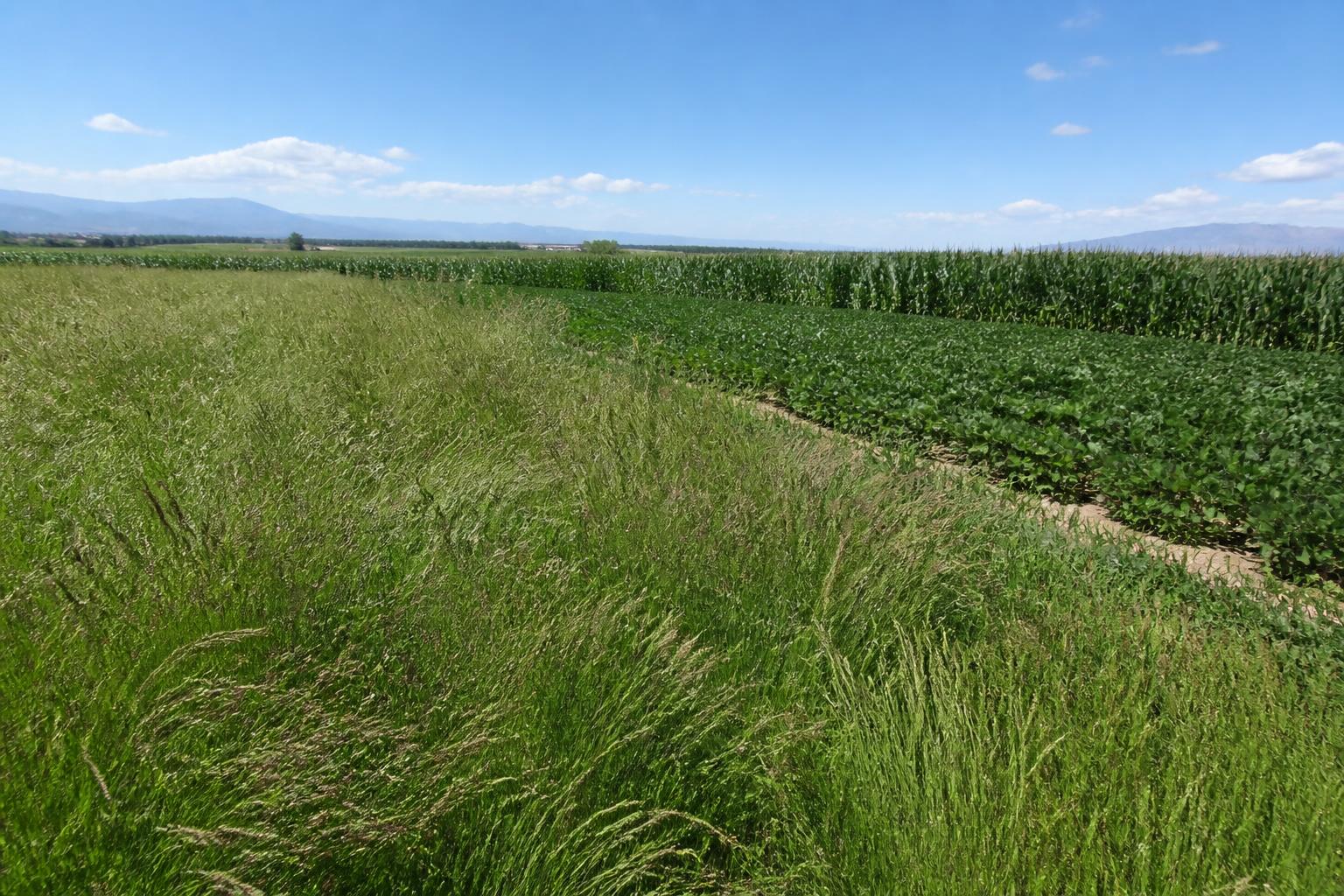
As summer temperatures rise across the Great Basin, Nevada's agricultural sector is facing the familiar double-edged sword of intense heat and limited water supplies. Forage and grain producers throughout the state are actively adapting to these dry conditions by shifting management practices and exploring alternative crops that thrive in high-desert climates.
With water conservation at the forefront of long-term planning, local operations are increasingly looking beyond standard regional commodities. From specialized grains like teff to advanced local soil input projects, the Silver State is carving out a highly specialized niche in the broader Western agricultural economy.
Drought Resilience and the Rise of Alternative Grains
According to researchers at the University of Nevada, Reno, Western forage producers are facing severe headwinds due to persistent heat and drought. These water challenges have prompted a growing interest in low-water-use alternative crops. A prime example is the commercial success of teff, a gluten-free ancient grain native to East Africa that has found a second home in the Nevada desert. Local operations like Desert Oasis Teff and Grain are showcasing how this crop can thrive with significantly less water than traditional forage crops like alfalfa, providing a sustainable cash crop for local growers.
This transition toward specialized, low-water crops is also reshaping regional supply chains. Growers are increasingly focusing on processing their harvests locally to capture premium prices, rather than shipping raw commodities out of state. Farmers interested in how these processing shifts are affecting regional trade can read more about how local value-add and border logistics shape the summer outlook.
Securing Local Fertilizer Inputs
As Nevada growers look to optimize crop yields under stressful climate conditions, securing reliable and cost-effective soil amendments has become a top priority. Recent developments in the state point toward a future with more localized input supply chains. For instance, Nevada Organic Phosphate recently announced the closure of the public comment period for the Murdock Mountain Environmental Assessment, moving closer to developing a domestic source of organic phosphate in Elko County.
At the same time, regional companies like Itronics Inc. are updating their business models to align with national security priorities regarding critical minerals and fertilizer production. These localized efforts to secure essential nutrients are critical for growers aiming to maintain soil productivity without relying on volatile international supply lines. Navigating the physical delivery of these inputs is equally important, particularly during peak summer hauling seasons. Producers can find detailed strategies on this by exploring navigating summer borders and input trends to better manage their logistics.
Premium Markets: Farm-to-Table Logistics
Beyond animal feed and consumer grains, Nevada growers are tapping into the premium beverage market. The rising popularity of farm-to-table spirits has motivated craft distillers to source high-quality, locally grown grains. This hyper-local model provides grain growers with a reliable, high-margin contract market that is less susceptible to global commodity price swings. By aligning field production with regional craft distilleries and specialty food processors, Nevada's agricultural sector is proving that resource scarcity can be mitigated through high-value marketing and robust local partnerships.
What it means for the market
For Nevada agribusinesses, the combination of high-desert summer heat and limited water allocations means that business-as-usual is no longer a viable strategy. Future profitability relies heavily on adopting drought-tolerant specialty crops like teff and securing regional fertilizer sources. By focusing on localized input manufacturing and high-value local contracts, Nevada's grain and forage sector can successfully insulate itself from broader Western water supply volatility.
Comments
No comments yet — be the first to share your take.