
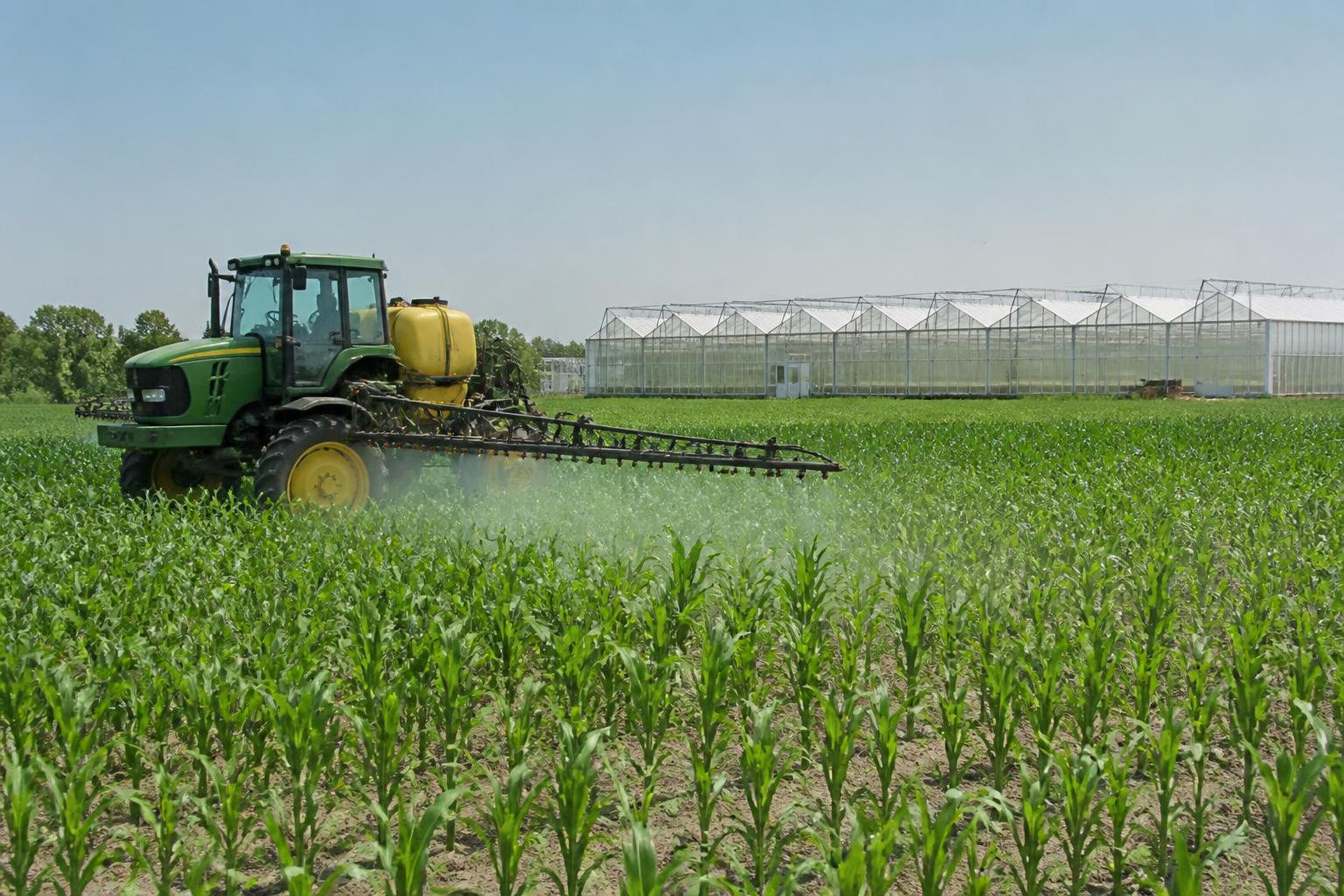
As summer settles over the Midwest, Indiana grain producers are navigating a complex mix of agronomic pressures, regulatory updates, and shifting input strategies. With crop development accelerating across major growing regions, Hoosier farmers are keeping a close watch on both the fields and the policy landscape to protect their margins in a challenging market environment.
From the transit corridors of Interstate - 65 to the fertile soils of northern and central counties, managing summer disease risks and optimizing fertilizer applications are dominating local conversations. Early proactive management has become essential as growers evaluate their crop protection programs and structural options for the coming months.
Early Tar Spot Alerts and Innovative Crop Management
Disease pressure has taken center stage early this season, with the first 2026 cases of tar spot already confirmed in three Indiana counties. This early appearance of the fungal pathogen highlights the need for vigilant scouting, especially in areas with a history of high moisture and heavy crop residue. To combat these recurring pressures, many operations are reviewing their fungicide schedules and looking toward regional resources to fine-tune application timings.
In addition to traditional chemical controls, researchers in Indiana are actively studying the success of short-stature corn. This innovative breeding approach could offer farmers a more resilient plant structure, potentially reducing the risk of green snap and lodging while making high-clearance seasonal spraying more manageable. For growers looking to couple these agronomic developments with structural improvements, updating on-farm infrastructure remains a key priority, as highlighted in current reviews of Indiana crop protection and summer rootworm strategies.
Managing Fertilizer Costs and Regulatory Shifts
Faced with tight margins, Indiana corn and soybean growers are adopting highly calculated nutrient programs. Industry experts have highlighted two main options for fertilizer strategy in a tough year: either scaling back to crop-removal rates to preserve immediate cash flow, or maintaining targeted feeding to maximize yield potential where soil test levels are low. Local supply dynamics may see some relief in the future, as the regional Indiana fertilizer plant project continues to make progress toward domestic nitrogen production.
Weighing input choices also means navigating complex compliance guidelines. Herbicide applications require strict adherence to evolving label requirements, which dictate exactly what can be sprayed and where to prevent drift and off-target movement. These shifting operational boundaries are explored further in the context of evolving Indiana summer crop protection regulations, which demand constant attention from local custom applicators and self-spraying farmers alike.
Legislative Victories and Agribusiness Innovation
On the policy front, Indiana agriculture recently secured a major victory with a favorable ruling on the state's Right to Farm law. This legal milestone provides essential security for livestock and grain operations against nuisance suits, helping to protect long-term investments in the state's farmland. Furthermore, the Indiana Farm Bureau continues to advocate for legislative goals that support rural infrastructure and property rights, keeping local interests at the forefront of state-level policy discussions.
Innovation also continues to drive the state's agricultural economy forward. AgriNovus, a key player in Indiana's agbioscience sector, recently tapped a former Purdue University director to lead its innovation initiatives, aiming to accelerate the commercialization of new farm technologies. This focus on modernization is vital as Indiana's growing corn and soybean market draws global attention, reinforcing the state's status as a top-tier agricultural logistics and production hub.
Key Takeaways for Indiana Growers
- Scout Early: With tar spot confirmed in three counties, early detection is critical to protect yield potential before canopy closure.
- Refine Nutrient Plans: Choose between a conservative crop-removal strategy or targeted applications based on precise soil testing to manage tight summer budgets.
- Stay Compliant: Monitor local and federal herbicide application windows to ensure drift-reduction protocols are fully met.
What it means for the market
For the Indiana grain market, the combination of early disease alerts and tight input budgets means that management efficiency will likely dictate profitability this season. While global buyers keep a close eye on Midwest crop conditions, local cash markets will continue to react to regional supply expectations and the physical movement of grain through key logistics corridors. Hoosier growers who successfully balance defensive crop protection with disciplined input spending will be best positioned to weather the summer market volatility.
Comments
No comments yet — be the first to share your take.