
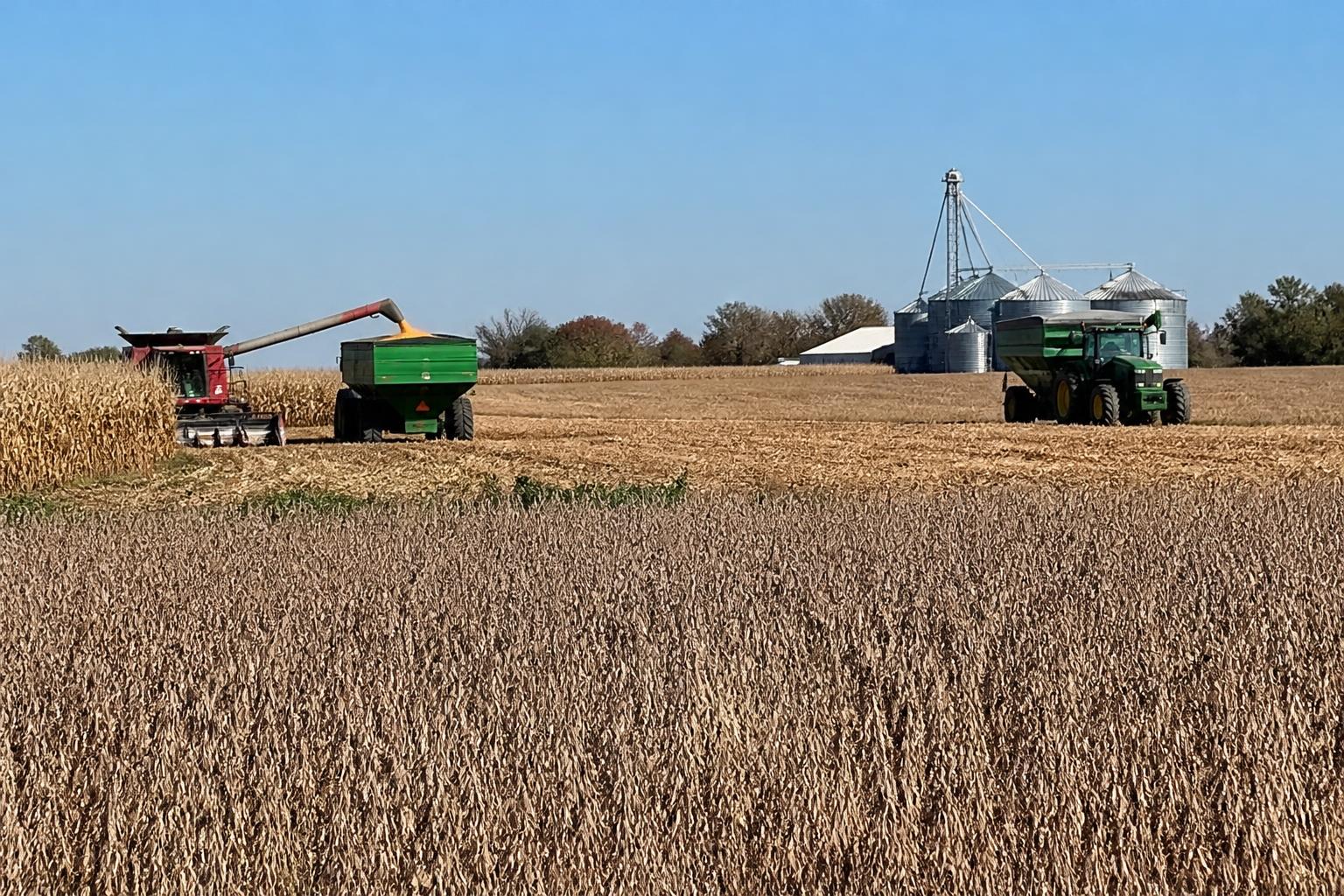
With the peak of the fall harvest underway across Illinois, farmers are balancing the intensity of field work with shifting logistics requirements. The recent implementation of the state-wide B20 mandate for biodiesel represents a notable change in the supply chain, requiring operators to ensure their storage and equipment are prepared for higher blend levels during the colder months.
For those managing grain movement, maintaining consistent fuel quality is critical as traffic patterns intensify on regional corridors. Ensuring that on-farm tanks and mobile equipment are compatible with the B20 standard is a top priority for agribusinesses, particularly as infrastructure bottlenecks during the harvest season remain a recurring challenge in key production counties. This transition may require a closer look at fuel inventory management and the seasonal performance of high-blend fuels in aging machinery.
Adapting to Higher-Blend Biodiesel
The move to B20, which consists of 20 percent biodiesel mixed with 80 percent petroleum diesel, is aimed at bolstering the state's soybean industry. For producers, this means that most diesel pumps across the state are now dispensing this higher blend. While the change supports a key local market, it also emphasizes the need for regular maintenance of fuel systems to prevent issues related to cold-flow properties as temperatures drop later this fall.
Practically speaking, operators should confirm with their local fuel suppliers that their current delivery agreements align with these standards. Staying ahead of potential supply shifts or price adjustments associated with the B20 rollout can help mitigate disruptions during the final stretch of the season.
What it means for the market
The adoption of the B20 mandate is more than just a regulatory shift; it serves as a litmus test for regional supply chain resilience. As Illinois producers navigate these changes, those who proactively evaluate their fuel storage turnover and engine compatibility will likely experience fewer operational delays. Maintaining high-quality fuel flow is vital to keeping harvesters and transport fleets active during these critical weeks, ensuring that grain continues to move efficiently from the field to local elevators.
Comments
No comments yet - be the first to share your take.