
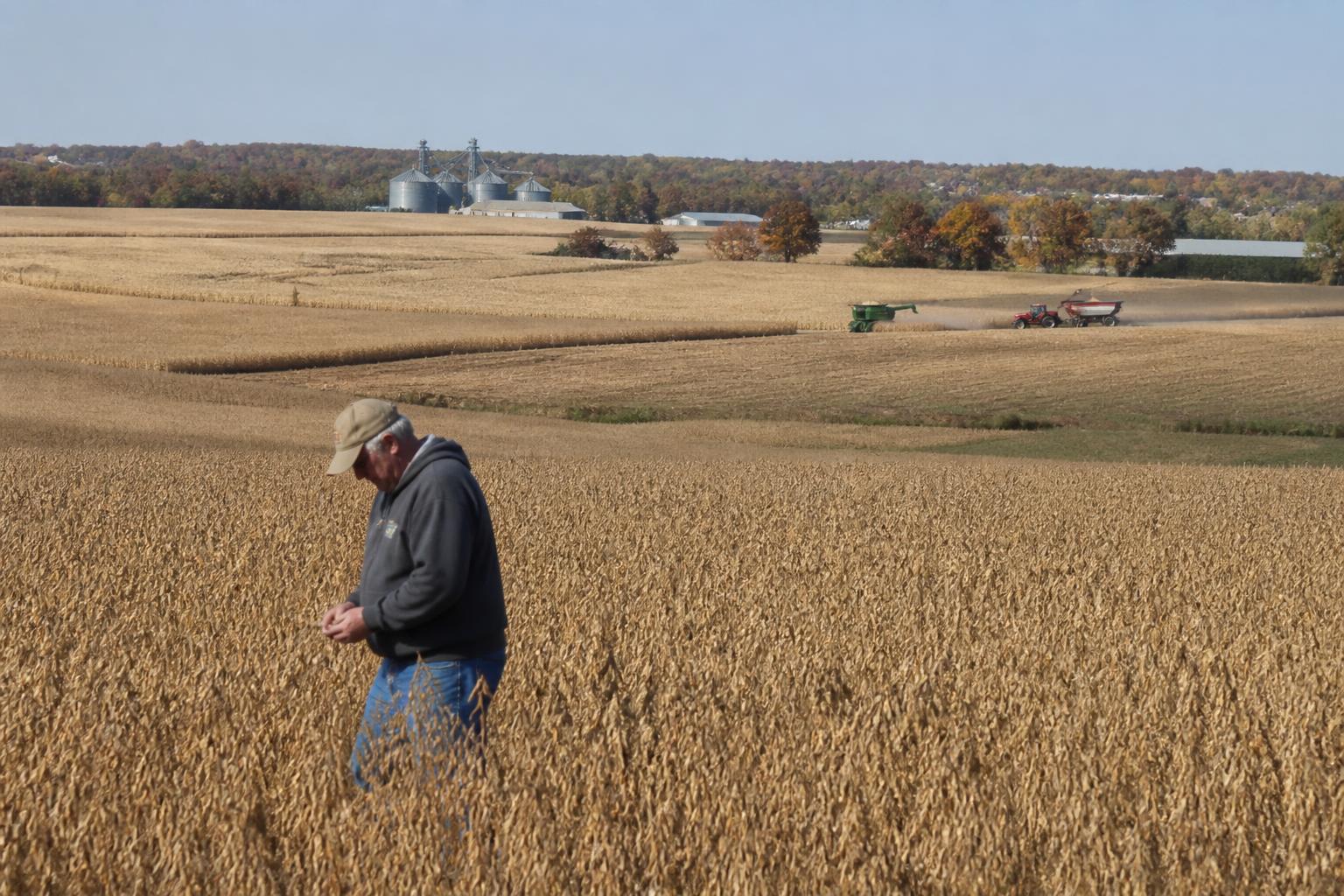
As Illinois fields move into full swing during this late September harvest, many producers are dealing with the dual reality of crop maturity and the persistent logistical hurdles posed by recent weather patterns. Higher-than-average rainfall in various parts of the state has led to intermittent delays in field work, forcing farmers to balance soil moisture conditions with the urgency of getting grain out of the ground.
For those managing the flow of bushels from the combine to the bin, the need for efficient grain handling has never been more apparent. Improving local market access through reliable storage and transport channels remains a primary strategy for those looking to mitigate the impact of seasonal bottlenecks.
Infrastructure Resilience and Expansion
Investment in localized infrastructure continues to provide relief for regional supply chain constraints. Recent efforts to expand facilities, such as the addition of shuttle loaders at key grain elevators, are designed to streamline the transition from on-farm storage to rail or river transit. By enhancing throughput capacity at these regional hubs, cooperatives and private handlers are helping to clear the way for a smoother harvest period, even when weather windows are narrow.
Tactical Logistics and Storage Decisions
With the current season presenting a mix of moisture-related challenges, logistics remain the backbone of a successful harvest. Growers often find that pre-planning transit routes and communicating early with local elevator managers can prevent the typical backups that occur during peak delivery hours. Maintaining flexibility in grain marketing strategies, whether through on-farm storage or immediate delivery, can help producers navigate the seasonal price fluctuations typical of this time of year.
Key Takeaways
- Monitor moisture levels closely in low-lying areas where recent precipitation has lingered.
- Coordinate with local elevators regarding daily receiving capacity to avoid extended wait times.
- Utilize expanded shuttle-loader facilities where available to expedite grain movement.
- Review post-harvest marketing options to decide between storage and immediate sale based on regional storage availability.
What it means for the market: As the harvest progresses across Illinois, the ability to effectively move and store grain will likely be a primary driver of market responsiveness. While weather-induced delays can test infrastructure, ongoing investments in elevator capacity are providing a much-needed buffer for the regional supply chain. Farmers who prioritize efficient logisitical coordination will be better positioned to capitalize on the remainder of the season.
Comments
No comments yet - be the first to share your take.