
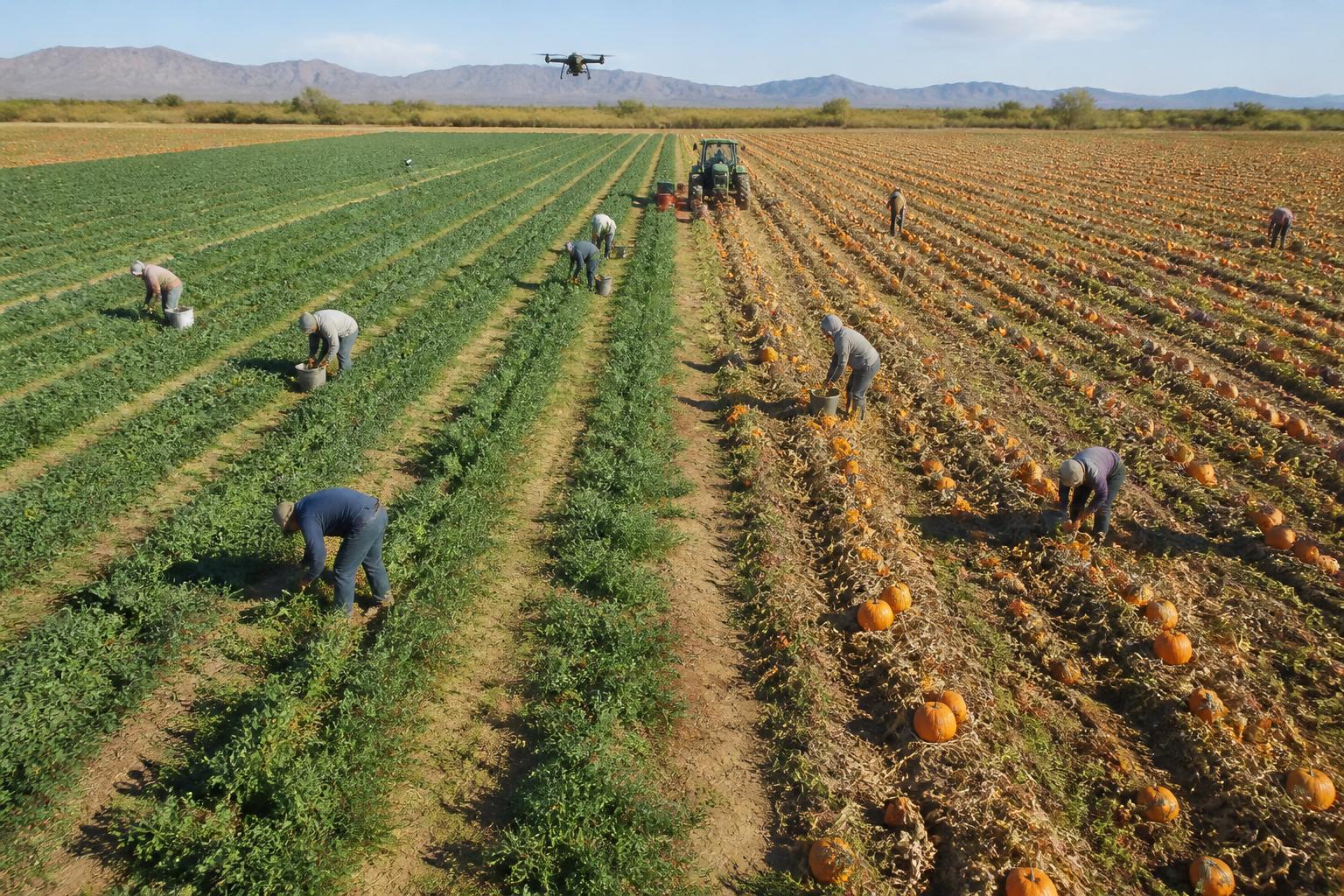
Optimizing Resource Management in the Desert
As the fall season hits its stride in Arizona, local producers are focusing on refining operational efficiencies. With water remains a critical component of agricultural viability in the Southwest, the shift toward precision irrigation continues to gain momentum. Many growers have reported that the implementation of drip irrigation systems is proving instrumental in increasing alfalfa yields, providing a more consistent water delivery method compared to traditional flood methods. This transition is not merely about conservation; it is becoming a core strategy for maintaining productivity amidst fluctuating environmental conditions.
Integrating Advanced Technology
Beyond water management, technology is playing an increasingly significant role in daily operations. Innovations such as autonomous drone systems for precision spraying and seeding are beginning to see testing phases, promising to streamline field maintenance and reduce labor intensity. This type of technological infusion is vital, as research and industry recognition at institutions like the University of Arizona highlight the importance of continuous investment in ag tech development to keep local farms competitive. Furthermore, the push for sustainable soil health practices, such as the use of targeted steam for weed control, offers growers additional pathways to reduce reliance on conventional chemical inputs.
Looking Ahead at Market Logistics
The operational landscape in Arizona is also shaped by larger, macro-level market movements. While local farmers focus on their immediate seasonal tasks, global events, including disruptions in major grain trade corridors, can exert upward pressure on commodity prices. For those involved in the supply chain, staying informed on these broad trends is essential for making timely decisions regarding storage and sales. As we head deeper into the fall months, the focus remains on balancing input costs with the need for high-quality, high-yield production across the state's diverse specialty crop and forage sectors.
What it means for the market
Producers should monitor local infrastructure shifts and leverage new technology to offset rising operational costs. By prioritizing water efficiency and exploring modern, automated tools for crop management, Arizona agribusinesses can better navigate seasonal challenges and respond to the broader, unpredictable volatility seen in international grain markets.
Comments
No comments yet - be the first to share your take.