
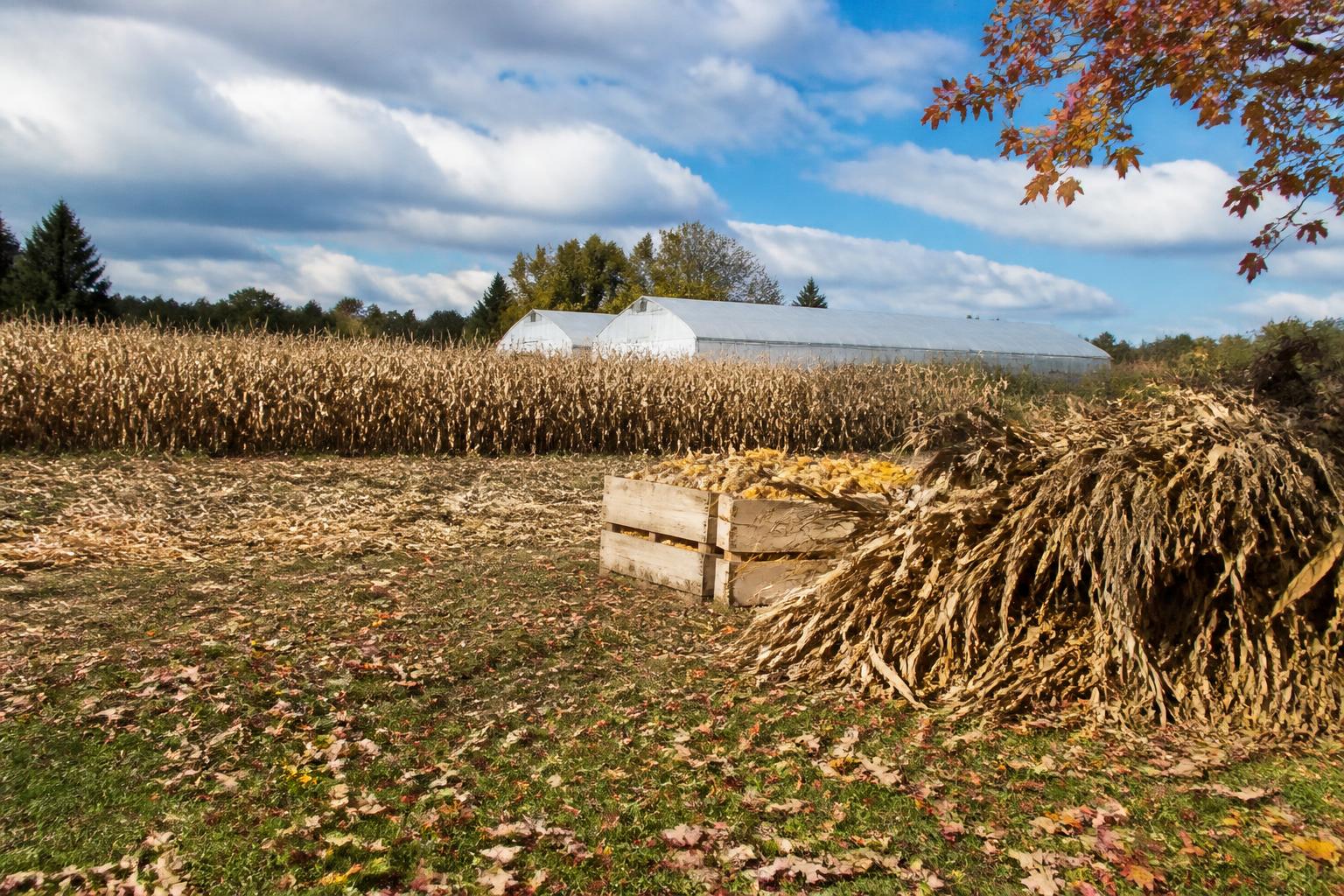
As the fall harvest progresses across Arizona, the state continues to solidify its role as a hub for agricultural innovation. Recent industrial shifts suggest a pivot toward high-tech infrastructure, with significant developments in regional research capabilities that may influence future planting and operational standards for local producers.
Large-scale investments, such as the opening of extensive corn breeding greenhouses, highlight a broader industry trend toward strengthening genetic research within the state. For local growers and agribusinesses, these advancements represent a commitment to boosting yields and stress tolerance, which are essential considerations given the state's unique environmental pressures. Meanwhile, the integration of operational shifts in the grain and forage markets continues to challenge logistics managers to maintain efficiency during peak seasonal windows.
Emerging Tech in the Field
Beyond traditional infrastructure, precision agriculture is becoming a focal point for Arizona operations. Autonomous drone-based systems for spraying and seeding are currently undergoing testing, signaling a potential shift in how labor-intensive tasks are managed across large acreages. While adoption is still in its early stages, such technologies could eventually alleviate some of the labor-related complexities that Arizona logistics providers and carriers face during demanding seasonal transitions.
What it means for the market
For farmers and handlers, the current environment is defined by a dual focus: managing the immediate demands of the fall harvest while keeping an eye on long-term capital investments. As research-heavy organizations expand their footprint in Arizona, the local supply chain may benefit from increased technical support and improved inputs. However, stakeholders should remain attentive to the broader economic trends impacting farmland and water accessibility, as these factors continue to shape the investment climate for the coming decade.
Comments
No comments yet - be the first to share your take.