
As global geopolitical conflicts reshape major grain commodity markets in summer 2026, New Hampshire grain growers and livestock operations are looking inward to secure their business viability. While Granite State producers do not operate on the scale of Midwestern grain belts, local feed grain production, silage, and specialty crops play a critical role in supporting regional dairy, livestock, and agritourism sectors.
Farming in New England requires a unique approach to survival and growth. Producers are increasingly focusing on localized supply chains, collaborative marketing efforts, and conservation-focused soil management to buffer themselves against international price shocks and input volatility.
Collaborative Marketing and Local Viability
With the high cost of equipment and land in New England, individual grain and feed producers often face steep uphill climbs. Recent research and new tools developed by the University of New Hampshire emphasize the value of collaborative marketing strategies grounded in actual farmer experience. By pooling resources, local grain handlers and growers can better coordinate storage, distribution, and sales to regional buyers.
This shift toward collaboration is essential as farms navigate the complexities of adapting to broader policy shifts and climate pressures. For local livestock operations that rely on consistent feed grain, strong regional marketing networks ensure that locally grown corn and forage remain accessible even when global supply chains are disrupted.
Nutrient Management and Resource Efficiency
Grain production in New Hampshire is closely tied to environmental stewardship. Nationwide concerns over agricultural runoff impacting downstream ecosystems have intensified the focus on nutrient management. Local growers are working to maximize fertilizer efficiency to protect local watersheds while keeping operating margins manageable.
Managing these environmental footprints means that grain operations must be precise with their applications. Producers are actively managing volatile fertilizer markets and rising input costs while aligning with updated soil standards. This careful balance is further complicated by the necessity of balancing summer weed control with soil health requirements, ensuring that summer crop protection strategies do not degrade long-term land productivity.
Diversified Revenue and Energy Challenges
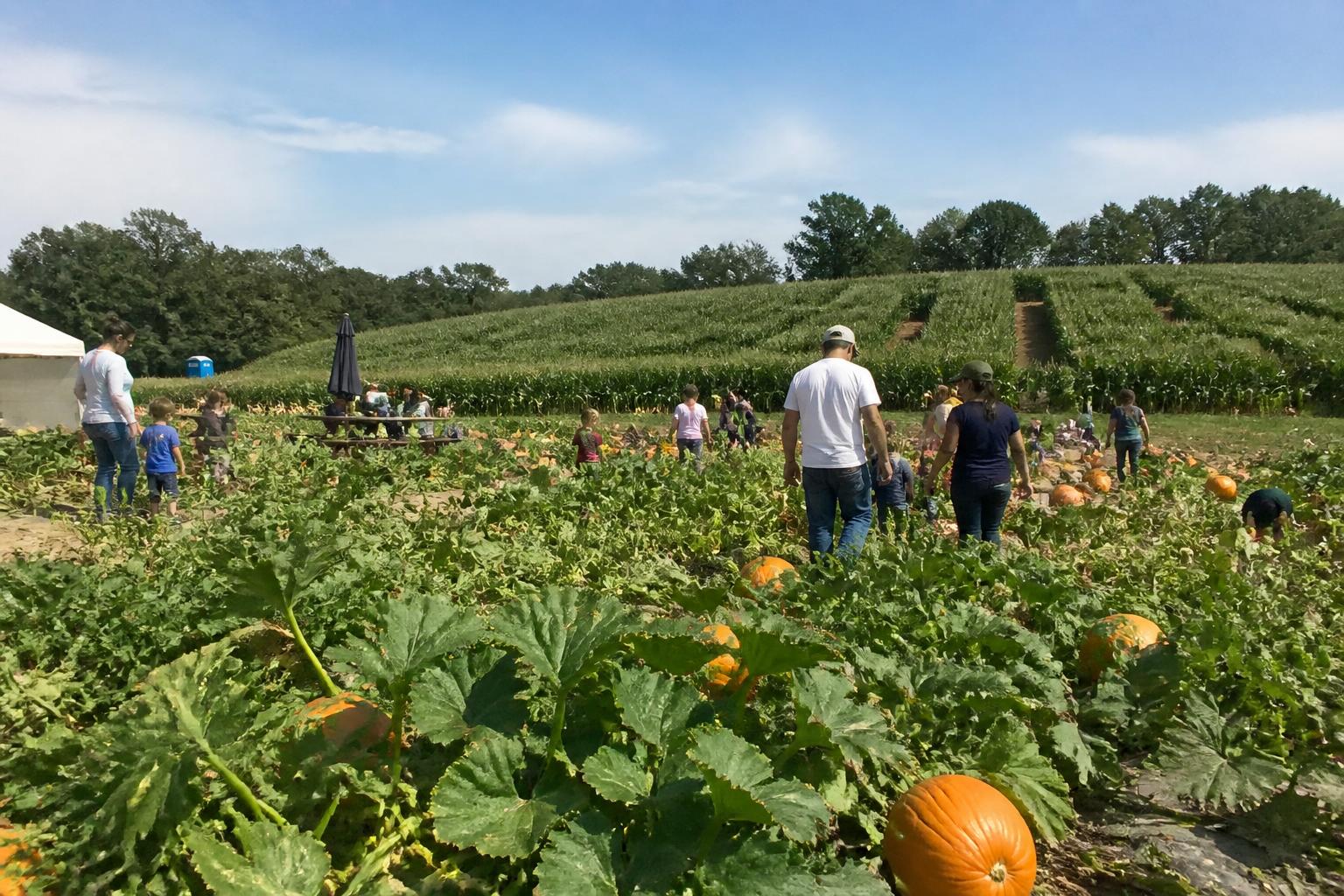
In many parts of New Hampshire, grain production does double duty. Field corn planted in the late spring serves as crucial livestock feed, but it also supports agritourism, such as the corn mazes and seasonal attractions that draw visitors to Seacoast-area farms later in the year. This diversification is highly effective for keeping multi-generational family farms viable.
However, running these diversified operations requires reliable and affordable energy. Local debates surrounding energy infrastructure and grid reliability are top of mind for agribusinesses this season. From powering grain-drying equipment to keeping localized processing facilities online, high energy costs remain a persistent challenge for the state's agricultural community.
Key Takeaways for Granite State Producers
- Emphasize Collaborative Sales: Utilize regional cooperative marketing tools to optimize distribution and reduce transportation costs.
- Focus on Nutrient Efficiency: Tailor fertilizer and crop protection programs to protect local water quality and comply with evolving conservation goals.
- Integrate Agritourism: Use summer crop planning to prepare for seasonal fall revenue streams like corn mazes and farm stands.
- Monitor Energy Inputs: Plan ahead for grain drying and processing energy needs to hedge against seasonal grid price spikes.
What it means for the market
The New Hampshire grain and feed market this summer reflects a broader transition toward highly localized, resilient agriculture. While external geopolitical forces drive up global feed and energy indexes, Granite State producers are mitigating risks by collaborating on marketing, refining nutrient application strategies, and leveraging diverse revenue streams. By building robust local feed channels, regional agriculture can maintain stability despite volatile global currents.
Comments
No comments yet — be the first to share your take.