
Summer in Texas brings intense heat and critical management decisions for growers from the High Plains down to the Coastal Bend. As producers navigate the challenges of high fuel costs and localized drought conditions, nutrient management remains a primary focal point for farm budgets. Adding to these operational pressures are federal regulatory shifts and an ongoing investigation into industry pricing structures that could reshape input procurement in the seasons ahead.
Federal Scrutiny on Fertilizer Pricing
In response to persistent complaints from agricultural organizations and local producers regarding the volatile cost of crop nutrients, the Federal Trade Commission (FTC) has launched an investigation into fertilizer pricing practices. Farmers across Texas have long struggled with high retail prices that do not always seem to align with underlying market fundamentals. While a federal probe offers the potential for long-term transparency, it provides little immediate relief for operators currently balancing their summer books.
The fertilizer sector in regions like the Texas High Plains has continued to grow despite safety and cost concerns. For many producers, managing these costs requires a deeper look at overall navigating input pressures and management choices to protect tight operating margins. High energy prices continue to compound the expense of manufacturing and distributing key synthetic nutrients, keeping retail prices elevated even as crop commodity values face downward pressure.
Freight and Logistics Constraints in Texas
Moving bulk materials across a state as vast as Texas presents unique logistical challenges. Recent developments in commercial transport, including a new Commercial Driver's License (CDL) rule, threaten to further tighten farm freight capacity. This regulatory change comes at a time when agribusinesses are working to secure carrier lanes for both summer crop movements and early fall fertilizer deliveries.
With major freight corridors like Interstate 10, Interstate 35, and routes servicing the Texas Gulf Coast already handling heavy commercial traffic, any reduction in available drivers could delay deliveries and drive up freight rates. These logistics bottlenecks are particularly critical as farmers coordinate their summer harvest logistics alongside the transport of soil amendments and crop protection products.
Strategic Soil Management and Precision Technology
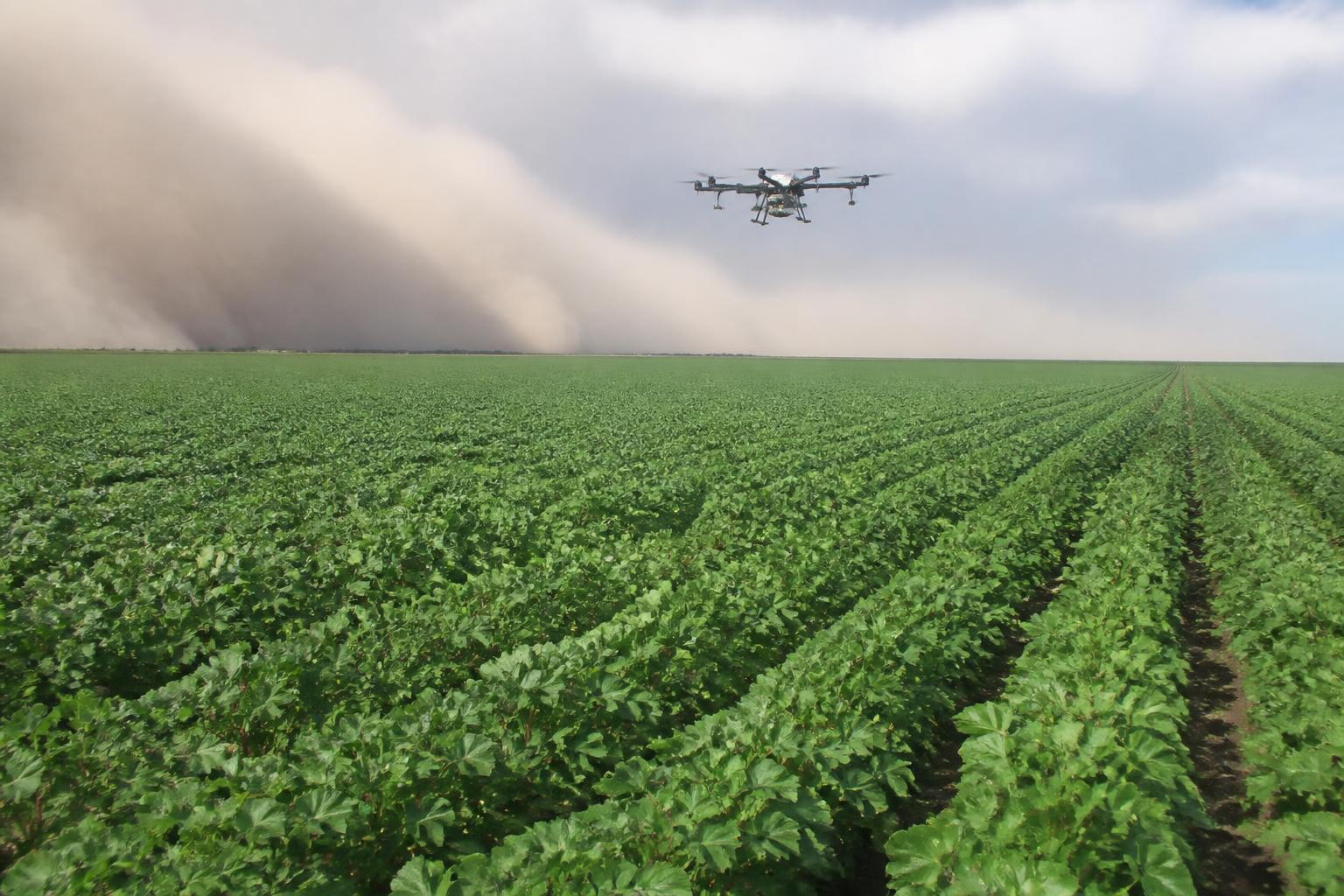
To mitigate high nutrient costs and volatile weather-ranging from El Paso dust storms in the west to dry, windy planting windows in South Texas-growers are increasingly adopting comprehensive soil health management systems. Rather than relying on traditional uniform applications, many are using data-driven tools to optimize their fertilizer use efficiency.
Advanced technologies, including satellite imagery and AI-driven yield forecasting, are helping Texas cotton and grain producers analyze soil variations in real-time. By applying nutrients precisely where and when they are needed, farmers can reduce waste, prevent runoff, and protect their bottom line. Adapting to these shifting environmental and financial realities is becoming a cornerstone of Texas grain market dynamics and broader cropping strategy.
Key Takeaways for Texas Producers
- Monitor federal updates: Keep an eye on the FTC pricing investigation, which could influence retail fertilizer values heading into the fall.
- Plan logistics early: Work with local cooperatives and suppliers to secure fertilizer shipments well ahead of application windows to avoid CDL-related transport delays.
- Leverage precision tools: Consider soil testing and variable-rate application technology to maximize nutrient efficiency and lower total input expenditures.
What it means for the market
The Texas fertilizer market remains caught between rigid production costs, transport regulations, and the need for farm-level efficiency. While the federal investigation into industry pricing may eventually bring more competitive pricing structures, local operators must rely on immediate, practical solutions. For the remainder of the summer, success will depend on securing transportation lanes early and utilizing precise soil health management strategies to ensure that every pound of fertilizer applied delivers a measurable return on investment.
Comments
No comments yet - be the first to share your take.